A Moment of Human Frailty: Exploring Raphael’s *The Hill of Calvary*
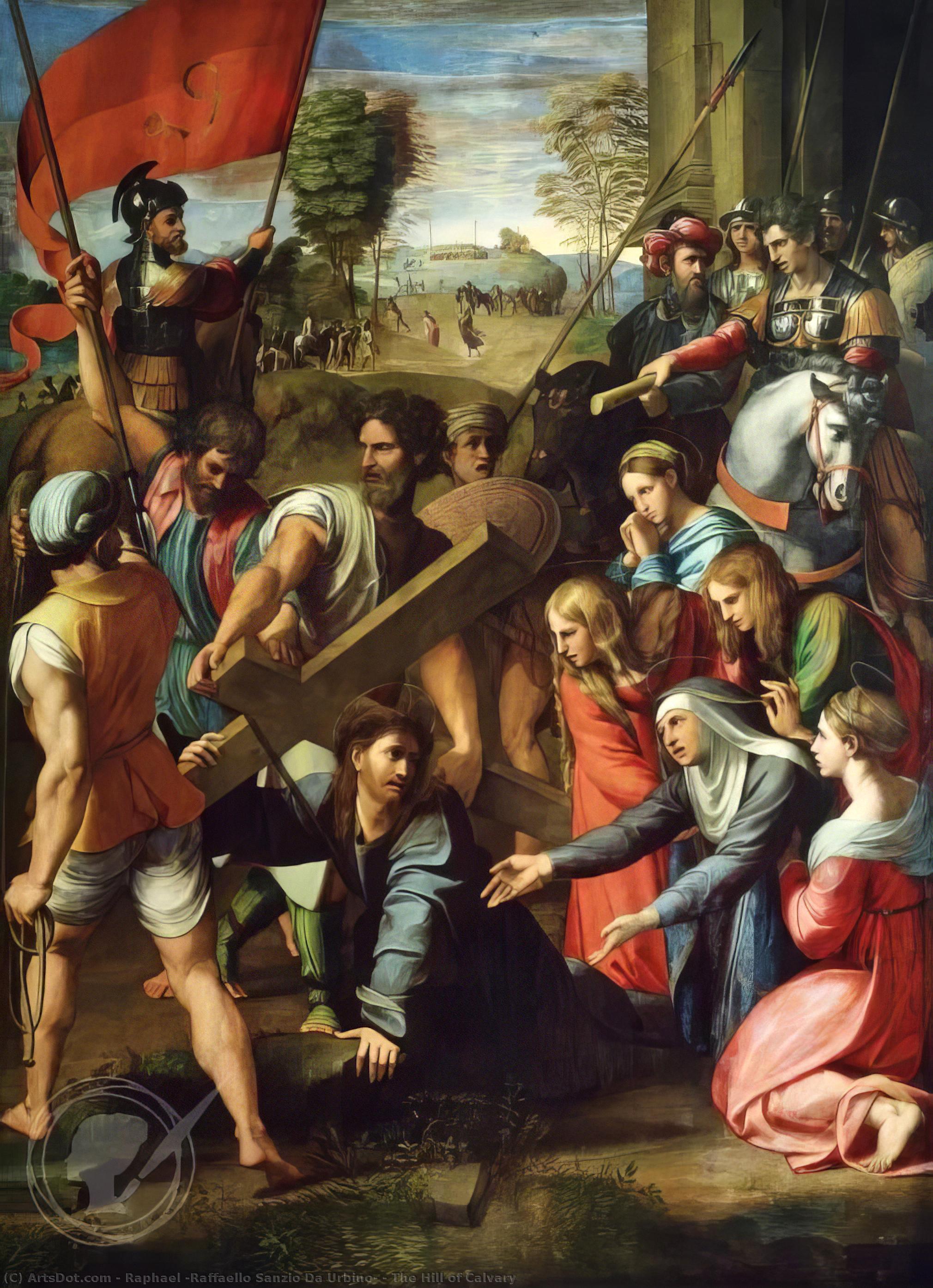
Raphael's *The Hill of Calvary*, painted circa 1516-1517, is a profoundly moving depiction of a rarely illustrated moment in the Passion of Christ. Housed within the esteemed Museo del Prado in Madrid, this oil painting transcends a simple biblical narrative; it’s an exploration of human suffering, faith, and the weight of sacrifice rendered with the masterful skill characteristic of the High Renaissance. Unlike traditional depictions focusing on the crucifixion itself, Raphael captures the poignant instant when Christ stumbles under the burden of the cross, eliciting a visceral reaction from his mother, Mary – hence its alternate title, *Lo Spasimo* (“The Agony”).
Decoding the Composition and Style
The painting’s composition is dynamically arranged. The foreground is densely populated with figures reacting to Christ's fall, creating an immediate sense of emotional intensity. Simon of Cyrene forcefully assists in lifting the cross, his gaze sternly directed towards the Roman guards – a subtle commentary on power dynamics and forced servitude. To the right, *The Four Marys* are depicted in varying states of grief and compassion. Towering figures of soldiers flank the scene, their presence imposing and symbolic of the brutal reality of Christ’s ordeal. Notably, the figure on the left bears a striking resemblance to a character from Raphael's earlier work, *The Judgement of Solomon*, cleverly reversed – a testament to his artistic reuse of motifs. The background, almost stage-like in its receding perspective with distant groups and crosses, serves to amplify the drama unfolding in the foreground. This use of depth creates a compelling contrast between the immediate suffering and the vastness of the event’s implications.
Technique and Artistic Mastery
Raphael's technical prowess is on full display in *The Hill of Calvary*. The oil paint is applied with remarkable finesse, creating a sense of depth, realism, and luminosity. His mastery of *chiaroscuro* – the interplay of light and shadow – heightens the emotional impact, drawing the viewer’s eye to key figures and emphasizing their expressions of pain and anguish. The smooth blending of colors and meticulous attention to detail exemplify the hallmarks of High Renaissance painting. Raphael's ability to render fabric textures, anatomical accuracy, and nuanced facial expressions demonstrates his dedication to achieving a naturalistic yet idealized representation of reality.
Symbolism and Religious Context
Beyond its immediate narrative, *The Hill of Calvary* is rich in symbolism. Christ’s fall represents not only physical weakness but also the burden of sin he carries for humanity. Mary's spasm of agony embodies the universal sorrow of a mother witnessing her child’s suffering. Simon of Cyrene symbolizes the role of compassion and assistance in alleviating another’s pain. The Roman guards represent earthly power and its indifference to spiritual matters. The distant crosses foreshadow the fate awaiting Christ and others condemned to crucifixion, serving as a stark reminder of mortality and redemption.
Emotional Resonance and Lasting Impact
*The Hill of Calvary* is not merely a historical or religious painting; it’s an intensely emotional experience. Raphael successfully conveys feelings of sorrow, empathy, and reverence through his masterful composition, skillful technique, and profound understanding of human psychology. The painting invites viewers to contemplate the weight of sacrifice, the power of faith, and the enduring nature of suffering. Its lasting impact lies in its ability to connect with audiences across centuries, prompting reflection on universal themes of humanity and spirituality.
Raphael’s Place in Art History
This work stands as a significant example of Raphael's artistic evolution and his contribution to the High Renaissance. It demonstrates his departure from purely idealized forms towards a more emotionally charged and dramatic style, foreshadowing elements found in later Baroque art. *The Hill of Calvary* continues to inspire artists, scholars, and collectors alike, solidifying Raphael’s legacy as one of history's greatest masters.
- Artist: Raphael (Raffaello Sanzio Da Urbino)
- Painting Title: *The Hill of Calvary*
- Museum: Museo del Prado
- Style: High Renaissance, Oil on Canvas
- Dimensions: Unknown
- Date: c. 1516-1517