A Moment Frozen in Time: Rembrandt’s ‘Ecce Homo’
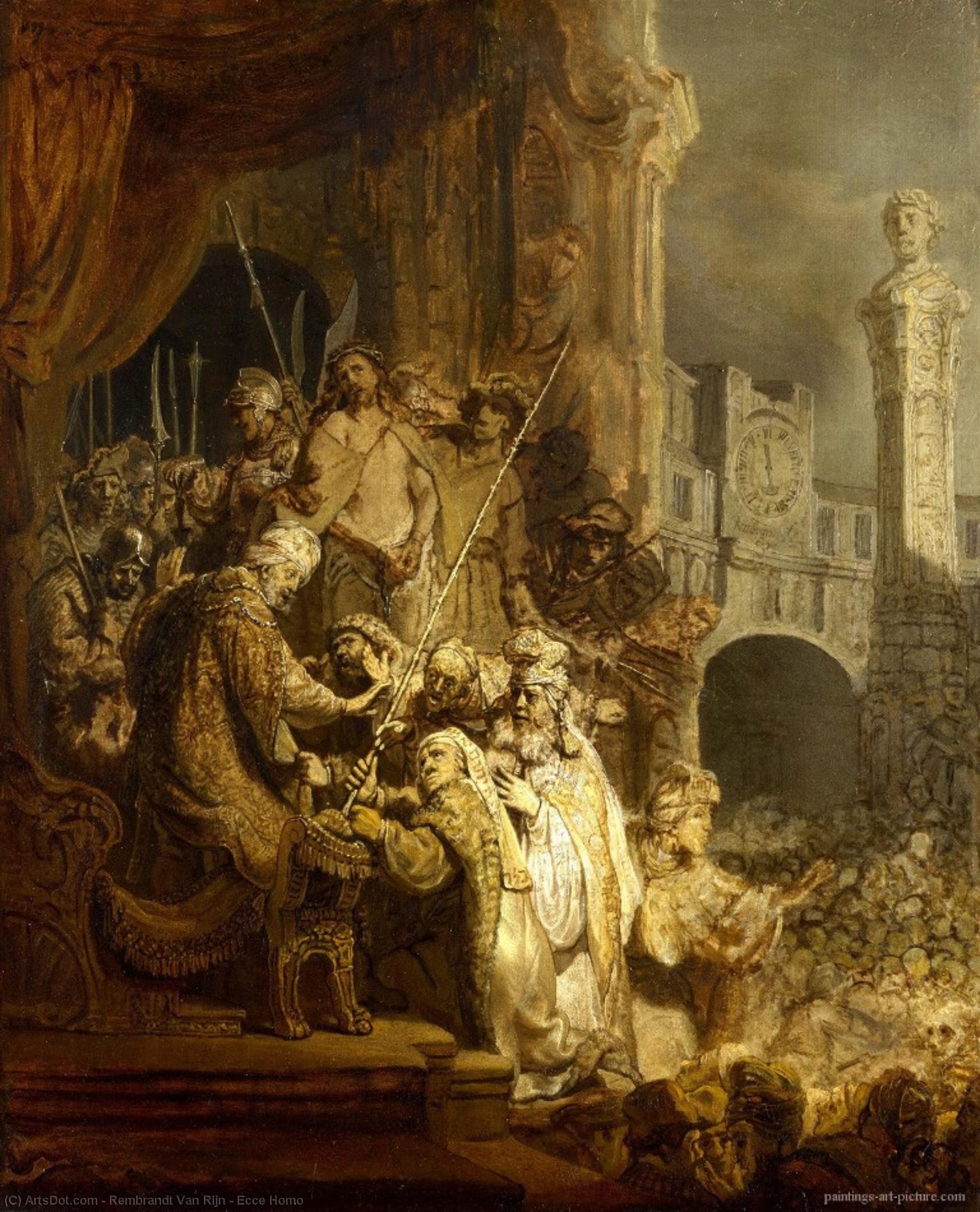
Rembrandt van Rijn's “Ecce Homo,” etched in 1637, transcends mere depiction; it embodies the very essence of Baroque drama and theological contemplation. This striking monochrome print captures a pivotal scene from Holy Week – Jesus Christ presented to Pontius Pilate – conveying an unparalleled depth of emotion and artistic virtuosity that continues to resonate with audiences centuries later. The composition itself is meticulously crafted, prioritizing psychological realism over idealized beauty, reflecting Rembrandt’s groundbreaking approach to portraiture and biblical narrative alike.
- Subject Matter: The artwork portrays Jesus Christ standing before Pontius Pilate, a moment fraught with tension and moral dilemma. It's not simply a historical record but an attempt to convey the profound spiritual significance of this encounter.
- Style & Technique: Rembrandt’s masterful etching technique—known for its exceptional tonal range—allows him to achieve breathtaking chiaroscuro, manipulating light and shadow with unparalleled precision. This dramatic interplay creates palpable depth and texture, drawing the viewer into the scene's emotional core.
The etching process itself was revolutionary for its time. Rembrandt skillfully utilized a burr tool to create minute ridges on the copper plate, which would catch ink during printing, resulting in incredibly detailed lines that capture every nuance of expression and drapery folds. This painstaking method ensured that the print faithfully reproduced the artist’s vision with remarkable fidelity.
Historical Context & Significance
“Ecce Homo” emerged from a period of intense religious fervor within the Netherlands during the Reformation, marking a crucial juncture in European history. Rembrandt's depiction aligns perfectly with the theological debates surrounding Pilate’s decision to condemn Jesus, prompting viewers to grapple with questions of faith and justice. The image powerfully communicates Christ’s suffering and vulnerability, emphasizing his humanity alongside divine majesty—a deliberate artistic strategy designed to provoke contemplation and inspire piety.
Symbolism & Emotional Impact
Beyond its historical context, “Ecce Homo” is laden with symbolic resonance. Rembrandt's careful positioning of Jesus’ hands tied behind him underscores his helplessness before Pilate’s authority, symbolizing the sacrifice demanded by divine grace. The solemn gaze of Christ and the palpable anxiety etched on Pontius Pilate’s face amplify the scene’s dramatic tension, conveying a profound sense of sorrow and moral responsibility. Rembrandt's ability to evoke such visceral emotion solidified his reputation as one of the greatest portraitists and printmakers of all time.
A Legacy Enduring Through Reproduction
Today, high-quality reproductions of “Ecce Homo” offer art lovers and collectors alike the opportunity to experience Rembrandt’s artistic genius firsthand. ArtsDot.com presents meticulously crafted prints that faithfully capture the artwork's luminous tonal range and textural subtleties—allowing you to bring this iconic masterpiece into your home or workspace.