Introduction to the Painting
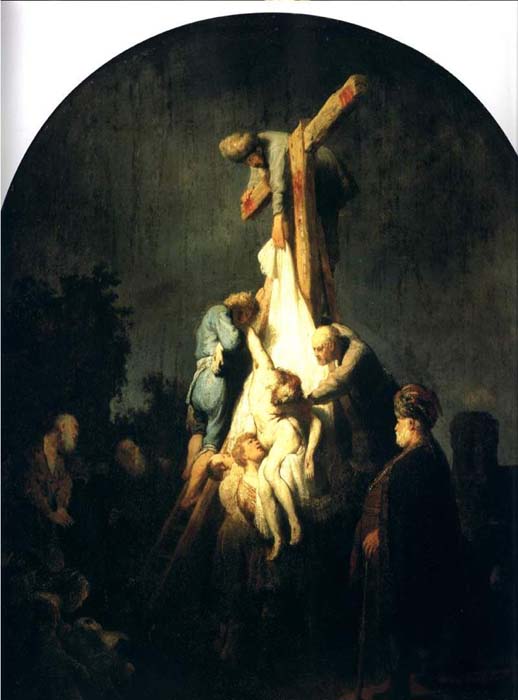
La Descente De Croix, Munich is a
Dutch Golden Age oil painting created by the renowned artist
Rembrandt Van Rijn in 1633. This masterpiece is an exemplary representation of Rembrandt's skill and style, showcasing his ability to convey emotion and depth through his use of light and shadow.
Description and Historical Context
The painting depicts the descent of Christ from the cross, featuring several figures including Mary, John, and Joseph of Arimathea. The
Dutch Golden Age was a period of great cultural and artistic achievement in the Netherlands, with artists like
Rembrandt Van Rijn creating works that were both technically impressive and emotionally powerful. For more information on this period, visit
Dutch Golden Age.
Artistic Significance and Legacy
Rembrandt Van Rijn's
La Descente De Croix, Munich is a deeply religious painting that reflects the artist's own faith and spirituality. The descent of Christ from the cross was a central event in Christian theology, and Rembrandt's depiction of this moment is both reverent and powerful. To explore more of Rembrandt's works, including
Joris de Caullery and
Portrait of Baertje Martens, circa, visit
Rembrandt Van Rijn: La Descente De Croix, Munich.
Conclusion and Availability of Reproductions
La Descente De Croix, Munich by
Rembrandt Van Rijn is a masterpiece that continues to inspire art lovers today. For those interested in owning a piece of history,
ArtsDot.com offers high-quality, handmade oil painting reproductions of this and other works by
Rembrandt Van Rijn. The Mauritshuis, an art museum in the Netherlands, also features an impressive collection of Dutch Golden Age paintings, including works by
Rembrandt Van Rijn and other notable artists.
To learn more about the Mauritshuis and its collection, visit
Discover the Masterpieces of Mauritshuis, The Hague.