A Portrait of Dutch Prosperity and Inner Life
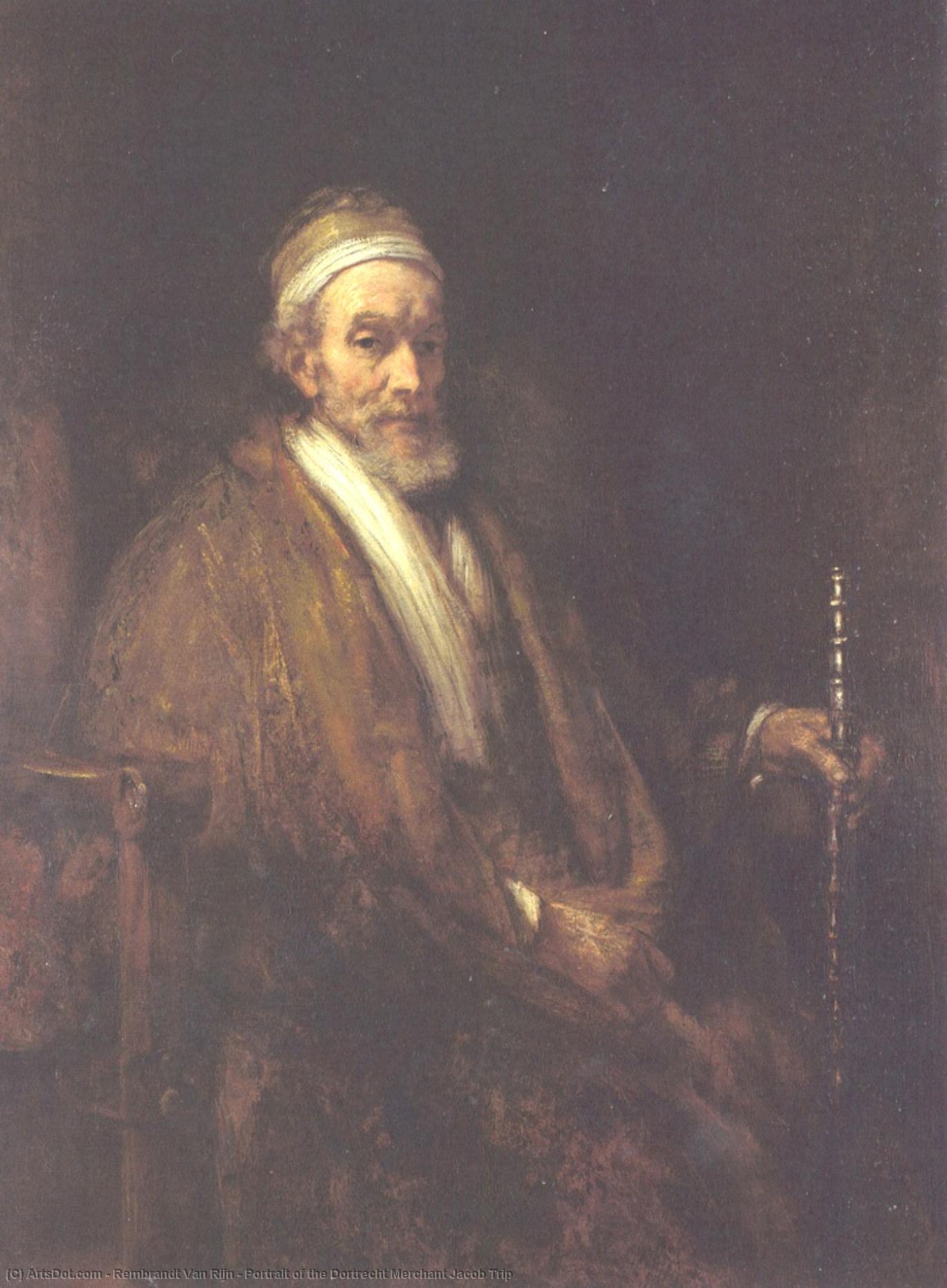
Rembrandt van Rijn’s 1661 *Portrait of the Dortrecht Merchant Jacob Trip* is far more than a likeness; it's a profound statement about wealth, status, and the burgeoning self-awareness characteristic of the Dutch Golden Age. Painted during a period of immense prosperity for the Netherlands, this large-scale portrait (131 x 97 cm) currently resides in the National Gallery, London, offering viewers a captivating glimpse into the world of a successful merchant. Trip isn’t simply *depicted* – he is *present*, engaging us with his confident gaze and dignified posture.
Decoding the Composition & Style
The painting showcases Rembrandt's mastery of Baroque portraiture, but with a distinctly Dutch sensibility. Unlike the overtly opulent displays common in other European courts, Trip’s wealth is communicated through subtle cues: the quality of his dark robe, the fine texture of his lace collar, and the implied richness of his surroundings. The composition isn’t static; two shadowy figures recede into the background – one appearing to be a clerk or assistant, and another further back, adding depth and suggesting Trip's bustling commercial life. A small object, likely a smoking pipe, rests near the lower left corner, hinting at moments of private contemplation amidst his public persona.
Rembrandt’s Technical Brilliance: Chiaroscuro & Texture
Central to the painting’s power is Rembrandt's signature use of *chiaroscuro* – the dramatic interplay of light and shadow. Light doesn’t simply illuminate Trip; it sculpts his features, emphasizing the lines etched by age and experience. This technique isn’t merely aesthetic; it directs our attention, creating a sense of intimacy and psychological depth. Notice also Rembrandt's incredible handling of texture: from the smooth sheen of the satin robe to the rougher weave of the chair upholstery, each surface is rendered with remarkable fidelity. The impasto – thick application of paint – adds a tactile quality, making the scene almost palpable.
Historical Context & Symbolism
Jacob Trip was a prominent figure in Dordrecht, serving as an alderman and actively involved in civic affairs. The portrait was likely commissioned to commemorate his position and solidify his legacy. During the Dutch Golden Age, merchant portraits like this were not just displays of wealth but also statements of social responsibility and civic pride. The cane held by Trip isn’t merely a walking aid; it's a symbol of authority and status. His seated pose conveys stability and control – qualities highly valued in a successful businessman. The subtle inclusion of background figures suggests the network of relationships that underpinned his success.
Emotional Resonance & Lasting Impact
Beyond its historical significance, *Portrait of the Dortrecht Merchant Jacob Trip* resonates on a deeply human level. Rembrandt doesn’t shy away from portraying the signs of aging; instead, he imbues them with dignity and wisdom. There's a quiet introspection in Trip’s expression – a sense that he has seen much and learned even more. The painting invites us to contemplate not just *who* Jacob Trip was, but also what it meant to live during this pivotal period in Dutch history.
Exploring Rembrandt’s Wider Oeuvre
- The Night Watch (1642): A monumental group portrait that exemplifies Rembrandt's innovative approach to composition and dramatic lighting.
- Self-Portraits: Throughout his career, Rembrandt created numerous self-portraits, offering a unique window into his evolving artistic style and personal life.
- The Return of the Prodigal Son (c. 1669): A deeply moving biblical scene that showcases Rembrandt’s unparalleled ability to convey emotion and spiritual depth.
For those seeking to bring the beauty and intellectual richness of Rembrandt's work into their own spaces, high-quality reproductions offer an accessible way to experience his genius. The *Portrait of Jacob Trip* is a timeless masterpiece that continues to inspire awe and admiration centuries after its creation.