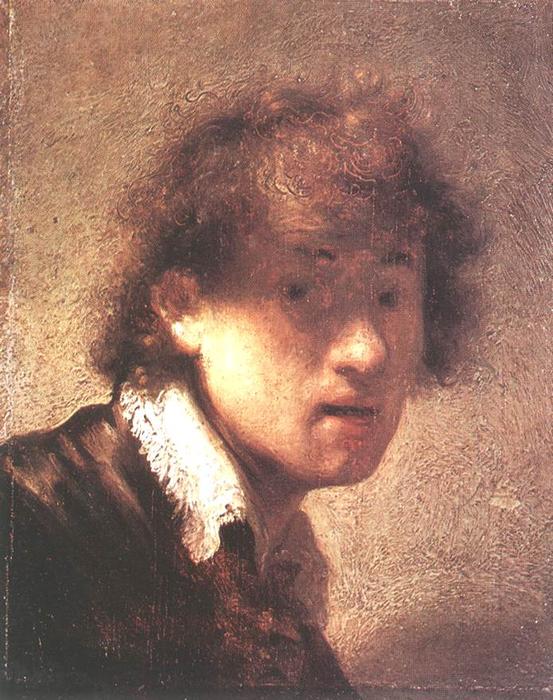
The Serene Embrace of Saskia van Uylenburgh by Rembrandt
Subject: This captivating artwork portrays Saskia van Uylenburgh, Rembrandt's beloved wife, in a moment of quiet contemplation. The painting offers an intimate glimpse into the life of one of Amsterdam’s most prominent citizens and provides valuable insight into the artist’s personal world.
Style and Technique
Style: The artwork exemplifies Rembrandt’s signature Baroque style, characterized by dramatic lighting, rich colors, and a focus on human emotion. It blends elements of portraiture with a sense of narrative, creating an engaging visual experience for the viewer.
Technique: Rembrandt masterfully employed oil paint on canvas, utilizing impasto techniques to create texture and depth. The interplay of light and shadow—known as chiaroscuro—is particularly striking, highlighting Saskia’s features while enveloping her in a warm, atmospheric glow. His use of glazing allows for subtle color transitions and an overall sense of luminosity.
Historical Context and Symbolism
Historical Context: Painted around 1640-1642, during the Dutch Golden Age, this artwork reflects a period of unprecedented prosperity and artistic innovation. The painting’s setting—a richly appointed interior—underscores Saskia's social standing and Rembrandt’s own growing success as an artist.
Symbolism: Several symbolic elements are woven into the composition. Saskia’s attire, a luxurious gown adorned with lace and jewels, signifies her wealth and status. The presence of books and musical instruments suggests her intellectual pursuits and refined taste. The soft lighting and gentle expression convey a sense of serenity and contentment.
Emotional Impact
Emotional Impact: This artwork evokes a profound sense of intimacy and tranquility. Saskia’s gaze, both direct and contemplative, draws the viewer into her world. The painting's overall atmosphere—warm, inviting, and imbued with a quiet dignity—leaves a lasting impression on the beholder.