A Snapshot of Domestic Life Illuminated: Rembrandt’s ‘The Pancake Woman’
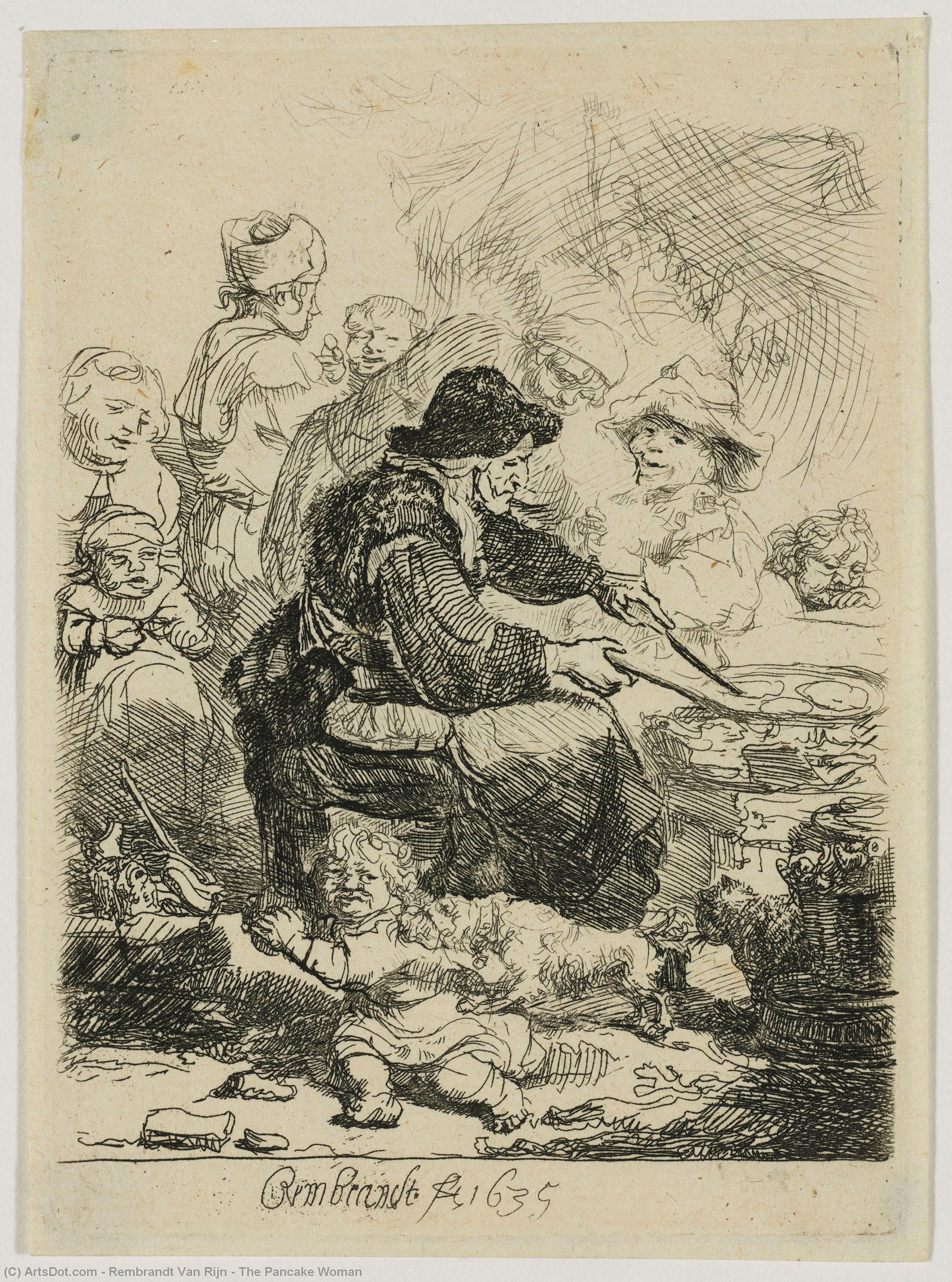
Rembrandt van Rijn's “The Pancake Woman,” created in 1635, transcends mere depiction; it embodies the very essence of Dutch Baroque artistry—a masterful manipulation of light and shadow that elevates a seemingly simple domestic scene into a profound meditation on motherhood, observation, and the quiet dignity of everyday existence. This etching, now housed at the Cleveland Museum of Art and meticulously studied by scholars like Dr. Elizabeth Kroon, offers an unparalleled glimpse into Rembrandt’s artistic process and his fascination with capturing nuanced human emotion.
- Subject Matter: The artwork portrays a woman seated on the ground, tenderly caring for her infant child. The composition is deliberately understated, focusing intently on the interaction between mother and child – a motif prevalent in Rembrandt’s oeuvre reflecting his humanist sensibilities.
- Style & Technique: Rembrandt's signature etching technique—known for its exceptional detail and tonal range—is brilliantly employed here. Lines of varying thickness create dramatic chiaroscuro effects, highlighting the contours of the figures and casting soft shadows that imbue the scene with warmth and intimacy. The artist’s meticulous attention to surface texture contributes to a palpable sense of realism, mirroring the tactile qualities of the domestic setting.
- Historical Context: Produced during Rembrandt's prolific period in Amsterdam, “The Pancake Woman” speaks to the broader cultural preoccupation with familial piety and the portrayal of ordinary life as worthy of artistic representation—a characteristic feature of the Dutch Golden Age. It aligns perfectly with Rembrandt’s broader exploration of human psychology and his desire to portray individuals authentically, capturing fleeting expressions of emotion and gesture.
- Symbolism: The inclusion of a frying pan and knife subtly underscores themes of sustenance and care – essential elements of maternal responsibility. Furthermore, the gaze of the child towards the pan hints at curiosity and engagement with the world around him, symbolizing innocence and burgeoning intellect.
- Emotional Impact: Rembrandt’s masterful rendering captures a moment of quiet tenderness—a scene brimming with unspoken emotion. The etching invites contemplation on themes of maternal devotion and the beauty found in simple domestic rituals. It serves as a poignant reminder that even the most commonplace activities can be transformed into powerful expressions of human experience through artistic vision.
The etching’s enduring appeal lies not only in its technical brilliance but also in its ability to resonate with viewers across centuries, prompting reflection on the values and emotions that define our humanity.