A Glimpse into the Soul of an Artist: Rembrandt’s “Titus”
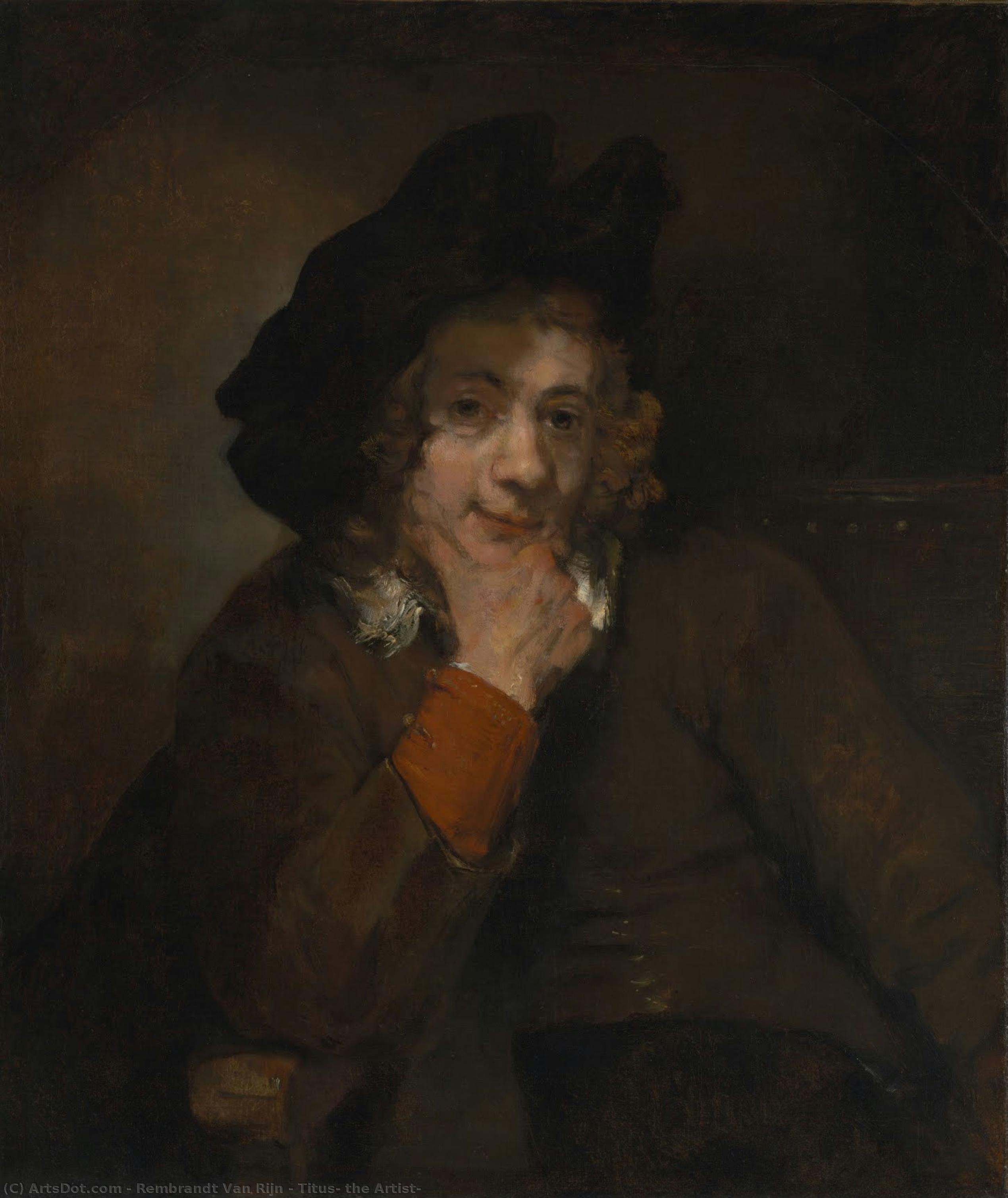
Rembrandt van Rijn's "Titus," a portrait rendered in oil on canvas, is more than just a likeness; it’s a profound meditation on artistic identity and the burdens of genius. Born in Leiden in 1606, Rembrandt navigated a tumultuous period of Dutch history, witnessing both its burgeoning prosperity and the social anxieties that simmered beneath the surface. His early life, marked by humble beginnings – his father a miller, his mother a baker – provided a grounding contrast to the world he was about to enter as an artist. The influence of Pieter Lastman, with his dramatic use of light and shadow, proved pivotal in shaping Rembrandt’s distinctive style, laying the groundwork for the intensely personal narratives that would characterize his later work. “Titus,” painted likely around 1640-1650, captures a moment of quiet introspection, a rare vulnerability rarely seen in the artist's more dynamic portraits.
The Subject: A Portrait of Reflection
The sitter, identified as Titus (likely Titus van Assen), is presented with an arresting directness. He’s not posed dramatically or engaged in a grand gesture; instead, he gazes downward, his chin resting thoughtfully in his hand. This posture immediately invites the viewer into a private space, suggesting a contemplation of his craft and perhaps even the weight of his own artistic legacy. The subtle turn of his head, the slight furrowing of his brow – these details speak volumes about the man’s inner life. The inclusion of a wig and mustache, fashionable elements of the period, subtly elevate him within the social hierarchy, hinting at his status as a respected artist, yet he retains an air of approachable humanity.
Technique and Composition: Mastery of Light and Shadow
Rembrandt’s genius lies not merely in capturing likeness but in imbuing his subjects with psychological depth through masterful manipulation of light and shadow – a technique known as *chiaroscuro*. Observe how the light, originating from an unseen source, dramatically illuminates Titus's face, highlighting the texture of his skin and emphasizing the lines etched by experience. The background is deliberately muted, drawing all attention to the central figure. The chair behind him isn’t merely a prop; it subtly anchors the composition, providing a sense of stability while simultaneously suggesting a space of solitude and reflection. The brushstrokes themselves are visible, adding a layer of texture and immediacy to the painting – a characteristic feature of Rembrandt's mature style.
Symbolism and Historical Context: The Burden of Creativity
“Titus” resonates with a profound sense of melancholy, reflecting the challenges faced by artists during the 17th century. Rembrandt himself struggled financially throughout his career, often facing rejection and criticism despite his undeniable talent. This portrait can be interpreted as an exploration of that struggle – the isolation, the self-doubt, and the relentless pursuit of artistic expression. The downward gaze suggests a man lost in thought, wrestling with the complexities of his craft and perhaps even contemplating mortality. The painting’s quiet intensity speaks to the universal experience of creative endeavor: the exhilaration of inspiration balanced by the inevitable frustrations and sacrifices.
A reproduction of “Titus” offers an exceptional opportunity to bring this powerful work into your home or office. ArtsDot provides meticulously crafted, hand-painted reproductions that faithfully capture Rembrandt’s nuanced style and emotional depth. Whether you are a seasoned art collector, an interior designer seeking to infuse a space with character, or simply an admirer of Dutch Golden Age painting, a “Titus” reproduction is a timeless investment in beauty and artistic contemplation.