The Purification of the Virgin – A Baroque Tapestry of Faith and Grace
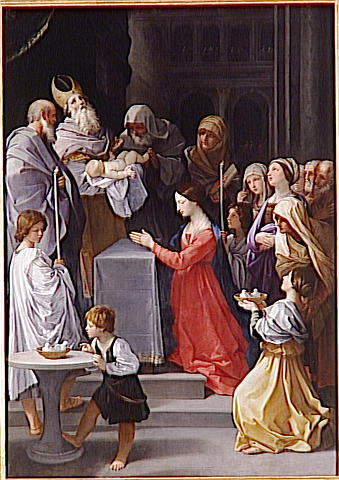
Guido Reni’s “Purification of the Virgin” is more than just a painting; it's an immersive experience, a carefully orchestrated tableau vivant that transports the viewer to a moment of profound spiritual significance. Completed around 1625-1650 during the height of the Baroque period, this masterpiece resides within the Louvre Museum in Paris, a testament to Reni’s mastery of classical composition and his ability to infuse religious subject matter with an intense emotional resonance. The scene depicts a pivotal biblical event – the Purification of Mary after the birth of Jesus – rendered not as a stark narrative but as a luminous, almost ethereal meditation on faith, humility, and divine grace.
Reni’s style is immediately recognizable: a refined elegance tempered by dramatic intensity. He eschews the overly theatrical gestures common in some Baroque works, instead favoring a balanced composition and a subtle use of light and shadow. The figures are idealized, possessing a classical beauty that elevates them beyond mere mortals. Yet, there's an undeniable sense of humanity – Mary’s expression is one of serene acceptance, while the young Christ radiates innocence and vulnerability. The architectural setting, reminiscent of a Romanesque church interior, provides a stable foundation for the unfolding drama, grounding the scene in a tangible reality.
A Symphony of Color and Light
The painting’s palette is dominated by warm, earthy tones – ochres, siennas, and reds – creating an atmosphere of intimacy and reverence. These rich hues are skillfully contrasted with cooler blues and whites, particularly in the drapery and the figures' garments, adding depth and luminosity to the scene. Reni masterfully employs glazing techniques, layering thin washes of color over each other to achieve a remarkable sense of texture and vibrancy. The light itself seems to emanate from within the painting, bathing the figures in a soft, diffused glow that evokes a feeling of holiness. Note how the light catches the folds of Mary’s robe, highlighting her posture and conveying a sense of dignity and grace.
The composition is meticulously arranged, guiding the viewer's eye through the scene with a clear narrative flow. The central focus is undeniably on the Virgin Mary, presented as a figure of profound piety and maternal love. Her youthful beauty and serene expression are juxtaposed against the presence of the elderly man, presumably John the Baptist, holding aloft a cloth used to purify the infant Jesus. This detail underscores the significance of the ritual and emphasizes the importance of cleansing and renewal within the Christian faith. The surrounding figures – priests, attendants, and onlookers – contribute to the overall sense of solemnity and devotion, creating a dynamic tableau that captures a pivotal moment in biblical history.
Symbolism Woven into the Fabric
“The Purification of the Virgin” is rich with symbolic meaning. The cloth used for purification represents not only physical cleansing but also spiritual purification – a metaphor for the removal of sin and the attainment of grace. Mary’s posture, kneeling in prayer, embodies humility and submission to God's will. The presence of John the Baptist, a figure associated with repentance and baptism, further reinforces this theme. Even the architectural setting—a grand church interior—symbolizes the sacredness of the event and the connection between earthly and divine realms.
The painting’s historical context is equally important to understanding its significance. Created during the Counter-Reformation, a period of intense religious reform within the Catholic Church, “The Purification of the Virgin” reflects the renewed emphasis on piety, devotion, and artistic representation of biblical narratives. Reni's work served as a powerful visual tool for communicating Christian teachings and inspiring faith among a largely illiterate population.
A Timeless Masterpiece – Reproduction Possibilities
Today, “The Purification of the Virgin” stands as a testament to Guido Reni’s artistic genius and his ability to capture the essence of religious devotion. Its enduring appeal lies in its harmonious composition, masterful use of color and light, and profound symbolic depth. High-quality reproductions are now available through various channels, offering art lovers the opportunity to bring this timeless masterpiece into their homes or offices. Whether you choose a vibrant giclee print, a luxurious canvas reproduction, or a meticulously framed artwork, you can experience the beauty and spiritual power of Reni’s “Purification of the Virgin” in your own space.