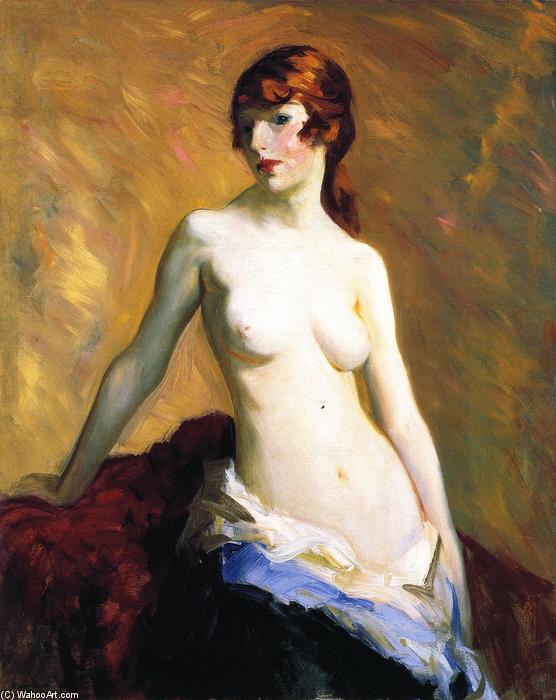
Discover Robert Henri’s ‘The Young Girl,’ a captivating 1915 oil painting showcasing Ashcan School realism & expressive brushwork. Explore its unique style and American artistic legacy.
Robert Henri (1865-1929) was a pivotal figure of the Ashcan School, championing American Realism & capturing everyday life with striking honesty. Influenced artists like Edward Hopper.
Discover Detroit's iconic art scene at the DIA! Explore world-class collections, including Rivera murals & American masterpieces, reflecting the city’s rich history and vibrant culture.
The Young Girl: A Portrait of Quiet Strength in American Realism
Robert Henri’s “The Young Girl,” painted in 1915, stands as a cornerstone of Ashcan School realism and embodies Henri's unwavering commitment to portraying the human condition with unflinching honesty. More than just a depiction of a nude figure—a deliberate choice reflecting Henri’s fascination with the female form—the painting is an exploration of vulnerability, contemplation, and subtle emotional resonance within the confines of urban life. Its enduring appeal lies in Henri’s masterful technique and his ability to capture not merely what he saw but also what he felt.
Background & Inspiration: Millet's Influence and the Ashcan School Movement
Henri’s artistic vision was profoundly shaped by the Impressionists, particularly François Millet, whose canvases celebrated rural landscapes with luminous color palettes and a focus on capturing fleeting moments of everyday existence. Henri sought to emulate Millet’s approach but redirected his gaze inward, examining the complexities of human psychology within the gritty realities of New York City. The Ashcan School, founded in 1907, championed this humanist perspective—rejecting idealized representations and striving instead for an authentic portrayal of urban life and its inhabitants. Henri's aim was to depict individuals as they truly were: flawed, vulnerable, yet imbued with dignity and spirit.
Style & Technique: Bold Brushstrokes and Impasto Texture
“The Young Girl” exemplifies Henri’s distinctive style through its bold brushstrokes and masterful use of impasto—thickly applied paint that creates a palpable textural surface. The artist eschewed meticulous detail in favor of capturing the essence of his subject, prioritizing rhythm, color, and volume to convey movement and emotion. Notice how Henri utilizes a muted palette dominated by earthy tones – browns and ochres – juxtaposed against the vibrant blue dress, drawing attention to the figure’s torso and face. The composition is centered around the woman seated on a crimson velvet cushion, emphasizing her stillness and inviting contemplation. Thick brushstrokes delineate the contours of her body and imbue the fabric with warmth and depth, mirroring the subtle melancholy expressed in her gaze.
Symbolism & Emotional Impact: Vulnerability and Contemplation
Henri’s portrayal transcends mere visual representation; it speaks to themes of vulnerability and inner reflection. The woman's serene expression—a slight downturn of the lips hinting at sadness—suggests a profound awareness of life’s complexities. Henri deliberately avoids romanticizing her subject, presenting her with an honest gaze that confronts viewers with the realities of human experience. This quiet dignity is reinforced by her posture – relaxed yet attentive – conveying a sense of inner peace amidst the bustling city backdrop. The blurred landscape behind her serves as a reminder of the external world while simultaneously highlighting the woman’s internal focus.
Legacy & Reproduction: Celebrating Henri's Vision
“The Young Girl” remains an influential work within American art history, representing Henri’s unwavering dedication to portraying human emotion and experience with uncompromising realism. Its enduring beauty resides not only in its technical brilliance but also in its ability to evoke empathy and contemplation. To appreciate Henri’s artistic legacy fully, consider commissioning a high-quality reproduction from ArtsDot.com – allowing you to bring this iconic image into your home or studio and celebrate the spirit of American Realism. For more information on Robert Henri and his oeuvre, visit ArtsDot.com and explore Wikipedia's comprehensive biographical account.