Robert Lefèvre (1755-1830) was a French painter renowned for his portraits of Napoleon, Joséphine & imperial figures. Influenced by Jacques-Louis David, he masterfully blended Neoclassical style with historical and religious themes. Discover his lega
Explore the opulent Palace of Versailles, once home to French royalty! Discover stunning state apartments, the Hall of Mirrors & expansive gardens – a journey through history.
A Portrait Steeped in Majesty: Exploring Lefèvre’s Princess Pauline Borghese
Robert Lefèvre, a figure largely obscured by the grandeur of his era, nevertheless commanded considerable respect within the artistic circles of Napoleonic France. Born into modest circumstances in Bayeux in 1755, Lefèvre defied convention by eschewing formal apprenticeship and forging his own path to Parisian art training—a bold decision that prioritized immersion in the legacy of the Old Masters over prescribed academic routes. This autodidactic approach instilled within him a profound understanding of classical ideals and profoundly influenced his artistic sensibilities. He wasn’t driven by ambition for fame, but rather possessed an unwavering dedication to capturing the essence of human experience through meticulously crafted paintings—a commitment that cemented his place as one of the most significant portraitists of his time.
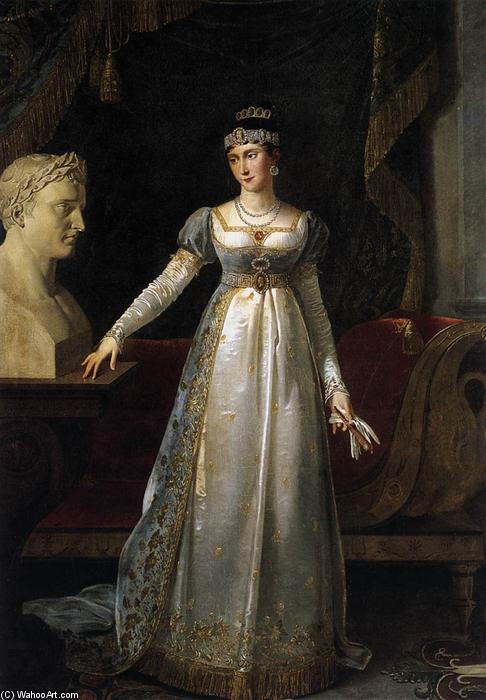
- Subject Matter: Lefèvre's Princess Pauline Borghese is a captivating depiction of nobility and feminine grace. The subject, Princess Pauline Borghese herself, embodies aristocratic elegance, rendered with remarkable realism and sensitivity.
- Style & Technique: Embracing the tenets of Neoclassicism—a movement championed by Jacques-Louis David—Lefèvre skillfully blended stylistic influences to achieve a harmonious blend of grandeur and psychological depth. His technique involved layering thin glazes over toned grounds, creating luminous surfaces that conveyed subtle nuances of light and shadow.
Historical Context: Napoleon’s Court and Artistic Patronage
The painting emerged during the zenith of Napoleon Bonaparte's reign—a period characterized by fervent nationalism and a renewed interest in classical art forms. Lefèvre benefited immensely from imperial patronage, securing commissions that allowed him to produce monumental portraits celebrating prominent figures within the Napoleonic administration. This artistic fervor reflected the broader cultural aspirations of the era: an effort to revive Roman ideals of virtue and reason amidst the turbulent upheavals of European politics. Lefèvre’s work served as a visual testament to this ambition, embodying the aesthetic values prized by Napoleon himself—a ruler acutely aware of the power of art to shape public perception and reinforce social hierarchies.
Symbolism & Composition: Layers of Meaning
Beyond its formal beauty lies a rich tapestry of symbolic elements. The opulent drapery—particularly the crimson velvet curtain—underscores the princess’s status as heir to considerable wealth and influence. The bust of a man positioned beside Pauline speaks to the importance of lineage and tradition, hinting at connections to influential families within French society. Lefèvre's masterful use of light—softly illuminating Pauline’s face—creates an atmosphere of contemplative serenity, inviting viewers to contemplate not only her physical appearance but also her inner character. The careful arrangement of figures contributes to a sense of balance and formality, mirroring the aesthetic principles prevalent in Neoclassical art.
Emotional Impact & Legacy
Lefèvre’s Princess Pauline Borghese transcends mere visual representation; it communicates an enduring emotional resonance. The painting captures a moment of dignified repose—a portrayal that speaks to the idealized vision of femininity championed during the Enlightenment and Napoleonic eras. Lefèvre's meticulous attention to detail, combined with his masterful command of technique and composition, ensures that this artwork continues to inspire admiration and provoke contemplation decades after its creation. It stands as a poignant reminder of the transformative power of art—its ability to encapsulate both historical circumstance and timeless human emotion.