Introduction to Surrealism and Salvador Dali
Surrealism, an art movement that emerged in the early 20th century, is characterized by its exploration of the unconscious mind and dreamlike imagery. One of the most famous surrealist painters was
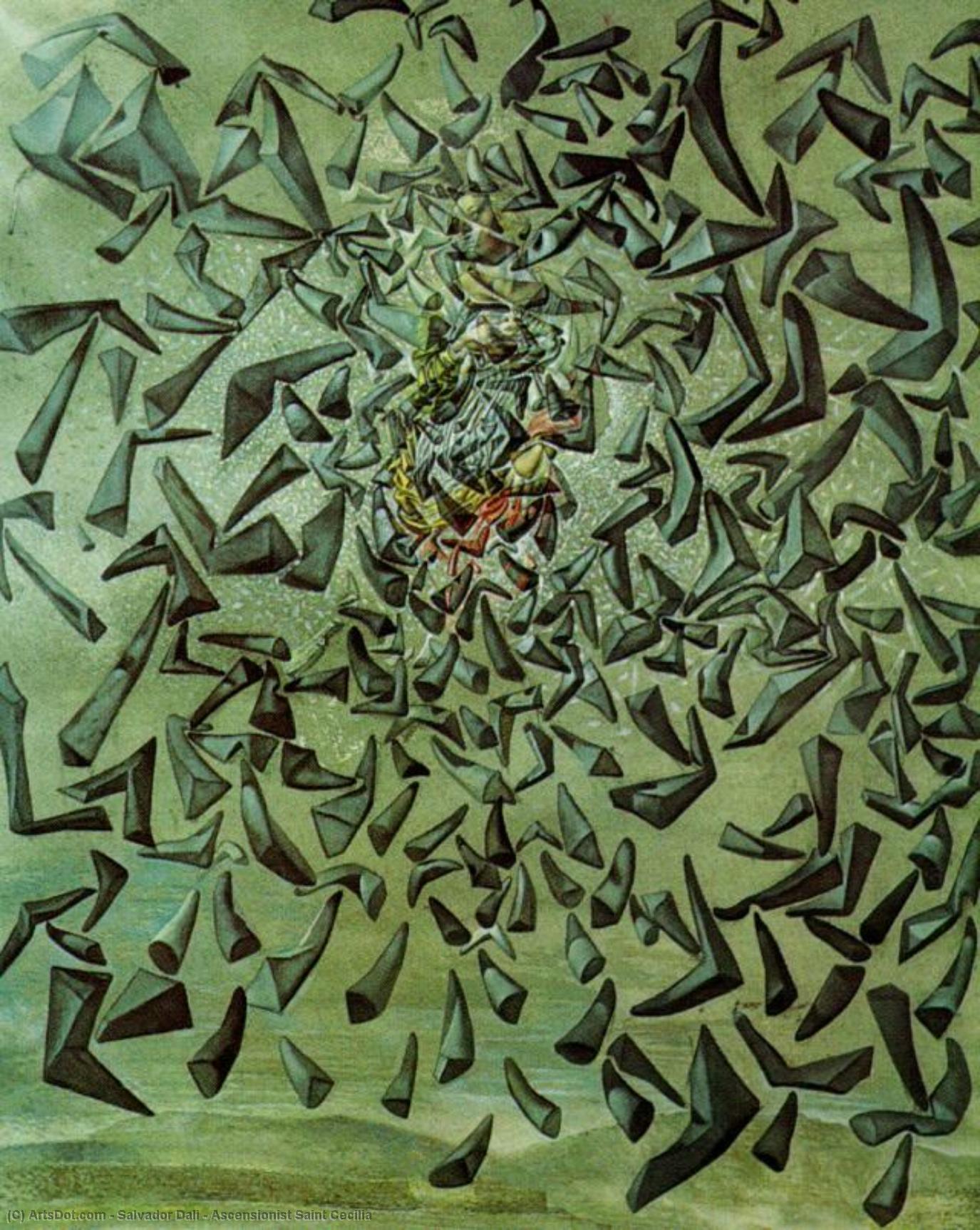
Salvador Dali, a Spanish artist known for his eccentric personality and innovative techniques. His painting,
Ascensionist Saint Cecilia, is a testament to his unique style and vision.
The Painting's Style and Interpretation
Ascensionist Saint Cecilia depicts
Saint Cecilia, the patron saint of music, ascending to heaven surrounded by surrealistic elements such as melting clocks and distorted landscapes. The use of chiaroscuro creates a sense of depth and volume, highlighting the saint's figure against the abstract background. The melting clocks, a recurring motif in Dali's work, symbolize the fluidity of time and its subjective nature.
Significance and Impact
The painting is open to various interpretations, but one possible meaning is the transcendence of the human spirit beyond temporal limitations. The distorted landscapes and surreal elements suggest a dreamlike state, where reality and imagination merge. The use of religious symbolism, such as the saint's ascension, adds a spiritual dimension to the work.
Surrealism is an art movement that emerged in the early 20th century, characterized by its exploration of the unconscious mind and dreamlike imagery. You can find more information about
Surrealism on ArtsDot.com.
Related Paintings by Salvador Dali
If you enjoyed
Ascensionist Saint Cecilia, you might also like some of these other paintings by
Salvador Dali:
You can find these paintings and more on
ArtsDot.com's collection of famous paintings.
For more information about the artist, you can visit
Wikipedia page.