A Surreal Examination of Femininity and Tool Imagery
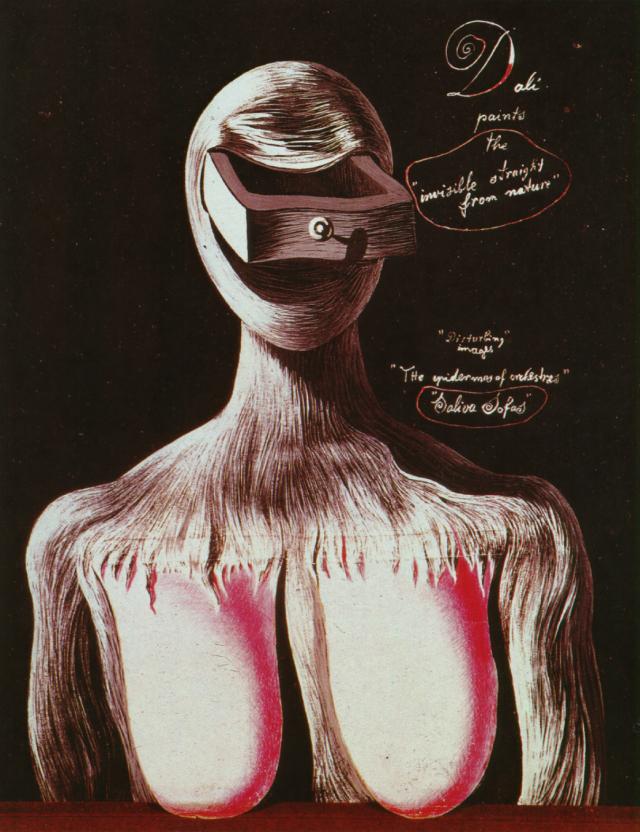
Salvador Dalí’s “Woman with Drawers,” painted in 1936, stands as a quintessential emblem of Surrealist artistic expression. More than just a portrait, it's an unsettling meditation on the female form intertwined with meticulously crafted symbolism—a visual puzzle designed to provoke contemplation and challenge conventional perceptions.
- Subject Matter: The painting depicts a woman’s torso, prominently featuring two oversized breasts rendered in vibrant red. This bold color choice immediately draws attention and establishes an undeniable focal point.
- Style & Technique: Dalí's signature style—characterized by meticulous detail combined with dreamlike distortions—is evident throughout the composition. The smooth, polished surface of the paint contributes to a sense of stillness juxtaposed against the jarring presence of the surreal elements.
The inclusion of scissors or shears perched atop one breast is arguably the most striking element of “Woman with Drawers.” This seemingly incongruous object serves as a powerful symbol, representing both castration anxiety—a recurring motif in Dalí’s oeuvre—and the act of dissecting and analyzing the subconscious mind. It suggests an attempt to unravel the complexities hidden beneath the surface of appearances.
Historical Context: The Shadow of Fascism
Painted during the tumultuous period of Francoist Spain, “Woman with Drawers” reflects the anxieties prevalent in European society at the time. Surrealism emerged as a reaction to rational thought and scientific dogma, fueled by the psychological theories of Sigmund Freud. Dalí deliberately employed dreamlike imagery to bypass conscious reasoning and tap into primal instincts—a deliberate defiance against the oppressive political climate.
- Symbolism: Beyond castration anxiety, the scissors can also be interpreted as representing control, precision, and the fragmentation of identity. The red color of the breasts symbolizes passion, desire, and perhaps even vulnerability – emotions deliberately heightened to amplify the painting’s unsettling effect.
Emotional Impact & Artistic Legacy
"Woman with Drawers" transcends mere visual representation; it aims to elicit an emotional response from the viewer. The juxtaposition of softness and sharpness—the voluptuous breasts against the cold metal shears—creates a palpable tension that lingers in the mind long after viewing. Dalí’s masterful technique ensures that every brushstroke contributes to this unsettling yet captivating experience.
This artwork continues to fascinate art historians and collectors alike, cementing Dalí's place as one of the most influential artists of the 20th century. Its enduring appeal lies in its ability to encapsulate the anxieties and aspirations of a generation grappling with profound societal shifts—a testament to Dalí’s unparalleled capacity for translating psychological complexities into unforgettable visual art.