A Glimpse into Divine Suffering: Botticelli’s *Ecce Homo*
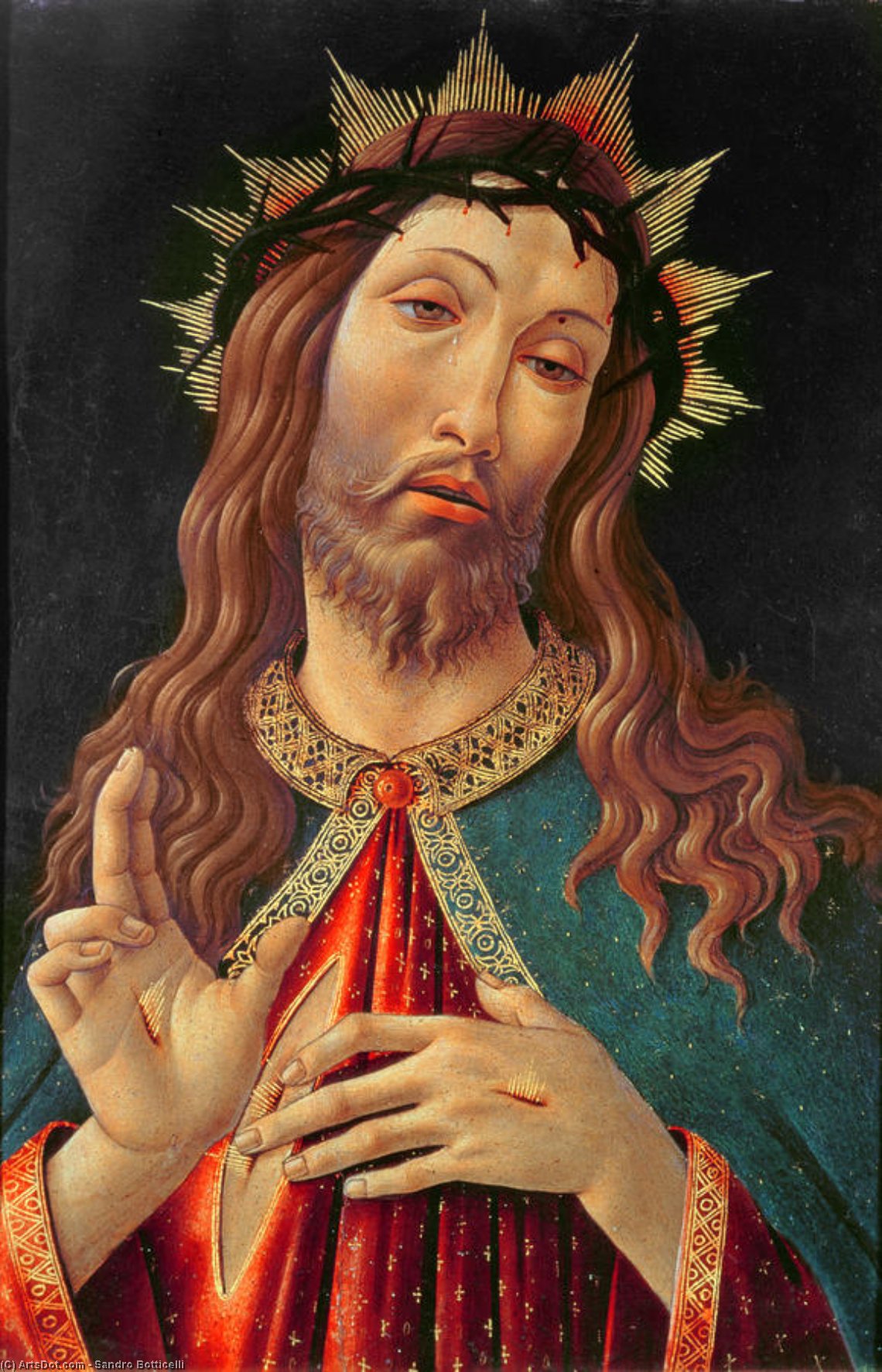
Sandro Botticelli's *Ecce Homo, Or The Redeemer* is not merely a painting; it’s a deeply resonant meditation on faith, sacrifice, and the poignant beauty of suffering. Emerging from the fertile artistic landscape of the Early Renaissance, this work captures the raw emotional core of Christ presented to humanity – a moment fraught with both sorrow and grace. While its precise origins remain shrouded in some mystery, the painting unequivocally bears the hallmarks of Botticelli’s distinctive style, revealing his masterful ability to blend classical elegance with profound spiritual devotion. The artwork invites us into a contemplative space, urging a visceral connection with the figure before us and prompting reflection on the weight of redemption.
The Language of Line and Light
Botticelli's artistic prowess is immediately apparent in the delicate rendering of *Ecce Homo*. He was renowned for his graceful linearity – a stylistic bridge between the fading Gothic traditions and the burgeoning Renaissance emphasis on realism. This skill manifests beautifully here, evident in the subtly defined musculature of Christ’s form, the flowing cascade of His hair, and the exquisitely draped fabric that clings to His body. The artist's command of oil on panel is equally impressive; colors are blended with a seamless fluidity, creating subtle tonal gradations that imbue the figure with volume and a remarkable sense of presence. The composition deliberately limits depth of field, focusing our entire attention on Christ’s immediate physicality, intensifying the emotional impact of His plight. Crucially, Botticelli employs *chiaroscuro* – the dramatic interplay of light and shadow – to sculpt the form, highlighting key features and casting evocative shadows that deepen the sense of three-dimensionality and underscore the gravity of the scene.
Symbolism Woven into Devotion
Every element within *Ecce Homo* is imbued with symbolic weight. The most striking feature, undoubtedly, is the crown of thorns – a potent emblem of Christ’s suffering and ultimate sacrifice for humankind. His raised hands are not simply gestures of pain; they simultaneously convey blessing and offering—an invitation to faith and the promise of redemption. The subtly rendered halo serves as a quiet affirmation of His divinity. These symbols aren't merely decorative additions; they are integral to understanding the artwork’s devotional purpose, acting as visual cues that guide the viewer toward deeper contemplation. The dark, undefined background further isolates Christ, emphasizing his spiritual significance and drawing attention inward, to His internal state of grace amidst profound suffering. It is a deliberate artistic choice that amplifies the sense of isolation and vulnerability.
Botticelli and the Florentine Renaissance
Sandro Botticelli (1445-1510) was a leading light in the vibrant artistic milieu of Florence during the Renaissance. Initially trained as a goldsmith, he quickly distinguished himself as a painter celebrated for his lyrical style and captivating mythological subjects – masterpieces like *The Birth of Venus* and *Primavera*. However, Botticelli’s oeuvre extends far beyond these iconic works; he also produced numerous religious paintings, reflecting the deeply pious atmosphere that permeated Florence during his lifetime. His art often masterfully blended classical influences with Christian iconography, creating a unique visual language that resonated profoundly with patrons and viewers alike. While the exact dating of this particular *Ecce Homo* remains unknown, its stylistic characteristics align seamlessly with Botticelli’s broader artistic production, showcasing his unwavering commitment to both aesthetic beauty and spiritual depth. The painting stands as a testament to an era defined by intellectual curiosity, artistic innovation, and a renewed focus on humanism within a religious framework.
A Timeless Resonance for Modern Spaces
*Ecce Homo, Or The Redeemer* evokes a profound sense of empathy and reverence that transcends time. Its subdued palette and contemplative mood make it particularly well-suited for spaces dedicated to reflection – a library, study, or chapel. Its vertical orientation lends itself beautifully to hallways or as a focal point above a fireplace. The artwork’s rich textures and subtle colors complement both traditional and contemporary interiors with equal grace. To enhance its spiritual atmosphere, consider pairing it with muted tones and natural materials. Whether appreciated for its artistic merit, religious significance, or sheer emotional power, this Botticelli-inspired work is a compelling addition to any collection – a lasting tribute to the enduring legacy of the Renaissance and the timeless themes of faith, suffering, and redemption.