Discover Sandro Botticelli (1445-1510), Renaissance master of 'Birth of Venus' & 'Primavera'. Explore his elegant style, mythological themes, and lasting influence on art history!
Explore art history at the Philadelphia Museum of Art! Discover iconic masterpieces, architectural marvels & engaging exhibitions – experience art like never before with stunning reproductions.
A Portrait Steeped in Renaissance Dignity: Sandro Botticelli’s Lorenzo di Ser Piero Lorenzi
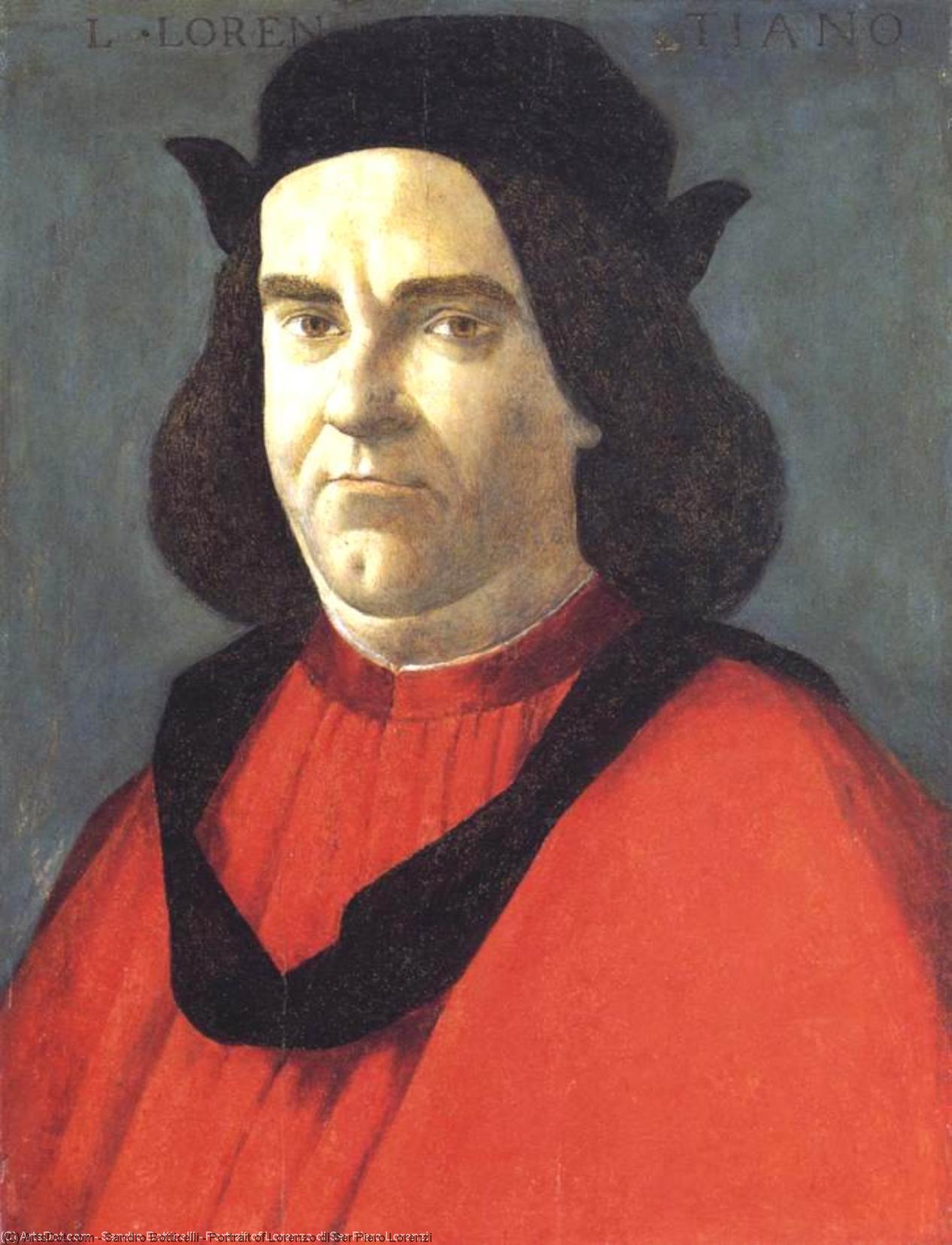
The painting “Portrait of Lorenzo di Ser Piero Lorenzi,” executed by Sandro Botticelli around 1490, stands as a quintessential emblem of the Florentine Early Renaissance—a period characterized by an unprecedented revival of classical ideals and artistic innovation. More than just a depiction of an individual, this artwork embodies the humanist spirit that permeated Florence during Lorenzo de Medici’s reign, reflecting a profound fascination with human beauty and intellect alongside deep religious devotion. Botticelli's masterful handling of tempera paint on wood elevates it beyond mere representation; it achieves a luminous quality that captures not only physical likeness but also an intangible aura of nobility and contemplation.
The Artist’s Vision: Botticelli’s Technique and Style
Botticelli, trained initially under Fra Filippo Lippi—a sculptor and painter deeply influenced by Donatello—developed a distinctive artistic style marked by graceful lines, delicate coloration, and an idealized portrayal of the human form. Unlike the monumental sculptures of Michelangelo or Leonardo da Vinci, Botticelli favored a softer aesthetic, prioritizing elegance and harmony over dramatic musculature. His approach to tempera paint is particularly noteworthy. Tempera involves mixing pigment with egg yolk—a technique that produces exceptionally vibrant colors and remarkable durability. The resulting surface possesses an unparalleled sheen and luminosity, achieved through meticulous layering of translucent glazes—a hallmark of Botticelli’s artistic prowess. This painstaking process ensured that the portrait retained its brilliance across centuries.
Historical Context: Lorenzo di Ser Piero Lorenzi – A Noble Patron
Lorenzo di Ser Piero Lorenzi himself was a prominent Florentine banker and diplomat, representing the burgeoning wealth and influence of the Medicis—the ruling family who championed artistic patronage during Botticelli’s lifetime. The commission for this portrait underscores the importance of humanist ideals within Florentine society; Lorenzo's status as a learned man and respected citizen demanded an image that conveyed both intellectual sophistication and moral virtue. Botticelli skillfully captured these qualities, presenting Lorenzi with serene composure—his gaze directed outwards, suggesting introspection and awareness of his surroundings.
Symbolism Within the Frame: Colors and Composition
The painting’s color palette is deliberately restrained yet impactful. The dominant hue – a rich crimson robe – symbolizes royalty and piety, reflecting Lorenzo's noble lineage and devotion to the Catholic Church. The black collar reinforces this symbolism, signifying solemnity and spiritual authority. Furthermore, Botticelli employs a balanced compositional arrangement—the figure positioned centrally against a subtly textured sky—creating a sense of stability and grandeur. This technique aligns with Renaissance artistic conventions aimed at conveying harmony and order.
Emotional Resonance: Capturing the Essence of Dignified Presence
Ultimately, “Portrait of Lorenzo di Ser Piero Lorenzi” transcends mere visual representation; it succeeds in communicating an emotional depth rarely achieved in portraiture of its time. Botticelli’s depiction captures not just Lorenzo's physical appearance but also his inner spirit—a quiet dignity and contemplative gaze that speaks to the humanist preoccupation with human intellect and moral virtue. It remains a testament to Botticelli’s ability to transform pigment and brushstrokes into an enduring symbol of Renaissance artistry and noble character.