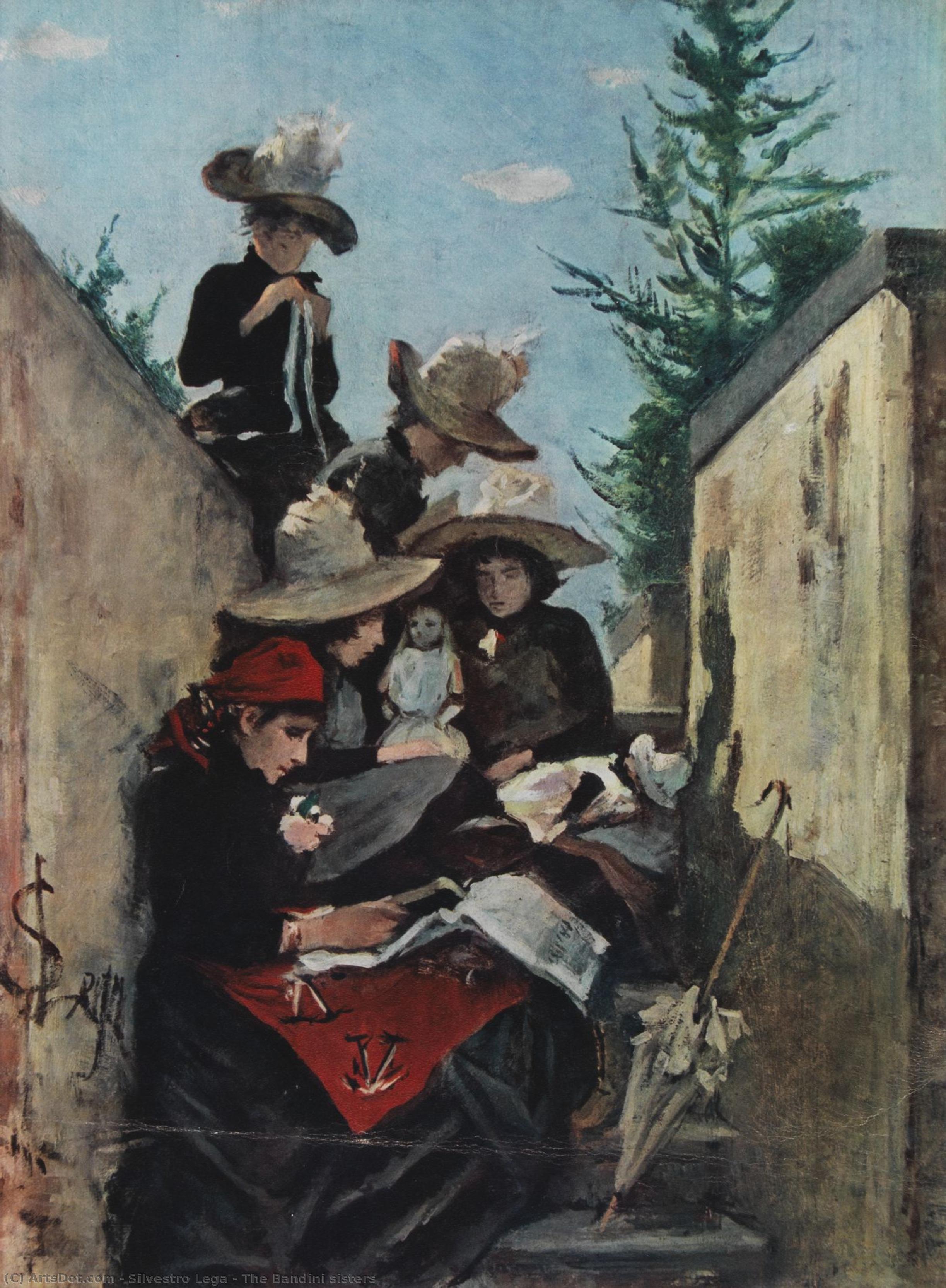
Silvestro Lega’s “The Bandini Sisters”: A Window Into Italian Realism
“The Bandini Sisters,” painted by Silvestro Lega in 1890, stands as a cornerstone of Macchiaioli art—a movement that championed direct observation and rejection of academic conventions. More than just a depiction of three women seated before a stone wall, the painting embodies Lega’s unwavering commitment to portraying everyday life with unflinching honesty and capturing the subtle nuances of human emotion.
Subject Matter: Domestic Tranquility
The scene unfolds within a simple interior—a stone wall serving as backdrop for the central figures. Three sisters are positioned thoughtfully, each absorbed in reading a book. This deliberate choice of subject matter speaks to Lega’s fascination with portraying domestic life and familial bonds during the Italian Risorgimento – the unification movement that reshaped Italy.
Style and Technique: Impressionistic Brushstrokes
Lega's artistic approach aligns perfectly with Impressionism, characterized by loose brushstrokes and a focus on capturing fleeting moments of light and shadow. Unlike traditional painters who meticulously blended colors to achieve smooth surfaces, Lega employed visible pigment marks—a technique known as “macchiaiolo”—to convey texture and vibrancy. These expressive strokes imbue the painting with a palpable sense of movement, suggesting that time itself is passing within this quiet tableau.
Color Palette: Earth Tones and Subtle Contrasts
The color palette predominantly utilizes earthy tones—browns, ochres, and muted greens—creating a harmonious blend with the stone wall. However, Lega introduces subtle splashes of blue and green into the composition, adding depth and visual interest without overwhelming the overall mood. These colors aren't merely decorative; they contribute to the painting’s emotional resonance by reflecting the natural world surrounding the sisters.
Historical Context: The Macchiaioli Movement
Silvestro Lega was a pivotal figure in the Macchiaioli movement, which emerged in Tuscany during the late 1880s. Rejecting academic idealism and prioritizing direct observation of nature and human experience, the Macchiaioli sought to depict reality as it appeared to the eye—warts and all. “The Bandini Sisters” exemplifies this ethos, representing a significant departure from prevailing artistic trends of its time.
Symbolism: Reflection and Introspection
Beyond its visual beauty, “The Bandini Sisters” carries symbolic weight. The open book symbolizes knowledge, contemplation, and the importance of intellectual pursuits—values central to the Risorgimento era. Furthermore, the sisters’ posture conveys a sense of quiet introspection, inviting viewers to consider themes of family, tradition, and the passage of time. Lega's masterful execution elevates this seemingly simple scene into a profound meditation on human existence.
Emotional Impact: A Moment Frozen in Time
Ultimately, “The Bandini Sisters” succeeds in capturing a moment of serene domestic tranquility—a snapshot of ordinary life imbued with beauty and emotion. Lega’s skillful use of light and color, combined with his expressive brushstrokes, evokes feelings of warmth, comfort, and contemplation. It remains a testament to the enduring power of realism to illuminate the human spirit.