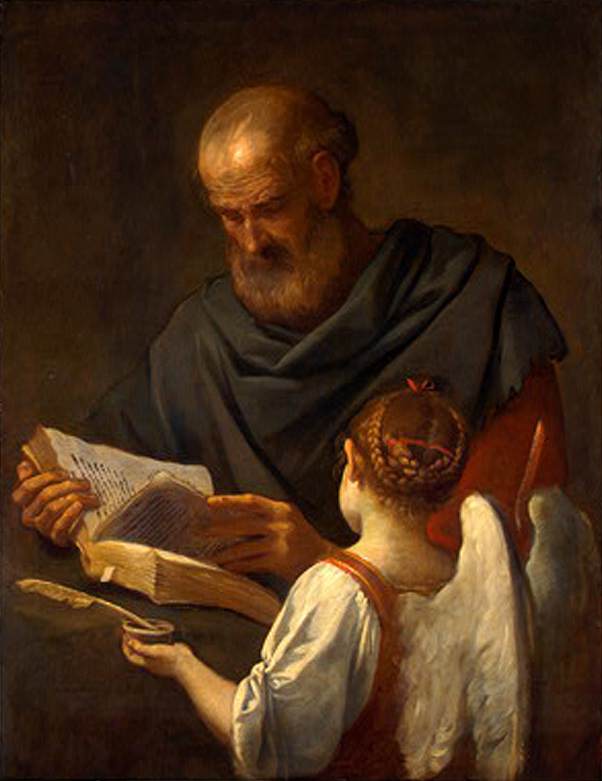
Experience Caravaggistic drama meeting Bolognese grace in Simone Cantarini's Saint Matthew and the Angel (1645); discover this Baroque masterpiece today.
Discover Simone Cantarini (1612-1648), an Italian Baroque painter blending Bolognese classicism & naturalism. Renowned for striking history paintings, portraits, and delicate etchings—a student of Guido Reni.
Explore the National Gallery of Art in Washington D.C.! Discover masterpieces from Renaissance to modern art, including works by Raphael, Van Gogh & more. Free admission!
Simone Cantarini: Bridging Bolognese Classicism and Caravaggistic Drama
Simone Cantarini (1612 – 1648), born in Pesaro, represents a fascinating crossroads within the Italian Baroque—a painter who defied easy categorization, synthesizing influences from Bologna’s refined classical tradition with the visceral energy of Caravaggio's dramatic naturalism. While biographical details remain sparse, his prodigious talent and unwavering dedication to mastering his craft are undeniable, evidenced by his prolific output across various mediums, including history paintings, portraits, and etchings. His father, Girolamo Cantarini, a prosperous merchant, fostered Simone’s artistic pursuits, providing him with both financial stability and exposure to intellectual currents circulating in Pesaro’s cultural landscape.
A Synthesis of Styles: Bolognese Influence and Venetian Naturalism
Cantarini's formative years were spent primarily in Bologna, where he studied under Guido Reni—a pivotal figure who championed a humanist aesthetic rooted in idealized forms and serene compositions. This Bolognese sensibility profoundly shaped Cantarini’s artistic vision, informing his meticulous attention to detail and his commitment to achieving visual harmony. However, Cantarini wasn't merely replicating established conventions; he actively engaged in dialogue with Venetian artists like Tintoretto and Veronese, absorbing their penchant for theatrical lighting and dynamic spatial arrangements—elements that would later characterize his own distinctive style. This blending of Bolognese classicism and Venetian naturalism distinguishes Cantarini from many of his contemporaries, establishing him as a truly innovative artist.
The Dramatic Power of Caravaggism
Perhaps the most significant influence on Cantarini’s oeuvre was Caravaggio—whose revolutionary technique of *tenebrismo*, characterized by stark contrasts between light and darkness, captivated audiences across Europe. Caravaggio's uncompromising realism and expressive use of chiaroscuro profoundly impacted Cantarini’s approach to painting, prompting him to adopt similar dramatic devices in his compositions. This stylistic appropriation is particularly evident in works depicting biblical narratives—where Cantarini skillfully employs tenebrismo to heighten emotional intensity and convey a sense of spiritual urgency. The resulting images resonate with palpable pathos, capturing the psychological complexities inherent in human experience.
Saint Matthew and the Angel: A Portrait Steeped in Symbolism
Consider Simone Cantarini’s “Saint Matthew and the Angel,” completed around 1645-48. This monumental history painting exemplifies Cantarini's masterful synthesis of artistic styles, demonstrating his ability to convey profound theological ideas through visual eloquence. The composition—featuring Saint Matthew illuminated by a radiant halo—is meticulously crafted according to Bolognese principles of balance and proportion. Yet, Caravaggistic drama permeates the scene, achieved through dramatic lighting that casts deep shadows across Matthew’s face and drapery, emphasizing his vulnerability and conveying a sense of solemn contemplation. The angel's outstretched hand symbolizes divine grace—a gesture of reassurance and compassion directed toward Matthew—underscoring the painting’s overarching theme of spiritual redemption.
A Legacy of Innovation
Simone Cantarini remains an artist whose work continues to inspire admiration for its technical brilliance and expressive depth. His brief but impactful career cemented his reputation as a pioneer of Baroque art, establishing him as one of Italy's most gifted painters—a figure who transcended stylistic boundaries and forged a path toward artistic innovation that resonates powerfully even today. The enduring fascination with “Saint Matthew and the Angel” testifies to Cantarini’s ability to capture not only visual beauty but also the profound emotional truths underlying human faith and spirituality.