A Testament to Grace: Simone Martini’s The Angel of the Annunciation
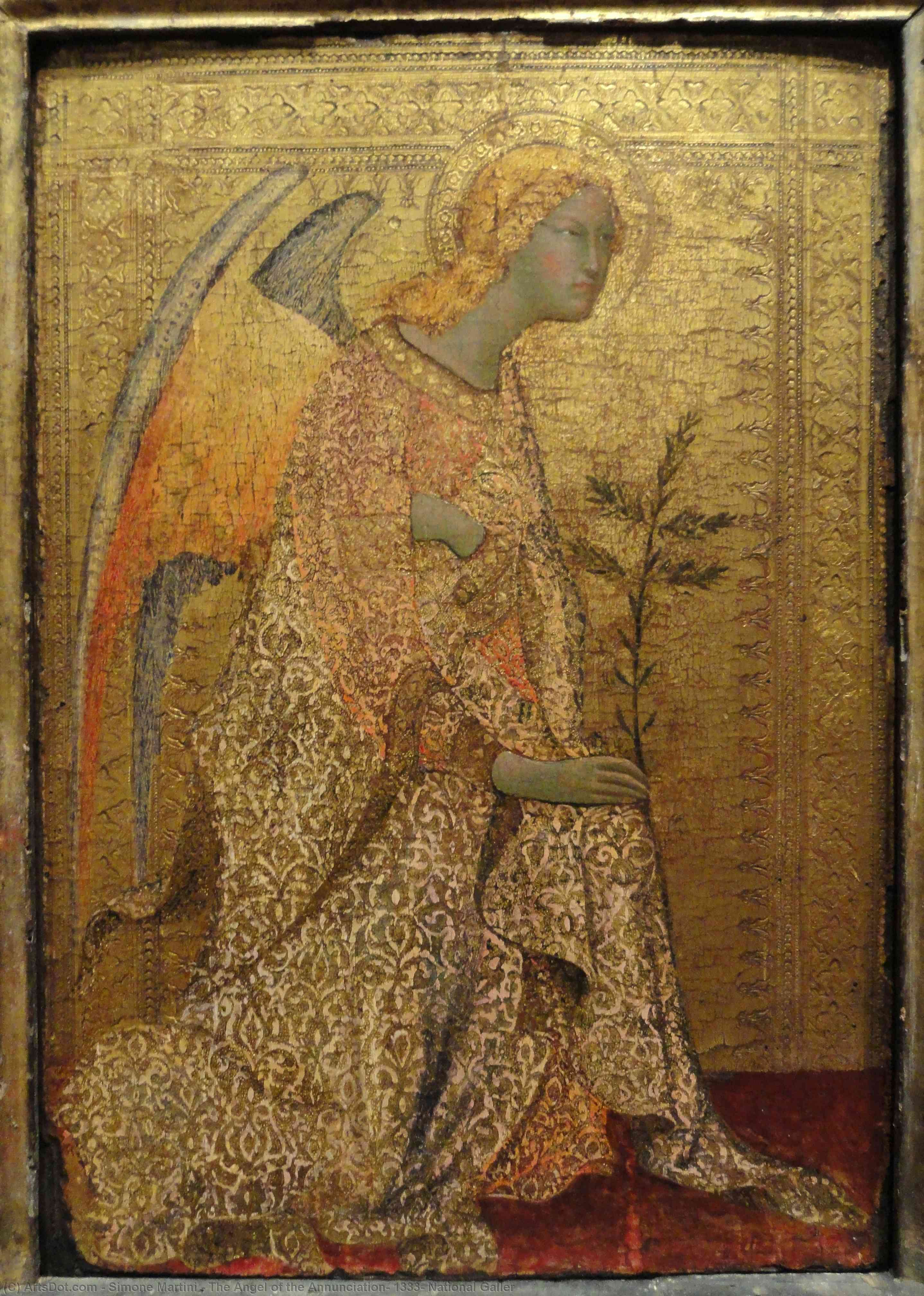
The painting “The Angel of the Annunciation,” created circa 1333 by Simone Martini, transcends mere depiction; it embodies the very essence of Sienese Gothic art and stands as a breathtaking achievement in artistic expression. This exquisite artwork resides within the National Gallery, London, where its luminous colors and meticulous detail continue to captivate audiences centuries after its creation. More than just a visual spectacle, it’s a profound meditation on faith and divine grace, meticulously crafted by Martini himself—a testament to his unparalleled skill as an artist and architect of beauty.
- Subject Matter: The central figure is an angel—specifically, a young woman—holding aloft a lily, symbolizing purity and virginity. This imagery aligns perfectly with the biblical narrative of Mary’s conception by the Holy Spirit, representing God's intervention in human history.
- Style & Technique: Martini’s style exemplifies the Florentine Gothic tradition, characterized by elongated figures, delicate drapery folds, and an emphasis on expressive detail. He employed tempera paint on ivory panel—a technique known for its luminosity and durability—resulting in a surface that glows with subtle hues of gold and brown.
Historical Context: Siena’s Artistic Zenith
Siena during Martini's lifetime was experiencing a remarkable resurgence of artistic patronage, fueled by the wealth generated from trade and banking. The city’s civic pride manifested itself in ambitious architectural projects—most notably the Duomo—and fostered an environment where artists like Martini could flourish. Furthermore, Martini’s work reflects the broader intellectual currents of the period, influenced by Scholastic philosophy and a renewed interest in classical ideals. However, unlike many other European cities at the time, Siena maintained its artistic independence, resisting the stylistic dominance of Florence.
- Symbolism: Beyond the lily’s obvious symbolism, Martini incorporates subtle visual cues that deepen the painting's spiritual significance. The angel’s gaze directs upward toward heaven, reinforcing the theme of divine contemplation. The positioning of the figures—particularly the angel—suggests a hierarchical order reflecting Christian theology.
- Emotional Impact: “The Angel of the Annunciation” evokes a sense of serenity and reverence. Martini's masterful use of color and line creates an atmosphere of ethereal beauty, inviting viewers to contemplate the miracle of divine grace and Mary’s unwavering faith.
A Legacy Enduring Beauty
Simone Martini’s “The Angel of the Annunciation” remains a cornerstone of Gothic art history. Its influence can be seen in subsequent artistic endeavors, demonstrating its enduring power to inspire awe and admiration. Today, reproductions crafted with meticulous attention to detail offer collectors and interior designers alike the opportunity to experience this masterpiece firsthand—capturing not only its visual splendor but also the profound spiritual message conveyed by Martini’s genius. It serves as a poignant reminder of Siena's artistic heritage and Martini’s indelible contribution to the canon of Western art.