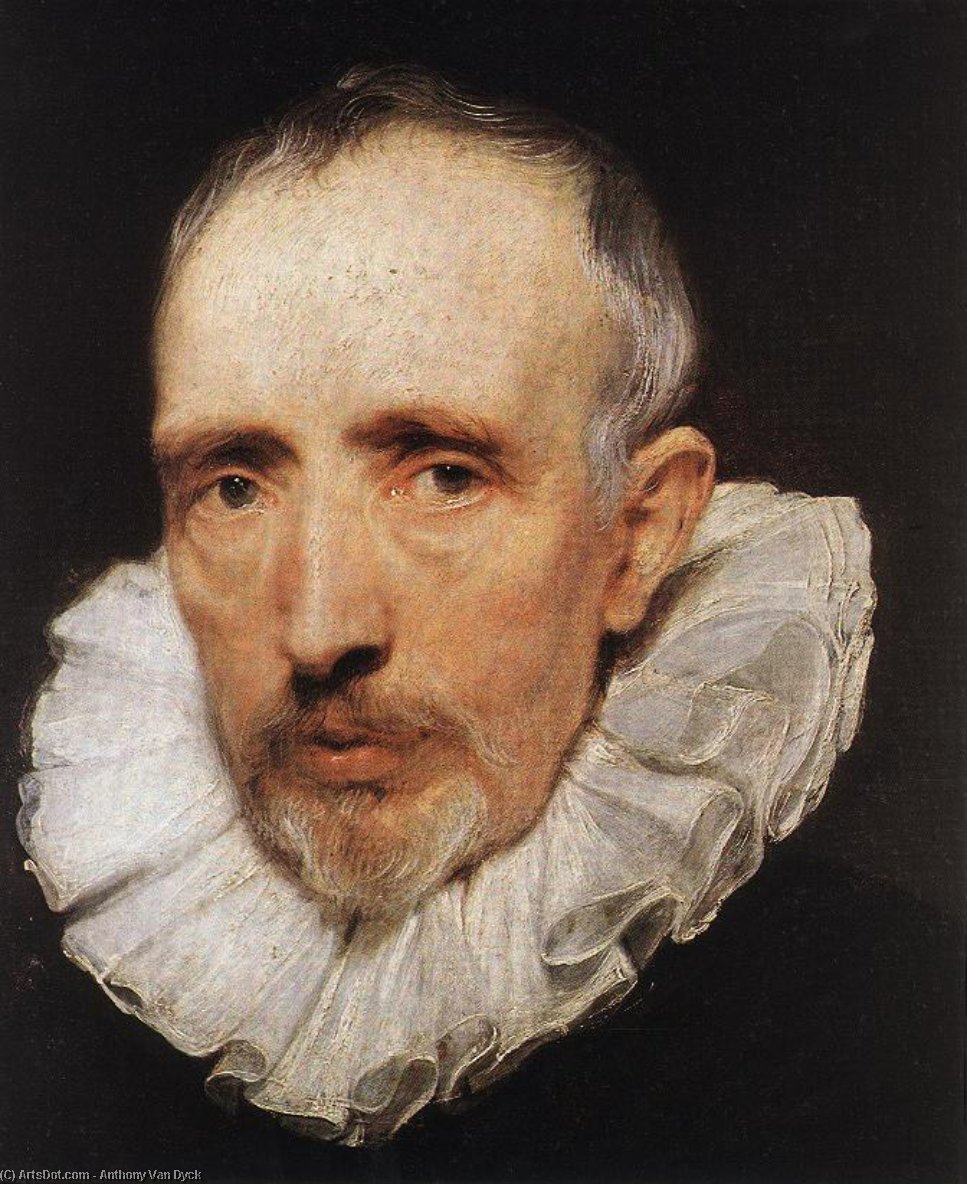
Admire Sir Anthony van Dyck's masterful portrait of Cornelis van der Geest – a stunning example of Flemish Baroque art housed at the National Gallery, London. Explore Van Dyck’s refined style and technique.
Sir Anthony van Dyck (1599-1641): Master Flemish Baroque painter renowned for elegant portraits of European aristocracy & Charles I's court. Influential in English art, known for religious scenes & innovative style.
Explore European art from the 13th-19th centuries at London's National Gallery! Discover masterpieces by Van Gogh, Rembrandt & more – free entry!
A Portrait of Dignified Grace: Exploring Anthony van Dyck’s Cornelis van der Geest
The painting “Cornelis van der Geest” by Sir Anthony van Dyck stands as a quintessential emblem of Flemish Baroque artistry, embodying the era's preoccupation with idealized beauty and aristocratic grandeur. Completed in 1620, this oil on canvas masterpiece – measuring just 37 x 32 cm – currently resides within the hallowed halls of the National Gallery in London, offering visitors an intimate glimpse into a pivotal moment in artistic history. More than merely depicting a man’s likeness, Van Dyck's work delves into the psychological complexities inherent in portraiture, capturing not just appearance but also character and status.
Style and Technique: Mastering Light and Shadow
Van Dyck’s distinctive style is immediately recognizable through his masterful manipulation of light and shadow – techniques honed during his formative years under Peter Paul Rubens. Unlike many contemporaries who favored dramatic chiaroscuro effects, Van Dyck employed a softer, more nuanced illumination that lends an air of serenity to the scene. This subtle gradation creates depth and dimensionality within the portrait, highlighting the contours of Van der Geest’s face and clothing with remarkable precision. The artist meticulously blended pigments using glazing techniques—a hallmark of Flemish Baroque painting—resulting in luminous colors that shimmer subtly on the canvas surface. Observe how the light catches the folds of the ruffled collar and illuminates the man's gaze, conveying a sense of quiet contemplation.
Historical Context: The Courtly Ideal
The painting emerged during a period of immense artistic innovation and patronage within Europe’s royal courts. Antwerp, Van Dyck’s birthplace, was a thriving center for artistic production, fueled by the wealth generated from trade and craftsmanship. However, it was London that cemented Van Dyck's reputation as a court artist, securing commissions from James I and Charles I – figures who championed humanist ideals and sought to elevate their image through art. “Cornelis van der Geest” exemplifies this trend, reflecting the aristocratic fascination with refined manners and dignified composure. The pose itself—slightly turned, hand resting on his thigh—is characteristic of portraiture during this era, conveying an impression of self-assuredness and cultivated intellect.
Symbolism: Layers of Meaning Beyond Appearance
Beyond its visual splendor, “Cornelis van der Geest” is laden with symbolic significance. The ruffled collar, a fashionable accessory at the time, represents status and nobility—a deliberate choice by Van Dyck to emphasize Van der Geest’s position within society. Similarly, the beard and mustache – though seemingly simple details – were considered emblems of masculinity and wisdom during the Baroque period. Furthermore, the downward gaze suggests introspection and thoughtfulness, hinting at a deeper psychological portrait beyond mere physical representation. These subtle gestures contribute to the painting's enduring appeal, inviting viewers to contemplate not just what is seen but also what lies beneath the surface.
Emotional Impact: Capturing Inner Dignity
Ultimately, “Cornelis van der Geest” succeeds in conveying an extraordinary sense of inner dignity and composure. Van Dyck’s skill in capturing the subtleties of human emotion—expressed primarily through gaze and posture—elevates the portrait beyond a mere likeness. The painting speaks to the viewer with quiet confidence, suggesting a man who possesses both intellect and moral fortitude. It's a testament to Van Dyck’s ability to transform pigment and canvas into an enduring symbol of aristocratic grace – a piece that continues to inspire admiration centuries after its creation.