The Vision of Lamentation
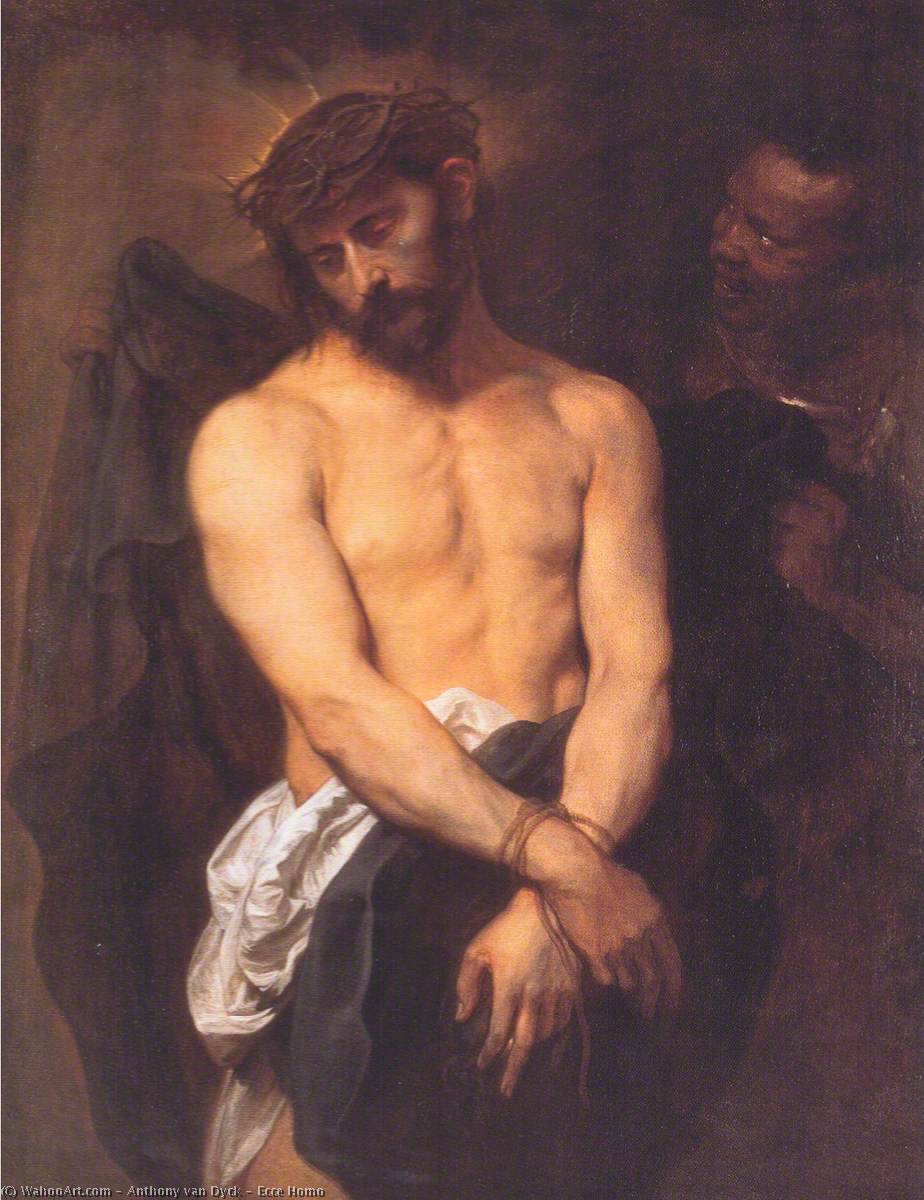
Sir Anthony van Dyck’s “Ecce Homo,” painted circa 1625-1626, is not merely a depiction of Christ before Pilate; it's an intensely human portrayal of sorrow, humility, and the profound weight of sacrifice. Born in Antwerp during a period of artistic ferment, Van Dyck inherited a rich tradition of religious painting while simultaneously forging his own distinctive style—one characterized by elegant composition, masterful use of light, and a remarkable ability to capture psychological depth. This particular work, housed within the Barber Institute of Fine Arts in Birmingham, stands as a testament to his skill and a poignant meditation on faith and humanity.
The scene itself is strikingly direct. Jesus, rendered with an almost sculptural quality, is presented before Pontius Pilate – though Pilate himself remains largely absent, a deliberate choice that forces the viewer to confront the suffering of Christ directly. The figure’s posture—arms outstretched in what appears to be both resignation and quiet defiance—is instantly recognizable as the archetype of Christian martyrdom. The stark contrast between the luminous quality of Jesus' face and the shadowed background immediately draws attention to his emotional state, conveying a sense of profound grief and acceptance.
Baroque Drama and Psychological Insight
Van Dyck’s approach is firmly rooted in the Baroque period, yet he transcends mere stylistic imitation. He employs dramatic lighting—a chiaroscuro technique reminiscent of Caravaggio—to sculpt the figures and heighten the emotional intensity. The deep shadows surrounding Christ emphasize his vulnerability, while the subtle highlights illuminate his face, revealing a quiet strength amidst overwhelming sorrow. This masterful manipulation of light isn’t simply aesthetic; it serves to draw the viewer into the scene, inviting them to contemplate the weight of Christ's sacrifice.
Crucially, Van Dyck avoids sentimentality. He doesn’t indulge in theatrical gestures or overly dramatic expressions. Instead, he focuses on conveying a sense of inner turmoil—a quiet dignity and profound sadness that speaks volumes about the man who bore the burden of humanity’s sins. The subtle details – the folds of his robe, the lines etched into his face – all contribute to this remarkable portrayal of psychological realism.
Symbolism and Historical Context
The “Ecce Homo” scene itself carries significant symbolic weight. Derived from John 19:5, it represents the moment when Pilate presents Jesus to a hostile crowd as their King, effectively acknowledging his innocence while simultaneously condemning him to death. The act is deeply ironic—a testament to the indifference of power and the tragic consequences of injustice. Van Dyck’s painting serves as a powerful reminder of the historical context in which this event unfolded – a time of political turmoil, religious conflict, and profound moral questions.
Furthermore, the image resonates with broader theological themes—the concept of redemption through suffering, the sacrifice of innocence for the salvation of humanity. Van Dyck’s masterful execution elevates this complex narrative into a timeless meditation on faith, compassion, and the enduring power of human spirit.
A Legacy in Reproduction
Today, “Ecce Homo” continues to captivate audiences with its emotional resonance and artistic merit. ArtsDot offers meticulously crafted reproductions that faithfully capture the painting’s original beauty and depth. Whether displayed in a grand salon or a smaller private space, this iconic image serves as a poignant reminder of humanity's capacity for both suffering and grace—a timeless testament to one of history’s greatest artists.