A Gaze Through Time: The Psychological Depth of Van Dyck
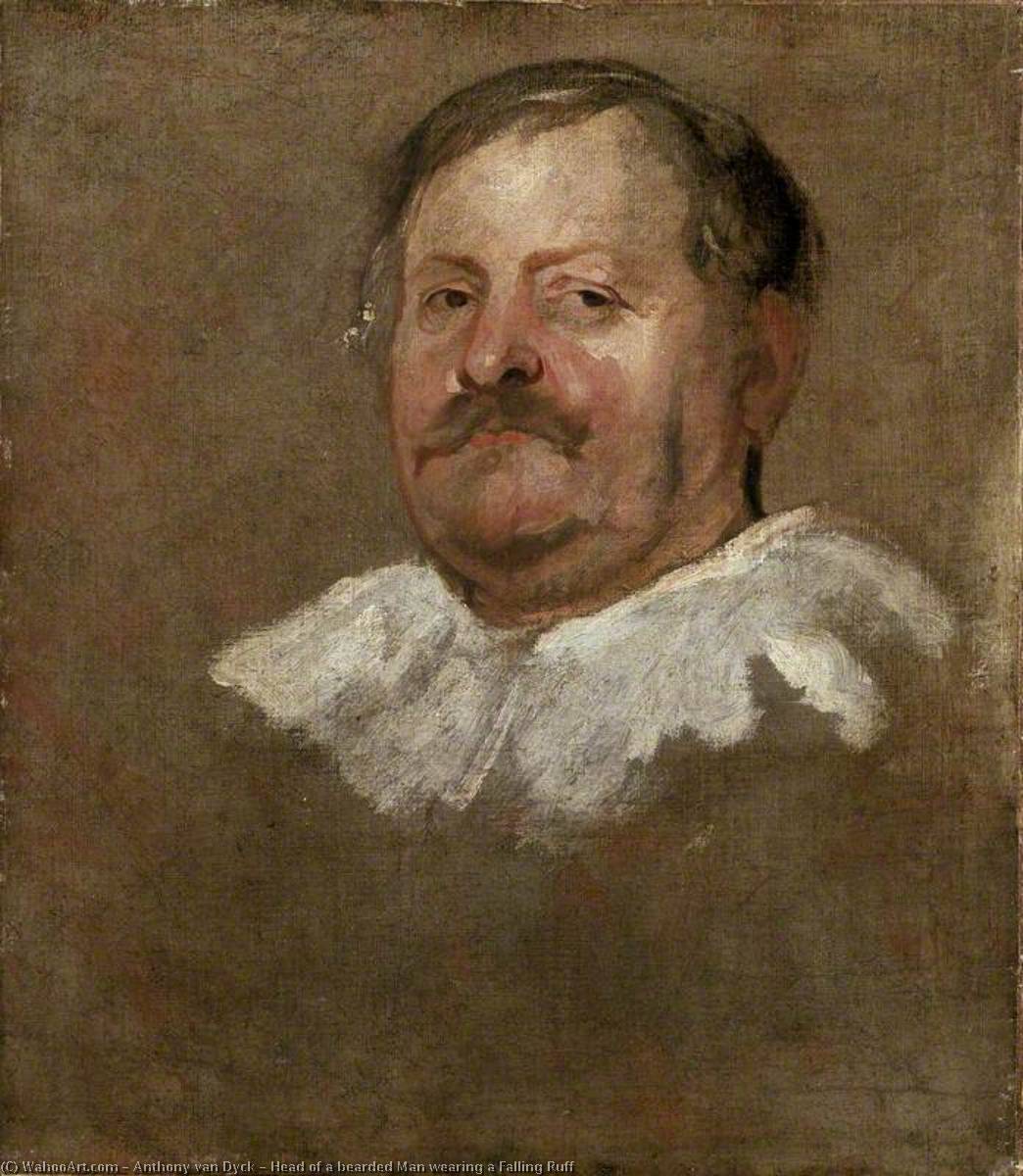
In the quiet corridors of the Ashmolean Museum, there exists a window into the soul of the seventeenth century, captured through the masterful brush of Sir Anthony van Dyck. His “Head of a Sobriquet Man Wearing a Falling Ruff” is far more than a mere anatomical study; it is a profound encounter with a living presence. Painted around 1630, this portrait serves as a breathtaking exemplar of Baroque portraiture, a period where the goal of the artist was to transcend the physical likeness and touch the very essence of the sitter’s character. As you gaze upon the man's dignified countenance, his eyes—wide with a subtle blend of curiosity and unwavering assurance—seem to bridge the centuries, establishing an intimate, almost startling connection with the modern viewer.
The composition is a masterclass in focused intensity. By presenting the subject against a muted, atmospheric background, Van Dyck strips away the distractions of worldly surroundings, forcing our attention onto the interplay of light and human emotion. While the primary focus remains on the man's commanding presence, a secondary figure subtly emerges in the periphery, adding a layer of narrative complexity and depth that suggests a larger, unfolding story within the shadows. This deliberate use of space creates a sense of theatricality, inviting collectors and art enthusiasts to wonder about the identity and the silent conversations occurring just beyond the frame.
The Alchemy of Light and Texture
To behold this work is to witness the technical brilliance Van Dyck inherited from his mentor, Peter Paul Rubens, and subsequently refined into a more delicate, aristocratic elegance. The artist employs chiaroscuro—the dramatic tension between light and shadow—to sculpt the man's features with remarkable three-dimensionality. Through the meticulous application of thin, translucent oil glazes, Van Dyck achieves a luminous quality that makes the skin appear to pulse with warmth and life. Every nuance of the sitter’s weathered yet noble complexion is rendered with such precision that one can almost feel the texture of the beard and the softness of the light hitting his brow.
The tactile allure of the painting extends to the exquisite details of the attire, specifically the iconic falling ruff. This voluminous, lace-adorned collar, which drapes with a heavy, graceful weight, serves as a testament to the artist's ability to manipulate medium and light. The way the fabric catches the glow, contrasting against the darker tones of the man's clothing, provides a sensory richness that is essential for any high-quality reproduction. For the interior designer, such a piece offers an unparalleled opportunity to introduce a sense of historical opulence and textural complexity into a curated space, acting as a focal point that commands respect and admiration.
A Symbol of Nobility and Enduring Elegance
Beyond its aesthetic splendor, the painting is steeped in the social language of the Stuart era. The falling ruff was not merely a fashion choice; it was a potent symbol of wealth, status, and the burgeoning sophistication of the English court under Charles I. By capturing this specific sartorial detail, Van Dyck immortalized the very concept of sprezzatura—that studied nonchalance and effortless grace that defined the European aristocracy. The portrait functions as an emblem of power, yet it is softened by a human vulnerability, making it accessible and emotionally resonant for contemporary audiences.
For those seeking to adorn their homes or galleries with art that speaks of legacy and prestige, this work offers more than decoration; it offers an atmosphere. Whether placed in a sun-drenched study or a moody, classically styled salon, a reproduction of this masterpiece brings with it the weight of history and the refined beauty of the Flemish Baroque. It is an invitation to surround oneself with the quiet confidence of the past, ensuring that the elegance of Van Dyck’s vision continues to inspire generations to come.