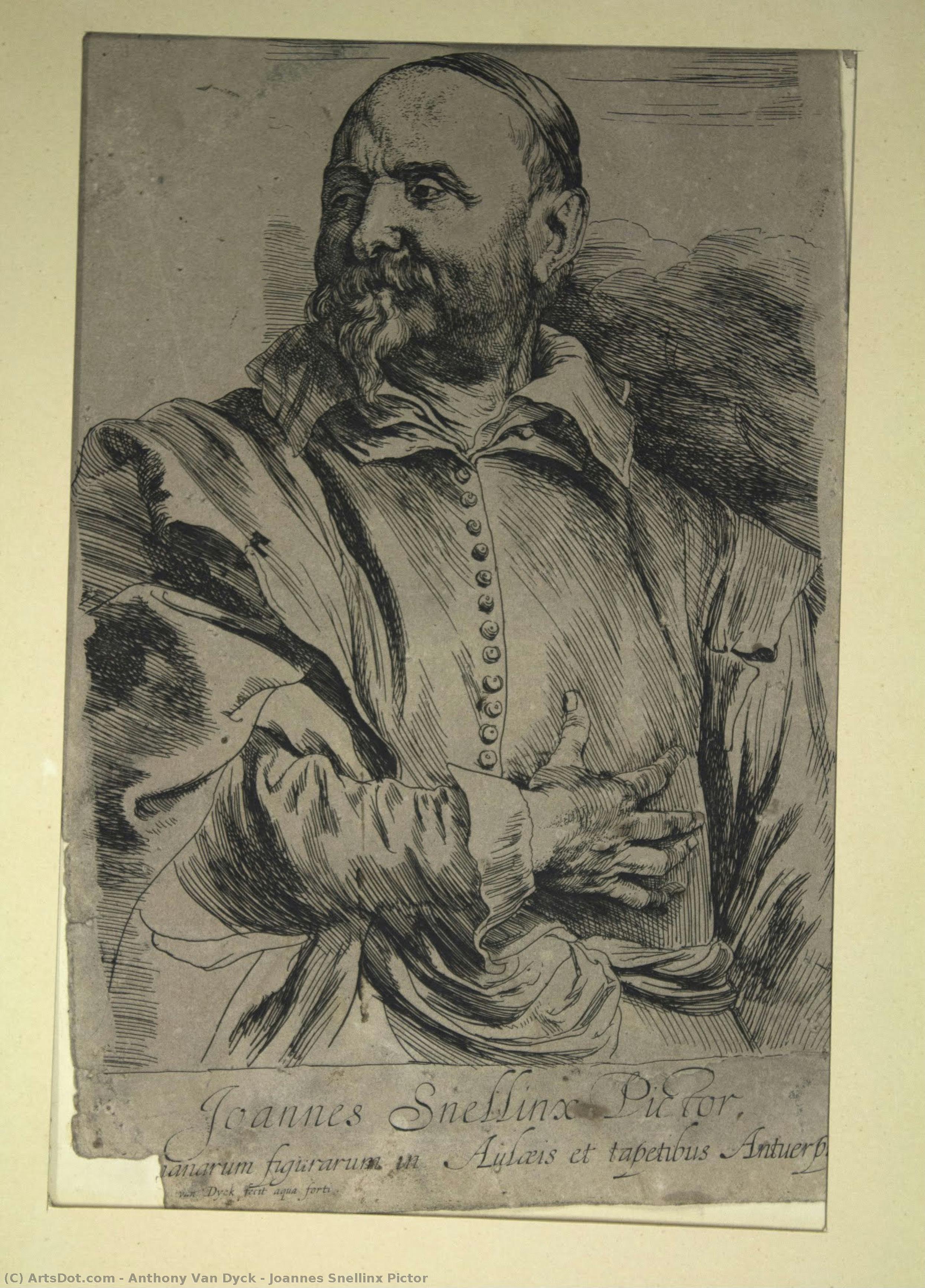
Sir Anthony van Dyck’s luminous ‘Joannes Snellinx Pictor,’ completed in 1641, captures the solemn beauty of Baroque portraiture with masterful light and contemplative gaze—a timeless masterpiece reflecting Elizabethan piety and showcasing Flemish artistic brilliance.
Joannes Snellinx Pictor: A Portrait of Faith and Elegance
Anthony van Dyck’s “Joannes Snellinx Pictor,” completed in 1641, stands as a testament to the Baroque mastery achieved by Flemish painter Sir Anthony van Dyck. More than just a depiction of a man—the pious Joannes Snellinx—it embodies the artistic ideals of its time: meticulous observation, refined composition, and masterful use of light to convey emotion and spiritual depth.
- Subject Matter: The painting portrays Joannes Snellinx, a priest known for his piety and devotion. His gaze downward suggests contemplation and introspection—a characteristic feature of Baroque portraiture intended to portray the sitter’s inner life alongside their outward appearance.
- Style & Technique: Van Dyck employed oil paint on canvas, utilizing a technique characterized by smooth blending and subtle gradations of color. This approach allowed him to achieve an unparalleled level of realism while simultaneously conveying a sense of ethereal beauty. The artist skillfully manipulated light—particularly diffused illumination—to sculpt the figure’s form and create a luminous atmosphere that enhances the solemn mood.
- Historical Context: Created during the reign of Charles I in England, “Joannes Snellinx Pictor” reflects the broader artistic trends of the period. Baroque art sought to inspire awe and reverence through dramatic imagery and emotive expression—themes prevalent in religious commissions during this era. Van Dyck’s work aligns with the prevailing aesthetic sensibilities of European courts eager to project power and prestige.
- Symbolism: The robe worn by Snellinx symbolizes piety and ecclesiastical authority, reflecting the importance of religion within Elizabethan society. Furthermore, the downward gaze is interpreted as a gesture of humility and spiritual contemplation—a deliberate choice intended to elevate the sitter’s status beyond mere physical representation.
The painting resides at the Faculty of Fine Arts of the Complutense University of Madrid (Madrid, Spain), ensuring its preservation for future generations. Its enduring appeal lies in Van Dyck's ability to capture not only a likeness but also the essence of human spirituality—a timeless achievement that continues to fascinate art historians and collectors alike.