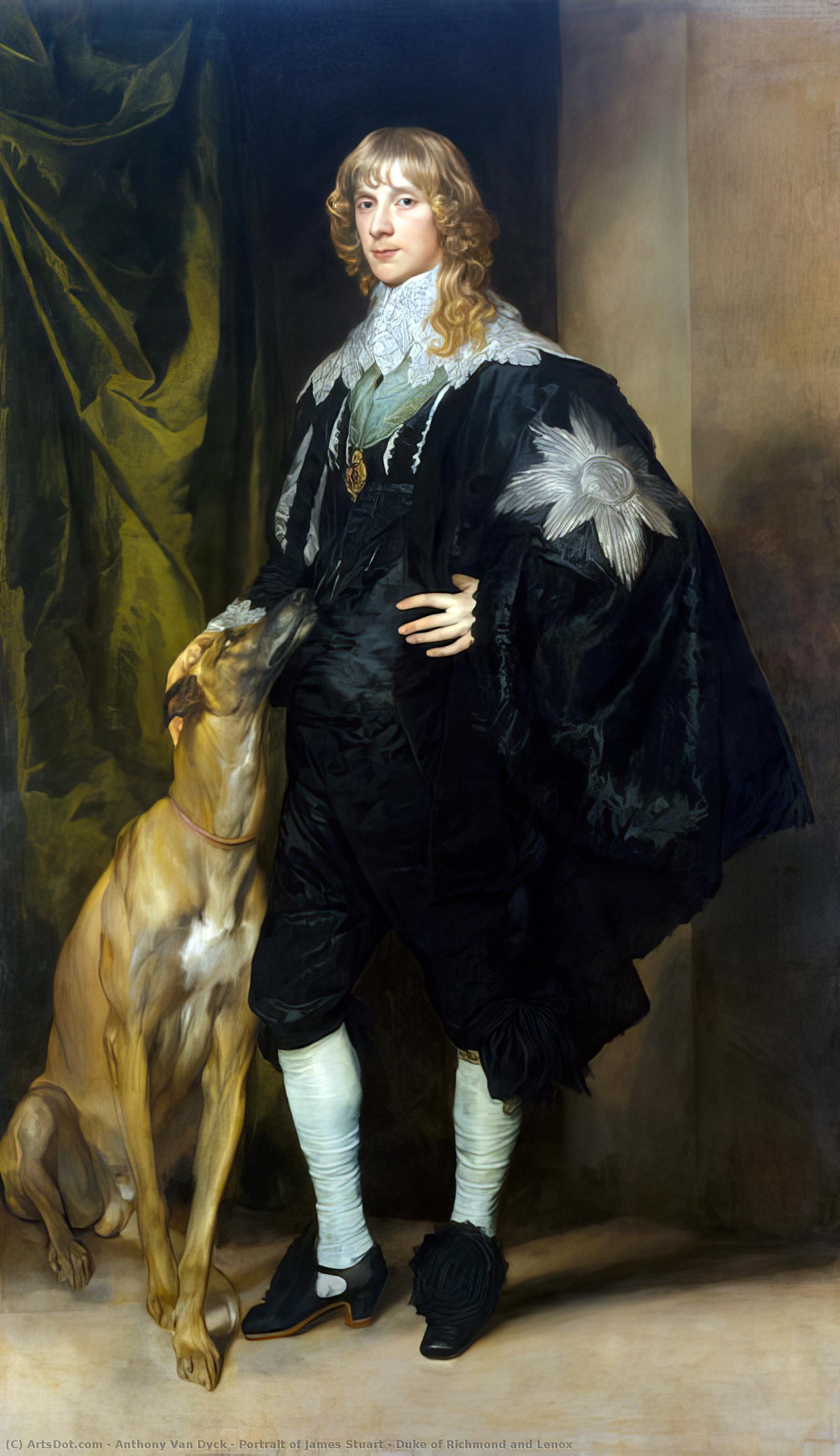
A regal Baroque masterpiece featuring the noble James Stuart by Sir Anthony van Dyck captures aristocratic dignity through luminous textures and dramatic light, inviting you to explore this timeless portrait of elegance.
Sir Anthony van Dyck (1599-1641): Master Flemish Baroque painter renowned for elegant portraits of European aristocracy & Charles I's court. Influential in English art, known for religious scenes & innovative style.
Explore The Metropolitan Museum of Art: 5,000 years of art from around the world! Discover masterpieces, ancient artifacts & immersive exhibitions – a global art destination awaits.
A Vision of Baroque Grandeur
The portrait of James Stuart, Duke of Richmond and Lenox, is far more than a mere likeness; it is a breathtaking window into the opulent, highly codified world of the seventeenth-century English aristocracy. Painted by the Flemish master Sir Anthony van Dyck between 1633 and 1635, this masterpiece serves as a cornerstone of Baroque portraiture. When one gazes upon the canvas, they are immediately struck by the profound sense of aristocratic dignity that radiates from the subject. Van Dyck does not simply record a face; he captures an essence—a blend of humanist contemplation and the unshakeable confidence of a man born into the highest echelons of power. The painting stands as a testament to an era where every fold of fabric, every subtle glance, and every accompanying symbol was meticulously orchestrated to communicate status, lineage, and virtue.
The Language of Nobility and Symbolism
Within this composition, Van Dyck employs a sophisticated visual vocabulary to reinforce the Duke's elevated social standing. The presence of the greyhound at Stuart's feet is a deliberate and masterful stroke of symbolism; traditionally associated with fidelity and nobility, the animal serves as a silent companion that mirrors the Duke’s own perceived virtues. Furthermore, the inclusion of the Order of the Garter—the most prestigious chivalric order in England—serves as a powerful political statement. Bestowed upon Stuart in 1633, this detail underscores his intimate connection to the royal court of Charles I and his recognized position within the social hierarchy. The interplay between the subject and his surroundings creates a narrative of legitimacy and grace, making the piece an irresistible focal point for any collection dedicated to historical splendor.
Mastery of Light and Texture
Technically, the portrait is a triumph of the Baroque style, characterized by its dramatic use of chiaroscuro. Van Dyck utilizes sharp contrasts between light and shadow to sculpt the Duke's form, lending a palpable three-dimensionality to his presence. The artist’s brushwork is nothing short of luminous, particularly in the rendering of the intricate textures that define the era's fashion. One can almost feel the weight of the heavy black coat and the delicate, airy touch of the white lace at the collar and cuffs. The meticulous attention to the sheen of silk and the soft fur of the greyhound demonstrates a level of realism that transcends the flat surface of the canvas. For the discerning collector or interior designer, these rich textures and deep, moody tones offer an unparalleled sense of depth, making a high-quality reproduction of this work a transformative element in any sophisticated interior space.
An Enduring Legacy for the Modern Collector
To possess a reproduction of this Van Dyck masterpiece is to invite the elegance of the Stuart dynasty into the contemporary home. The painting’s ability to evoke emotion—ranging from the quiet reverence of its subject to the dramatic flair of its execution—ensures it remains timeless. Whether placed in a grand library or as a statement piece in a refined living area, the portrait continues to inspire awe through its perfect balance of historical weight and aesthetic beauty. It is an investment in art history itself, offering a touch of royal majesty that transcends the centuries.