A Portrait of Dignified Authority: Sir Anthony van Dyck’s Nicolaes van der Borght
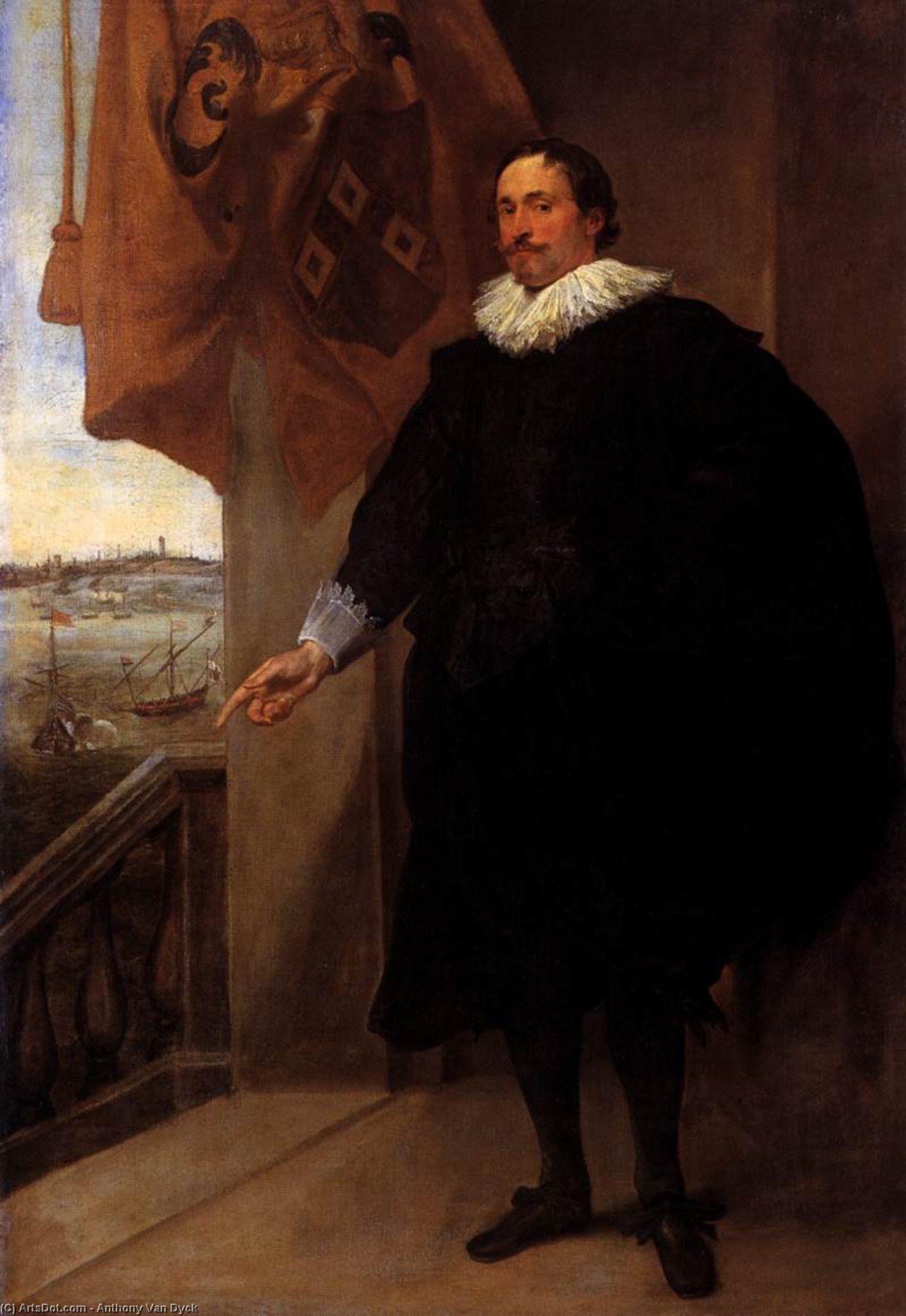
This meticulously rendered portrait, dating from 1620 and measuring 201 x 141 cm, offers a captivating glimpse into the world of early Baroque portraiture through the masterful hand of Sir Anthony van Dyck. The subject, Nicolaes van der Borght, is presented with an arresting sense of dignified authority, a hallmark of Van Dyck’s style and a reflection of the burgeoning civic pride prevalent in 17th-century Europe. The painting immediately draws the eye to the sitter's carefully constructed appearance – the dark coat, accentuated by the crisp white collar and elaborate ruffled shirt, speaks of wealth and status. The subtle yet deliberate beard and mustache contribute to an impression of seasoned wisdom and experience, qualities highly valued in portraiture during this period.
The Baroque Influence: Composition and Technique
- Dynamic Composition: Van Dyck’s influence is immediately apparent in the dynamic composition. The sitter isn't rigidly posed; instead, he possesses a natural, almost conversational stance, suggesting an engagement with the viewer – a key element of Baroque portraiture designed to foster intimacy and connection.
- Chiaroscuro Mastery: The artist’s skillful manipulation of light and shadow, known as *chiaroscuro*, dramatically enhances the subject's form and adds depth to the scene. Notice how the light falls across Van der Borght’s face, highlighting his features and creating a sense of three-dimensionality.
- Rich Color Palette: The use of rich, saturated colors – deep reds, blues, and browns – is characteristic of Van Dyck's palette and reflects the opulent tastes of the era. These colours were not merely decorative; they conveyed wealth and social standing.
Symbolism and Context: A Flag and a Maritime World
The inclusion of a flag in the background is particularly significant, adding layers of meaning to the portrait. Flags represented allegiance, patriotism, and often, military prowess – concepts highly relevant during a time of political upheaval and expansion. The presence of a distant boat further anchors the painting within its historical context, reflecting the importance of maritime trade and exploration that shaped Europe’s economic landscape in the 17th century. This detail suggests that Van der Borght may have been involved in these activities, or at least associated with them, reinforcing his status as a man of influence.
Van Dyck's Legacy: A Masterful Portraitist
Sir Anthony van Dyck’s portrait of Nicolaes van der Borght stands as a testament to the artist’s exceptional talent and enduring legacy. Born in Antwerp in 1599, Van Dyck quickly rose to prominence as one of the most sought-after portraitists of his time, working for prominent figures across Europe – including the English court. His ability to capture not just physical likeness but also personality and character made his portraits highly desirable. This reproduction offers a unique opportunity to own a piece of art history, experiencing firsthand the elegance, sophistication, and emotional depth that defined Van Dyck’s remarkable career.