A Regal Presence: Unveiling Van Dyck’s Portrait of the Palatinate
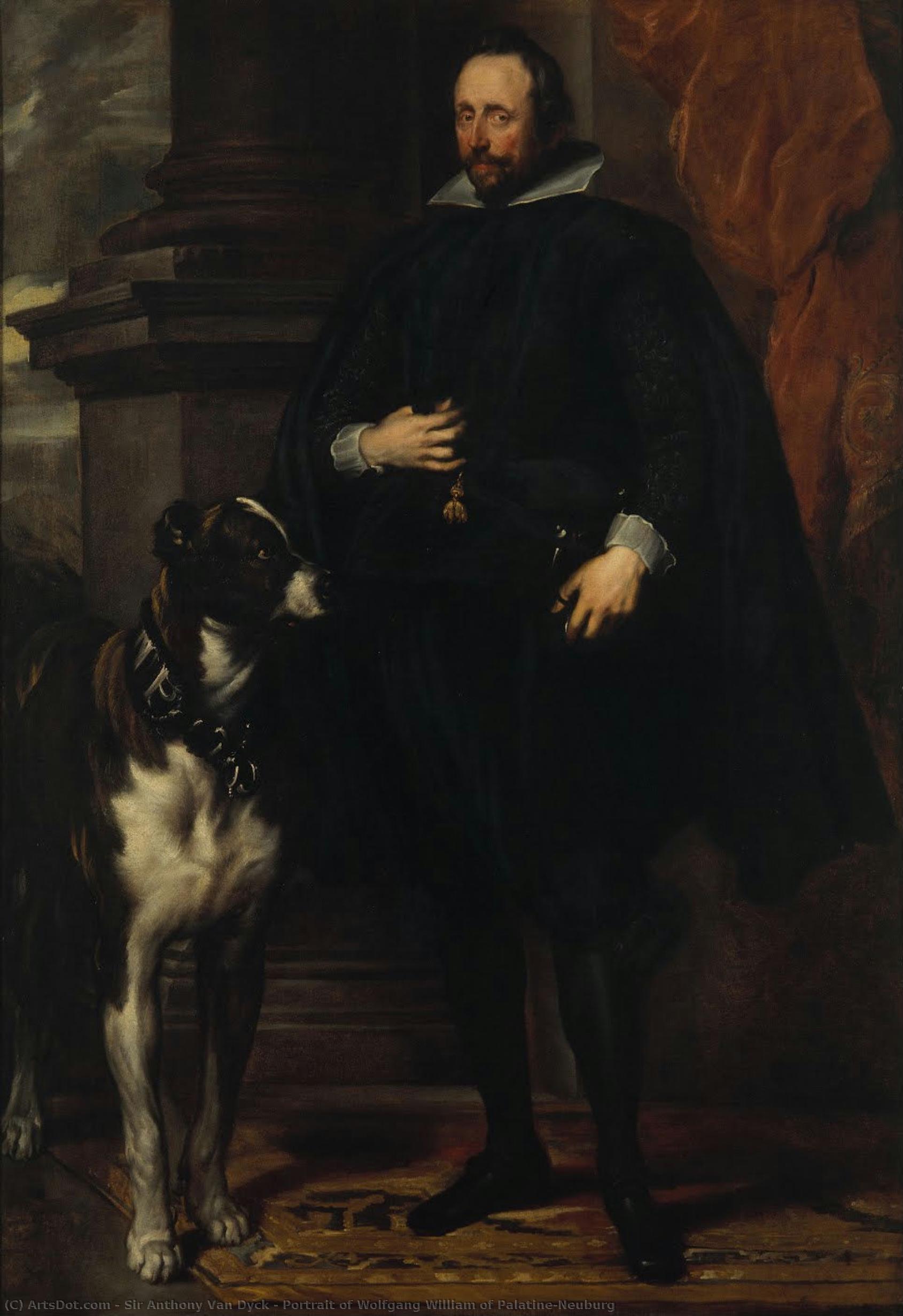
Anthony van Dyck's “Portrait of Wolfgang William of Palatine-Neuburg” is more than a simple likeness; it’s a carefully constructed tableau of power, lineage, and strategic self-representation. Painted in 1630 during a turbulent period of the Thirty Years’ War, this full-length portrait captures the essence of a young man navigating complex political landscapes – a count palatine, duke of Jülich-Berg, and a figure increasingly defined by his role as heir to significant territories. The painting speaks volumes about the ambitions and anxieties of its subject, offering a rare glimpse into the mind of a ruler striving for recognition amidst conflict.
Van Dyck’s masterful technique is immediately apparent. He employs a dramatic chiaroscuro – a stark contrast between light and shadow – to sculpt Wolfgang William's form, emphasizing his aristocratic bearing and projecting an aura of authority. The rich, velvety blacks of his clothing are offset by the luminous red drapery that frames him, creating a visual dynamism that draws the eye and reinforces his elevated status. The artist’s attention to detail is exquisite; from the meticulously rendered folds of fabric to the subtle nuances of expression on the count palatine's face, every element contributes to the overall sense of realism and grandeur.
Symbolism Woven into the Composition
Beyond mere portraiture, Van Dyck layers the image with potent symbolism. The sword grasped in Wolfgang William’s left hand is a clear emblem of military power and authority – a reminder of his role as a potential leader and protector. The Order of the Golden Fleece ribbon, draped across his right hand, signifies past honors and noble lineage, connecting him to a venerable European tradition. These symbols aren't merely decorative; they actively shape the narrative of the portrait, reinforcing the count palatine’s claim to prestige and influence.
The inclusion of the mastiff, positioned attentively beside the figure, is equally significant. This loyal canine embodies fidelity and obedience – virtues highly valued in a ruler. The initials “W P” emblazoned on the dog's collar further personalize the portrait, solidifying Wolfgang William’s identity as a distinct individual within his family line. The massive column behind him, a classical motif representing strength and stability, anchors the composition and underscores the enduring legacy he seeks to establish.
A Window into a Shifting Era
Painted during a period of intense political upheaval – Wolfgang William’s inheritance of the Duchy of Jülich and his conversion to Catholicism – this portrait reflects the complexities of his position. The artist skillfully balances elements of formality with subtle indications of vulnerability, hinting at the challenges faced by a ruler navigating religious divisions and territorial disputes. The numerous copies and variations produced demonstrate the count palatine’s strategic use of his image as a tool for disseminating his authority and projecting an aura of legitimacy across Europe.
Originally housed in the Alte Pinakothek in Munich, this work offers a compelling study of courtly portraiture and the art of self-representation. It stands as a testament to Van Dyck’s exceptional skill and his ability to capture not only the physical likeness of his subjects but also their inner character and aspirations. Today, reproductions allow us to appreciate the artistry and historical significance of this remarkable piece, offering a captivating glimpse into the world of 17th-century European nobility.