Sir Anthony van Dyck (1599-1641): Master Flemish Baroque painter renowned for elegant portraits of European aristocracy & Charles I's court. Influential in English art, known for religious scenes & innovative style.
Explore The Metropolitan Museum of Art: 5,000 years of art from around the world! Discover masterpieces, ancient artifacts & immersive exhibitions – a global art destination awaits.
A Portrait of Wisdom: Exploring Van Dyck’s Study Head
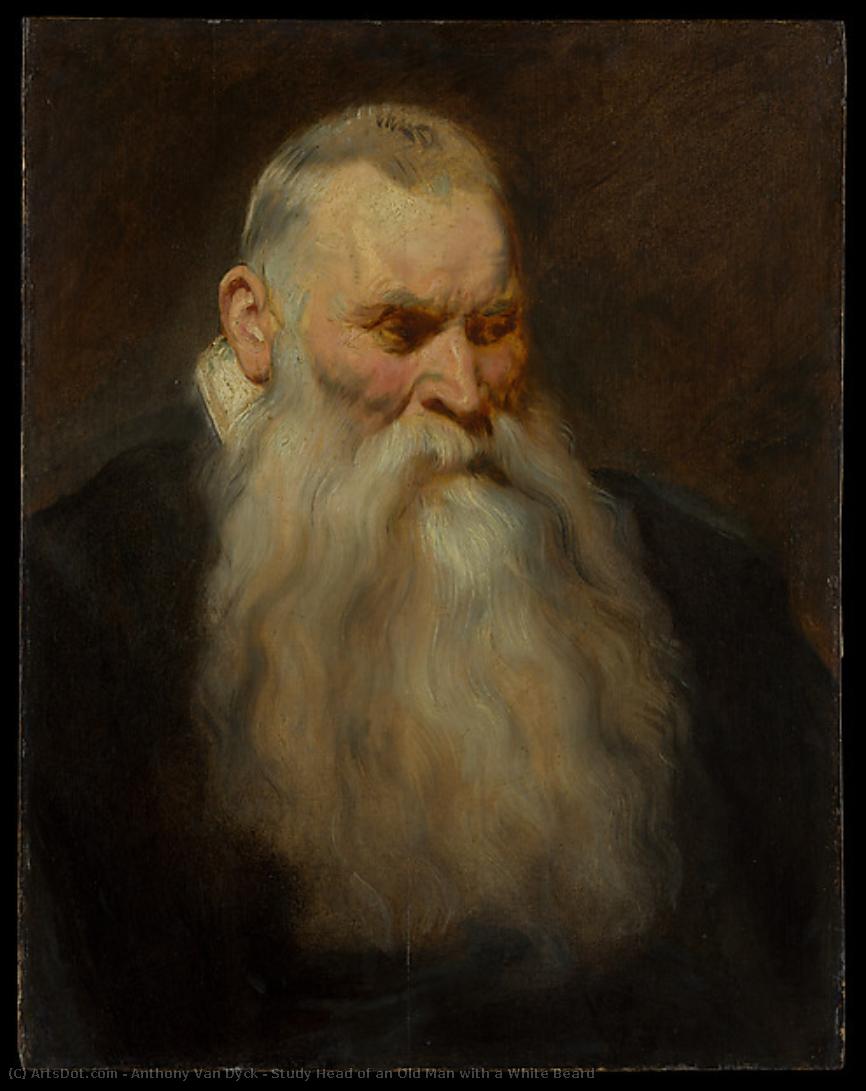
This arresting depiction by Sir Anthony van Dyck, completed in 1617, transcends mere representation; it embodies the spirit of Baroque portraiture and offers a glimpse into the artistic sensibilities of its time. Initially attributed to Rubens himself – a testament to the influence of his mentor – scholarly research has firmly established Van Dyck as the true creator, revealing a subtly different approach that nonetheless captures the essence of Rubensian grandeur. The painting’s quiet contemplation is powerfully contrasted with Rubens's bold dynamism, highlighting Van Dyck’s mastery of nuanced detail and textural surface treatment.
The Subject Matter: Embodiment of Dignity
The central figure – an elderly man adorned in a dark robe – commands immediate attention. His gaze meets the viewer’s eye with unwavering seriousness, conveying a profound sense of introspection and wisdom. The artist meticulously rendered features—a prominent nose, expressive eyebrows, and a carefully sculpted mouth—demonstrate Van Dyck's dedication to anatomical accuracy and psychological realism. More than just a likeness, this portrait seeks to convey an inner state, capturing the contemplative gaze that speaks volumes about experience and contemplation.
Stylistic Considerations: Baroque Elegance Refined
Van Dyck’s style aligns perfectly with the prevailing aesthetic of the Baroque period, yet distinguishes itself through its refined elegance. Unlike Rubens's dramatic chiaroscuro—the stark contrast between light and dark—Van Dyck favors softer tonal gradations, creating a luminous surface that enhances the subject’s serenity. The artist skillfully employs glazing techniques to achieve depth and luminosity, layering translucent washes of color over underpaintings to imbue the canvas with an ethereal quality. This subtle manipulation of light contributes significantly to the painting's emotional impact, fostering a feeling of quiet contemplation.
Technique: Delicate Modeling and Textured Surface
The artist’s meticulous attention to detail is evident in every aspect of this artwork. Van Dyck achieved remarkable textural effects through painstaking modeling—the sculpting of form—using thin layers of oil paint to build up subtle contours and nuances of shading. This technique allows for a captivating interplay between light and shadow, further emphasizing the subject's dignified posture and conveying an impression of palpable presence. The textured surface itself invites viewers to linger upon its intricacies, appreciating the artist’s dedication to capturing the subtleties of human anatomy and expression.
Historical Context: Antwerp’s Artistic Renaissance
Painted during Antwerp’s flourishing artistic renaissance—a period marked by patronage from wealthy merchants and nobles—this portrait reflects the humanist ideals that permeated European culture at the time. Rubens's influence on Van Dyck is undeniable, shaping his stylistic choices and fostering a shared commitment to portraying human dignity with sensitivity and grace. The painting stands as a symbol of intellectual curiosity and spiritual contemplation, mirroring the aspirations of Antwerp’s elite during this transformative era.
Emotional Resonance: A Moment Frozen in Time
Ultimately, “Study Head of an Old Man with a White Beard” transcends its formal qualities to evoke a powerful emotional response. It invites viewers to contemplate themes of age, wisdom, and inner peace—concepts central to Baroque art’s exploration of human psychology. The painting's serene countenance serves as a reminder of the enduring beauty found in quiet contemplation and offers an inspiring glimpse into the artistic legacy of Sir Anthony van Dyck.