Discover Sir John Soane's Museum in London: a unique house museum showcasing neo-classical architecture, historic antiquities, architectural models, and masterpieces by Canaletto, Turner, and more. Free entry!
Explore the art of Sir John Everett Millais (1829-1896), a Pre-Raphaelite founder. Discover his detailed realism, iconic paintings like Ophelia & Christ in the House of His Parents, and lasting Victorian impact.
Discover The Dick Institute in Kilmarnock! Explore diverse collections of art, social history & natural sciences. Featuring temporary exhibitions, a library & family activities. A 4-star attraction with over 120,000 visitors annually.
A Window into Victorian Soul: Examining Millais’s “Day Dreams”
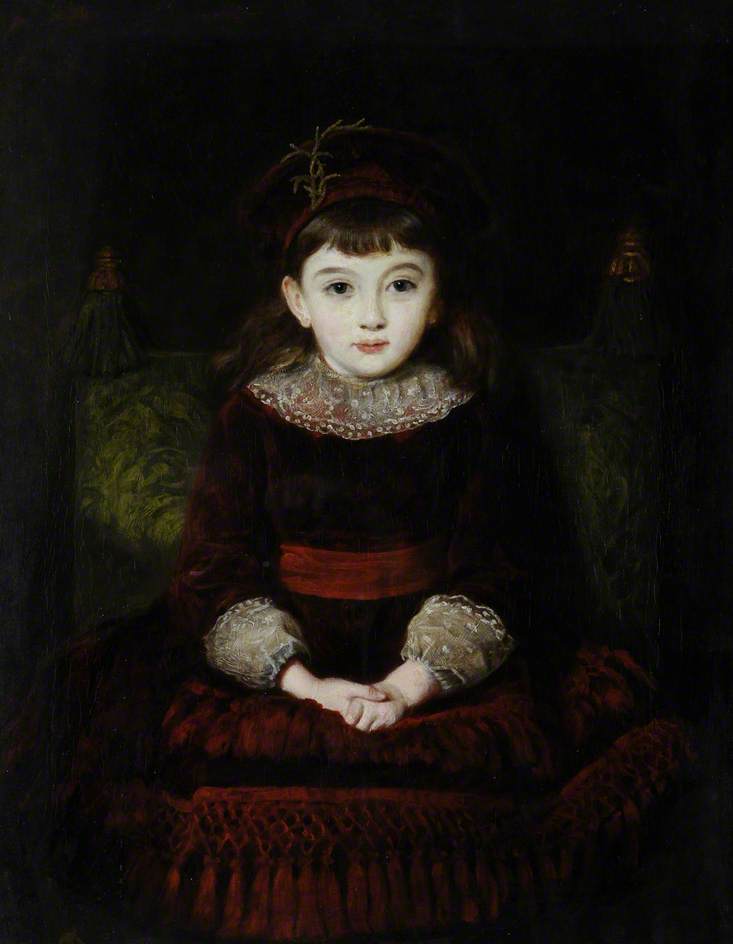
Sir John Everett Millais’s “Day Dreams,” completed in 1874, stands as a quintessential emblem of Pre-Raphaelite art—a movement that vehemently rejected the idealized conventions of academic painting and championed meticulous observation alongside profound emotional resonance. More than just a depiction of a young girl seated serenely in a chair, this canvas embodies a complex tapestry of artistic innovation and Victorian sensibilities.
- Subject Matter & Context: The portrait captures Eliza Calvert Wright, daughter of prominent botanist John William Wright, amidst a meticulously recreated meadow scene. This deliberate choice wasn’t merely decorative; it served as a cornerstone of the Pre-Raphaelite ethos – an insistence on grounding artistic vision in direct engagement with nature and capturing its beauty with uncompromising realism. The Victorian era was deeply invested in portraying domestic tranquility and moral virtue, mirroring the Wright family's values.
- Style & Technique: Millais’s mastery lies in his painstaking technique—oil paint applied with precise brushstrokes onto canvas—a method that allowed for unparalleled textural detail. Glazes were skillfully employed to imbue the colors with luminosity and depth, capturing the subtle nuances of light filtering through the foliage. This dedication to realism distinguishes “Day Dreams” from its predecessors and firmly establishes it within the Pre-Raphaelite canon.
- Composition & Visual Elements: The composition prioritizes stillness and contemplation, centering on Eliza’s figure against a dark backdrop that emphasizes her presence. Lines delineate the contours of her face, dress, and chair with deliberate precision, highlighting the importance of form and structure. Geometric shapes are minimal, providing contrast to the flowing drapery—a characteristic feature of Pre-Raphaelite art.
- Color Palette & Texture: The color palette utilizes rich reds, browns, creams, and subtle greens, creating a mood of subdued elegance. Millais’s meticulous rendering of textures – velvet dress fabric, lace collar and sleeves, plush chair upholstery—is breathtaking. He achieved this remarkable level of detail by painstakingly layering paint to simulate the tactile qualities of each surface.
- Symbolism & Emotional Impact: Beyond its visual splendor, “Day Dreams” speaks volumes about Victorian ideals of femininity and inner life. Eliza’s gaze directs inward, suggesting a preoccupation with thoughts and emotions—a reflection of the Pre-Raphaelites' fascination with psychological depth. The painting evokes feelings of serenity, introspection, and perhaps a hint of melancholy, prompting viewers to contemplate themes of innocence, beauty, and contemplation.
“Day Dreams” remains an enduring masterpiece—a testament to Millais’s artistic genius and the Pre-Raphaelite movement's unwavering commitment to truthfulness and emotional expression. Its exquisite detail and evocative atmosphere continue to inspire admiration and offer a captivating glimpse into Victorian culture.