The Dignity of Enlightenment Portraiture
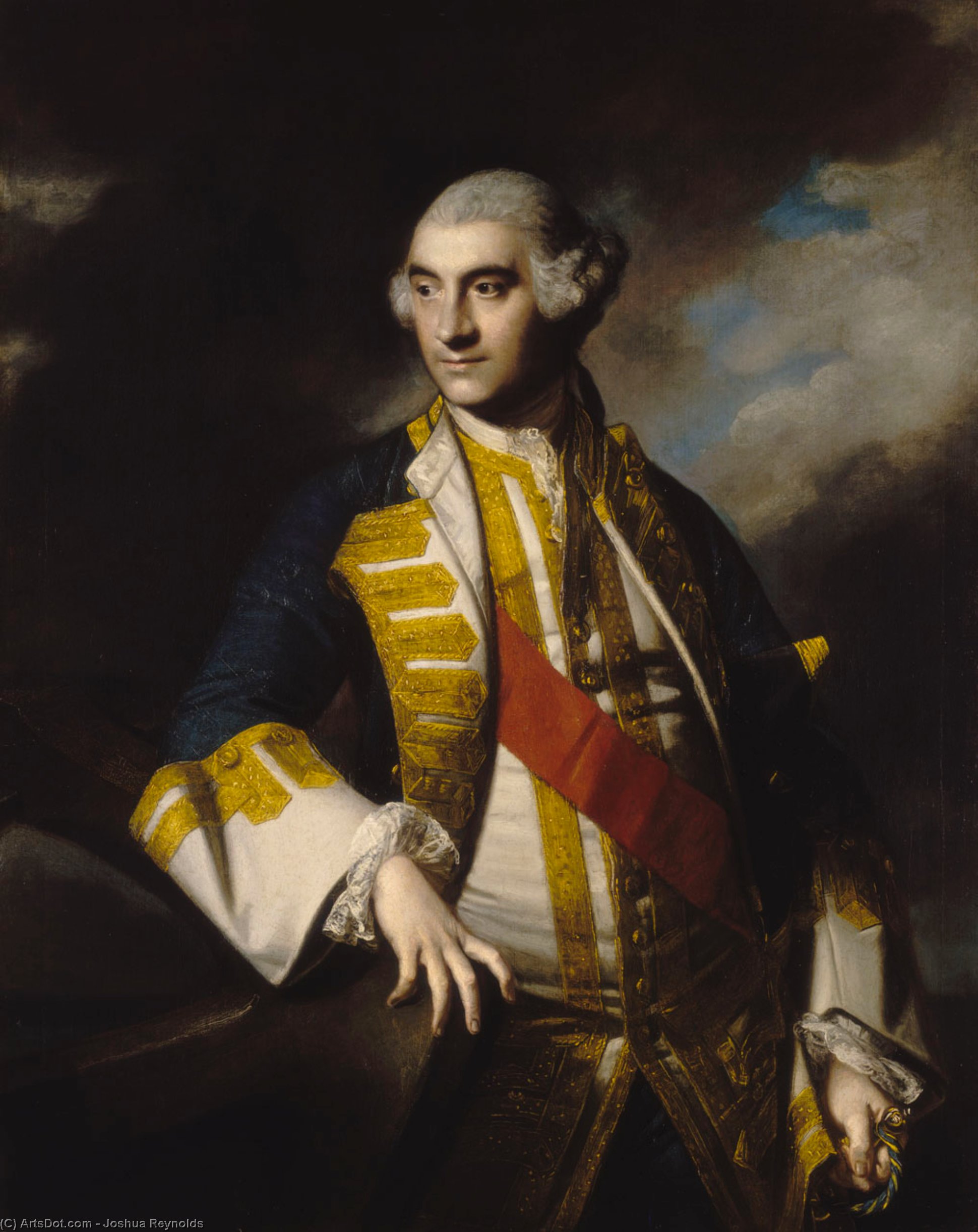
To stand before this portrait of Charles Burney is to step directly into the polished drawing rooms of late eighteenth-century London. It is more than a mere likeness; it is a carefully constructed testament to status, intellect, and societal standing during the height of the Georgian era. The subject is rendered with an almost palpable sense of gravity, embodying the confidence and refined bearing expected of a man of letters or considerable means. Sir Joshua Reynolds, whose masterful hand shaped this work in 1781, did not simply record features; he captured an essence—the very weight of reputation.
A Study in Neoclassical Form and Technique
Observe the meticulous handling of the paint. The technique employed is a masterclass in oil on canvas application. Reynolds utilizes dramatic chiaroscuro, allowing a strong, directional light source from the upper left to carve out the planes of the face, lending an almost sculptural volume to the sitter’s features. This interplay between brilliant highlights and deep shadow adds an immediate sense of depth and drama. Notice how the artist treats the texture: the crisp folds of the uniform are delineated with precise, controlled brushwork, contrasting beautifully with the softer, more atmospheric rendering of the background. The overall effect is one of polished realism elevated by artistic idealization.
Symbolism Woven into Fabric and Pose
Every element within this composition speaks volumes without uttering a word. The elaborate uniform is not just clothing; it is a visual lexicon of rank and authority, anchoring the sitter firmly within his social stratum. His composed expression suggests a mind at work—a self-assurance born from accomplishment. Even the positioning of his hands, elegantly placed, contributes to the overall narrative of controlled dignity. These symbolic signifiers transform the portrait from a simple record into an artifact rich with cultural meaning, inviting contemplation on the values prized by the Enlightenment elite.
Creating an Atmosphere for Modern Spaces
For the discerning collector or interior designer, this piece offers unparalleled gravitas. Its formal structure and deep tonal palette mean it functions as a powerful focal point in any grand reception room, library, or study. Reproducing such a work allows one to infuse a modern space with historical depth and undeniable artistic pedigree. The balance achieved between the subject’s intense focus and the surrounding dark ambiguity creates an immediate sense of sophisticated drama, making it a conversation piece that speaks eloquently of taste and enduring appreciation for Old Master techniques.