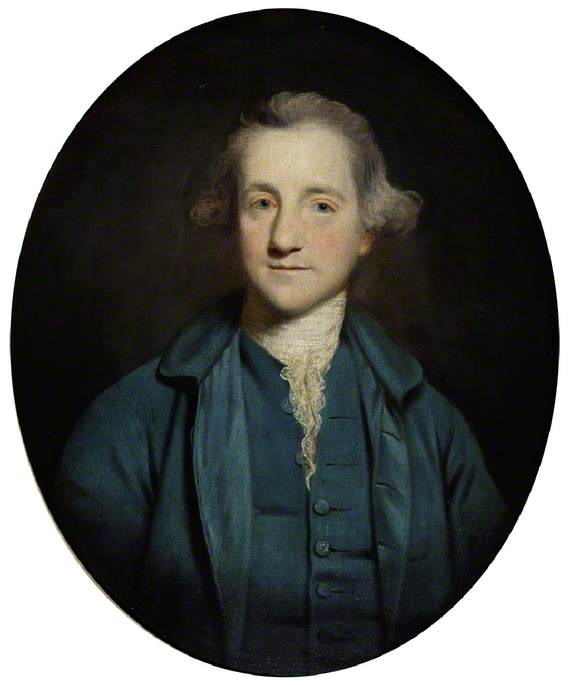
Admire Sir Joshua Reynolds’ "Henry Vansittart" (1754). A captivating 18th-century portrait in oil on canvas. Acquire a stunning reproduction of this iconic British masterpiece.
Sir Joshua Reynolds (1723-1792): Leading British portrait painter of the 18th century & first Royal Academy President. Master of the 'Grand Style', he elegantly captured nobility and shaped British art.
Discover art & history at the Fitzwilliam Museum, Cambridge! Explore world-class collections from ancient Egypt to modern masterpieces – free admission awaits!
A Portrait of Dignified Presence: Henry Vansittart by Sir Joshua Reynolds
Sir Joshua Reynolds’ “Henry Vansittart” (1754) stands as a testament to the grandeur and sophistication of the Enlightenment era, capturing not merely an individual likeness but also embodying the ideals of aristocratic patronage and artistic mastery. Executed in oil on canvas, this portrait exemplifies Reynolds' signature ‘Grand Style,’ a technique characterized by luminous color palettes, subtle modeling, and meticulous attention to detail—a deliberate departure from the darker, more dramatic styles prevalent before him. The painting depicts Henry Vansittart, a prominent figure of his time, seated with an air of quiet confidence against a muted neoclassical backdrop. Reynolds skillfully employs chiaroscuro – the interplay of light and shadow – to sculpt Vansittart’s form, emphasizing musculature and conveying a sense of dignified repose.
The Grand Style: Reynolds' Innovative Approach
Reynolds revolutionized portraiture by prioritizing psychological realism alongside technical brilliance. Unlike earlier artists who focused solely on accurate representation, he sought to portray the subject’s inner character—his virtues, intellect, and social standing—through nuanced expressions and gestures. This approach demanded a profound understanding of anatomy and optics, necessitating painstaking observation and meticulous brushwork. Reynolds' studio was a crucible for artistic experimentation, fostering collaborations with fellow artists like George Keating and Thomas Hosmer Shepherd who further refined the stylistic conventions of their time. Keating’s engravings after Reynolds meticulously reproduced the painting’s composition and tonal qualities, ensuring its legacy extended beyond the canvas itself.
Historical Context: Patronage and Societal Values
“Henry Vansittart” was commissioned by Lord Bathurst, a wealthy aristocrat who served as Secretary of State for War and Colonies during George III's reign. This patronage reflects the broader cultural landscape of Britain in 1754—a period marked by burgeoning scientific inquiry, philosophical debate, and an obsession with social status. Reynolds skillfully captured these values within the frame of his portrait, presenting Vansittart as a man of intellect and moral integrity – qualities highly esteemed by the ruling elite. The muted color palette contributes to this sense of solemn contemplation, reinforcing the painting’s symbolic representation of noble character.
Symbolism: Light and Dignity
The diffused light illuminating Vansittart's face symbolizes enlightenment—both intellectual illumination and spiritual grace—a core concept of the Enlightenment movement. Reynolds’ masterful use of chiaroscuro elevates Vansittart beyond mere physical likeness, transforming him into an embodiment of virtue and dignity. The pose itself conveys composure and self-assurance, reflecting the aristocratic ideal of cultivated masculinity.
Emotional Impact: An Enduring Legacy
“Henry Vansittart” continues to resonate with viewers today due to its timeless beauty and psychological depth. Reynolds’ ability to convey emotion through subtle facial expressions—a hallmark of his Grand Style—captures a moment of quiet contemplation that transcends the confines of time. It serves as an exquisite reminder of the artistic achievements of the Enlightenment and remains a captivating subject for collectors and interior designers seeking inspiration from one of Britain's most celebrated painters.