A Portrait of Grace and Power: Sir Joshua Reynolds’ Lady Anstruther
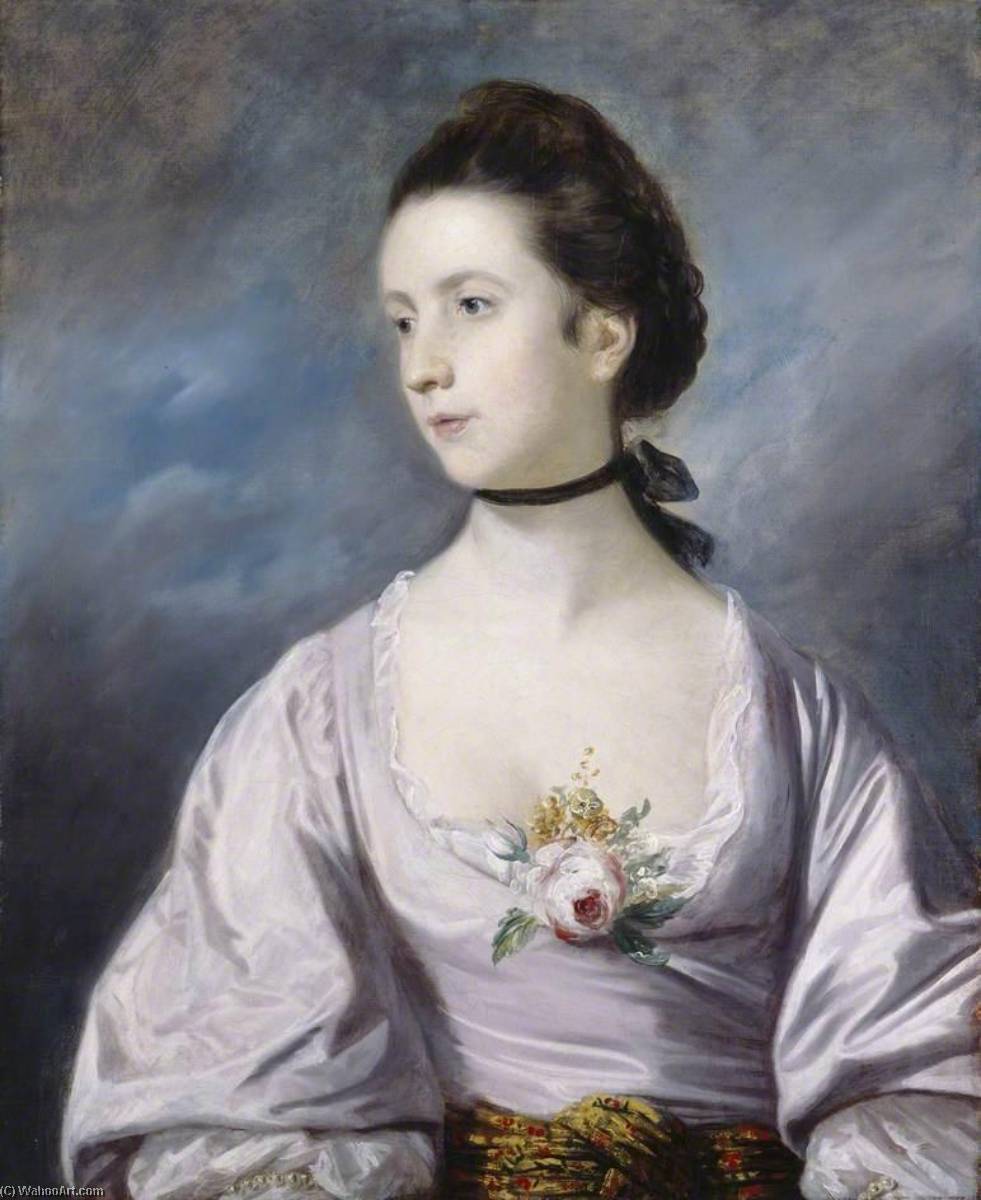
Sir Joshua Reynolds' "Lady Anstruther," painted in 1763, is more than just a portrait; it’s a meticulously crafted tableau vivant—a frozen moment of aristocratic elegance and quiet contemplation. This captivating work, housed within the Manchester Art Gallery, offers a rare glimpse into the social conventions and artistic sensibilities of late 18th-century Britain, showcasing Reynolds' mastery of the “Grand Style” and his profound understanding of capturing both outward appearance and inner character.
The subject, Lady Anstruther, is presented in a three-quarter pose, her gaze directed slightly to the right, creating an immediate sense of intimacy. She embodies the ideals of feminine grace and composure that were highly valued during this period – a testament to Reynolds’ skill in portraying not just likeness but also social standing and refined demeanor. The composition itself is carefully balanced, drawing the eye towards her face—a study in delicate features and subtle expressions—while the luxurious details of her gown and jewelry subtly reinforce her elevated position within society.
The Grand Manner: Technique and Composition
Reynolds’ approach to portraiture was revolutionary for his time. He moved away from the stiff formality of earlier court painters, embracing a looser brushstroke technique that allowed for a remarkable sense of luminosity and depth. Notice how he employs soft, blended lines to define the contours of Lady Anstruther's face and body, creating an almost ethereal quality. The drapery of her gown is suggested with graceful curves and folds, adding movement and visual interest without resorting to overly detailed rendering.
The background, deliberately blurred through atmospheric perspective, serves not as a distraction but rather as a subtle enhancement of the subject’s prominence. This technique, characteristic of the “Grand Manner,” directs the viewer's attention entirely onto Lady Anstruther, emphasizing her importance and creating a sense of spatial depth. The use of muted pastels—pale pinks, creams, and grays—dominates the color palette, contributing to the overall atmosphere of understated elegance and refinement.
Symbolism and Context
Beyond its aesthetic beauty, “Lady Anstruther” is deeply rooted in the social and intellectual context of the Enlightenment. Reynolds was a staunch advocate for classical ideals, believing that art should strive for perfection and embody universal truths. The floral embellishments adorning Lady Anstruther’s dress—likely roses or lilies—were potent symbols of beauty, virtue, and innocence – values highly prized within aristocratic circles. The pose itself, with her hand resting gracefully on the armrest, speaks to a sense of quiet dignity and self-possession.
Painted in 1763, this portrait reflects the burgeoning influence of Sir Joshua Reynolds’ artistic philosophy. He was instrumental in establishing the Royal Academy of Arts, advocating for a new system of art education that emphasized observation, technique, and the study of classical masters. His work profoundly shaped British painting, influencing generations of artists and solidifying his legacy as one of the nation's greatest portraitists.
A Timeless Masterpiece: Reproduction and Inspiration
"Lady Anstruther" stands as a testament to Reynolds’ genius—a captivating blend of technical skill, artistic vision, and social commentary. Today, ArtsDot offers meticulously crafted hand-painted reproductions that capture the essence of this iconic work, allowing you to bring its timeless beauty into your home or office.
Whether you are an art enthusiast, a collector seeking a significant addition to your collection, or simply someone drawn to exquisite artistry and historical elegance, a reproduction of “Lady Anstruther” is sure to be a treasured possession. Its serene composition, rich color palette, and subtle symbolism continue to resonate with viewers centuries after its creation—a true reflection of the enduring power of art.