Peter Paul Rubens: Annunciation - A Baroque Masterpiece
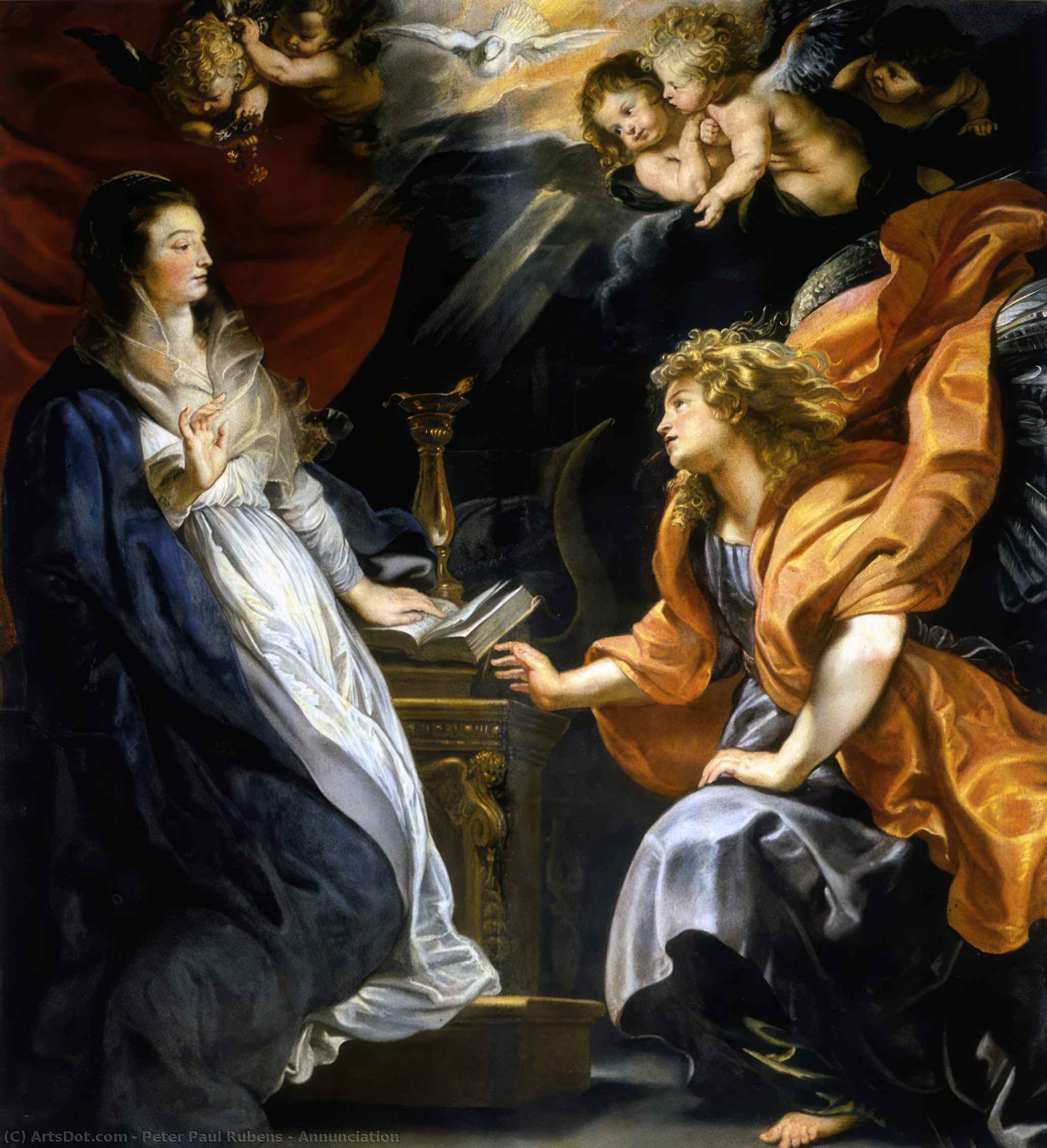
The Annunciation by Peter Paul Rubens stands as one of the most iconic depictions of the biblical narrative, embodying the grandeur and emotional intensity characteristic of the Flemish Baroque. Painted in 1609-1610 during Rubens’s formative years in Rome—a period profoundly influenced by Michelangelo and Caravaggio—this monumental canvas transcends mere representation to convey a palpable sense of divine grace and human wonder.
- Composition & Symbolism: Rubens meticulously crafted a scene brimming with symbolic significance. The central figures, Mary and Gabriel, are positioned within a richly furnished living room, deliberately grounding the spiritual event in everyday reality. Mary’s serene posture contrasts sharply with Gabriel’s urgent gesture—pointing heavenward—emphasizing the transformative power of divine revelation.
- Technique: Rubens employed his signature *chiaroscuro* technique to masterful effect. Dramatic lighting sculpts the figures, highlighting their contours and creating a palpable sense of movement. The artist skillfully blended pigments with oil paints on wooden panels, achieving remarkable luminosity and textural depth—a testament to his unparalleled mastery of Baroque painting.
- Color Palette: Rubens’s palette is dominated by vibrant hues—deep reds, blues, and golds—that infuse the scene with warmth and majesty. Ultramarine pigment, derived from lapis lazuli, adorns Mary's robe, symbolizing purity and divinity—a deliberate choice reflecting the artistic conventions of the time.
- Historical Context: Commissioned by the Jesuit college in Antwerp during a period marked by religious upheaval—the Protestant Reformation—Rubens’s Annunciation served as a powerful affirmation of Catholic faith. It reflects the Baroque preoccupation with portraying biblical narratives with dramatic realism and emotional fervor, aligning seamlessly with the artistic sensibilities of the Counter-Reformation.
- Emotional Impact: The painting captivates viewers with its emotive resonance—evoking feelings of awe, humility, and spiritual contemplation. Rubens’s ability to convey profound psychological depth—captured in Mary's gaze and Gabriel’s gesture—solidifies his legacy as one of the greatest Baroque artists.
Currently housed in the Kunsthistorisches Museum in Vienna, this masterpiece continues to inspire admiration for its artistic brilliance and enduring spiritual significance. Its luminous colors, dynamic composition, and masterful technique exemplify the apex of Baroque painting—a testament to Rubens’s unparalleled genius and his indelible contribution to Western art history.
Relevant Works by Peter Paul Rubens
- Peter Paul Rubens: Madonna and Child with the Donors Alexandre Goubeau and his wife Anne Antoni: Explore Rubens's masterful depiction of motherhood and piety, showcasing his meticulous attention to detail and expressive use of color.
- Peter Paul Rubens: Saint Teresa of Avila Interceding for Souls in Purgatory: Admire Rubens’s dramatic portrayal of religious ecstasy—a testament to his ability to convey profound spiritual emotion through masterful composition and luminous chiaroscuro.
- Artemisia Gentileschi: The Annunciation: Compare Rubens's approach to Caravaggio's, analyzing the stylistic differences in conveying biblical narratives with emotional intensity.
Additional Research
Rubens’s artistic journey began in Antwerp where he studied under Adam van Noort and honed his skills during his formative years in Rome—a period profoundly influenced by Michelangelo and Caravaggio. Rubens's innovative use of light and color resonated throughout Europe, shaping the aesthetic sensibilities of subsequent generations.
The Kunsthistorisches Museum acquired Rubens’s Annunciation in 1954 following a complex legal battle involving multiple collectors. Its provenance traces back to Diego Messia, marquis de Leganés—a prominent Spanish diplomat and art patron who championed Rubens's artistic achievements.
Size
Unknown
Date
1609-1610