Sir Peter Paul Rubens: A Baroque master! Known for dynamic compositions, vibrant colors & iconic works like 'The Massacre of the Innocents.' Explore his life & art.
Discover European art history at the Alte Pinakothek in Munich! Explore Renaissance & Baroque masterpieces by Dürer, Rembrandt & Rubens within a stunning neoclassical setting.
Cupid Making His Bow - A Baroque Masterpiece
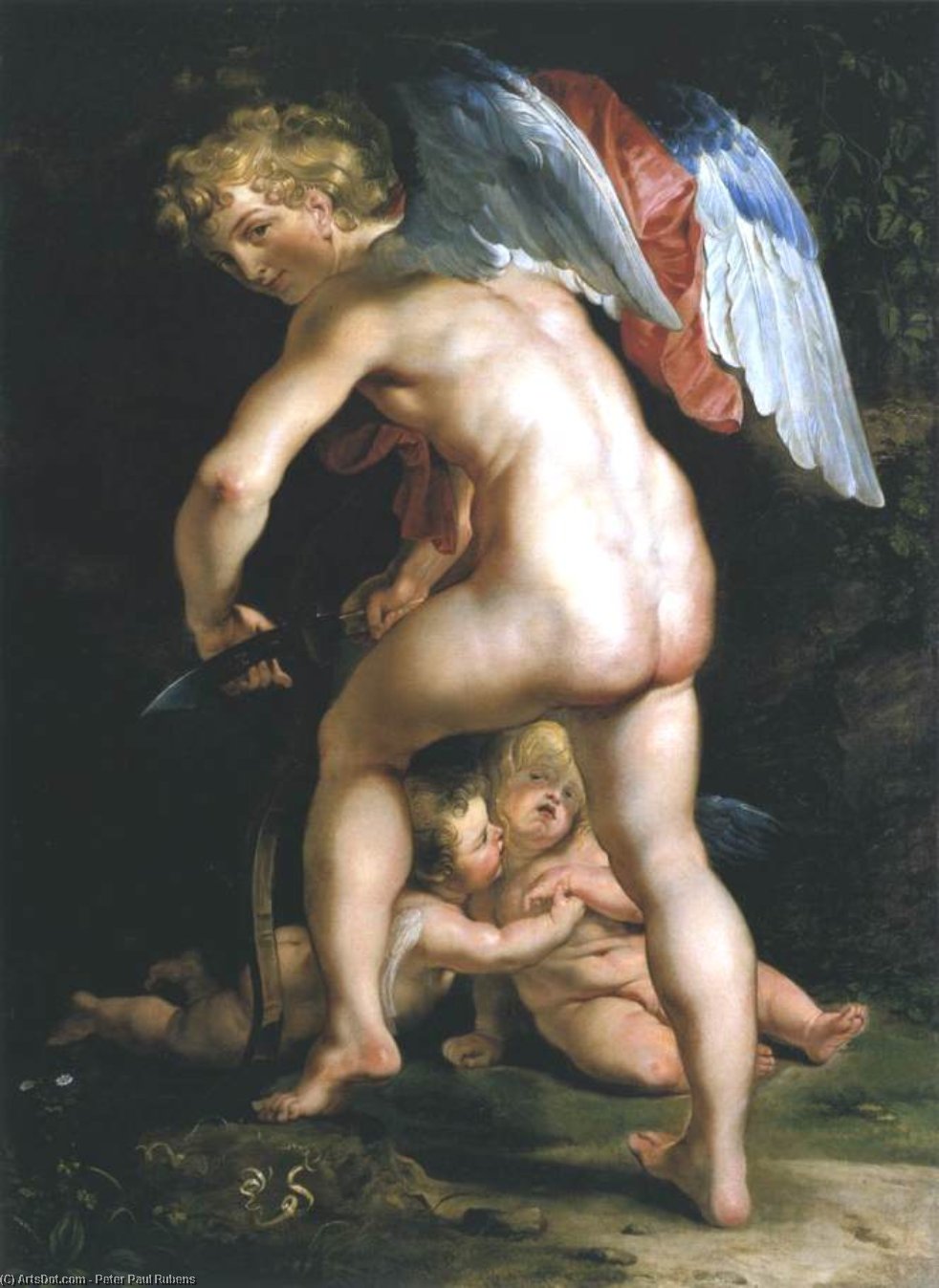
Peter Paul Rubens’s “Cupid Making His Bow,” completed in 1614, stands as a testament to the fervor and grandeur of the Baroque period. Currently residing within the Alte Pinakothek in Munich, Germany, this monumental oil on panel artwork transcends mere visual representation; it embodies an entire artistic philosophy—one driven by dynamism, emotion, and a profound engagement with classical ideals. Let’s delve into what makes this painting so remarkable.
The Scene: Innocence Amidst Tension
The canvas depicts a captivating tableau of two nude children engaged in playful interaction within a verdant forest setting. The artist skillfully captures the essence of youthful exuberance, portraying the boys as animated figures brimming with vitality and delight. Yet, beneath this surface of carefree joy lies an underlying current of unease. Angels hover above—two positioned on the left side of the image and another centrally located—adding an ethereal dimension to the scene and subtly hinting at divine judgment. Rubens’s meticulous attention to detail ensures that every element contributes to the overall atmosphere of contemplative wonder.
Rubensian Technique: Light, Shadow, and Dramatic Composition
Rubens's mastery of technique is immediately apparent upon observation. He employs *tenebrism*, a dramatic chiaroscuro style popularized by Caravaggio, to sculpt the figures with masterful precision. Intense light illuminates Cupid’s face and bow—the focal point of the composition—creating a radiant halo that contrasts sharply with the enveloping darkness of the forest backdrop. This technique isn't merely stylistic; it serves to heighten emotional impact and convey a sense of spiritual significance. The artist’s brushstrokes are bold and expressive, conveying movement and energy throughout the scene. Rubens’s meticulous layering of pigments ensures that every nuance of color is rendered with breathtaking accuracy.
Historical Context: Renaissance Legacy Meets Religious Symbolism
“Cupid Making His Bow” firmly anchors itself within the broader context of Renaissance artistic heritage while simultaneously embracing Baroque sensibilities. Rubens, a Flemish diplomat and artist deeply influenced by humanist ideals, skillfully blended classical references—particularly depictions of nude figures—with Christian iconography. The bow itself symbolizes divine grace and purposeful action—a deliberate allusion to biblical narratives concerning God’s intervention in human affairs. This painting speaks to the anxieties of its time—the questioning of traditional authority alongside a renewed appreciation for beauty and emotion—reflecting the intellectual ferment that characterized the early 17th century.
Symbolism: Desire, Innocence, and Divine Judgment
Beyond its technical brilliance and historical resonance, “Cupid Making His Bow” is laden with symbolic meaning. The nude children represent innocence and vulnerability—figures destined to be touched by Cupid’s arrow—a poignant reminder of humanity's inherent susceptibility to passion and desire. Simultaneously, the angels serve as guardians of virtue, overseeing the unfolding drama and hinting at divine judgment. Rubens invites viewers to contemplate profound questions about faith, morality, and the role of fate in shaping human destiny.
Conclusion: An Enduring Legacy
“Cupid Making His Bow” remains an enduring masterpiece—a testament to Rubens’s unparalleled artistic vision and his ability to capture the spirit of his era. Its captivating composition, masterful technique, and layered symbolism continue to inspire admiration and provoke contemplation centuries after its creation. For those seeking a glimpse into the sublime beauty of Baroque art, or for collectors desiring a stunning reproduction of this iconic work, the Alte Pinakothek offers an unparalleled opportunity to experience Rubens’s genius firsthand.