A Baroque Masterpiece of Drama and Divine Intervention
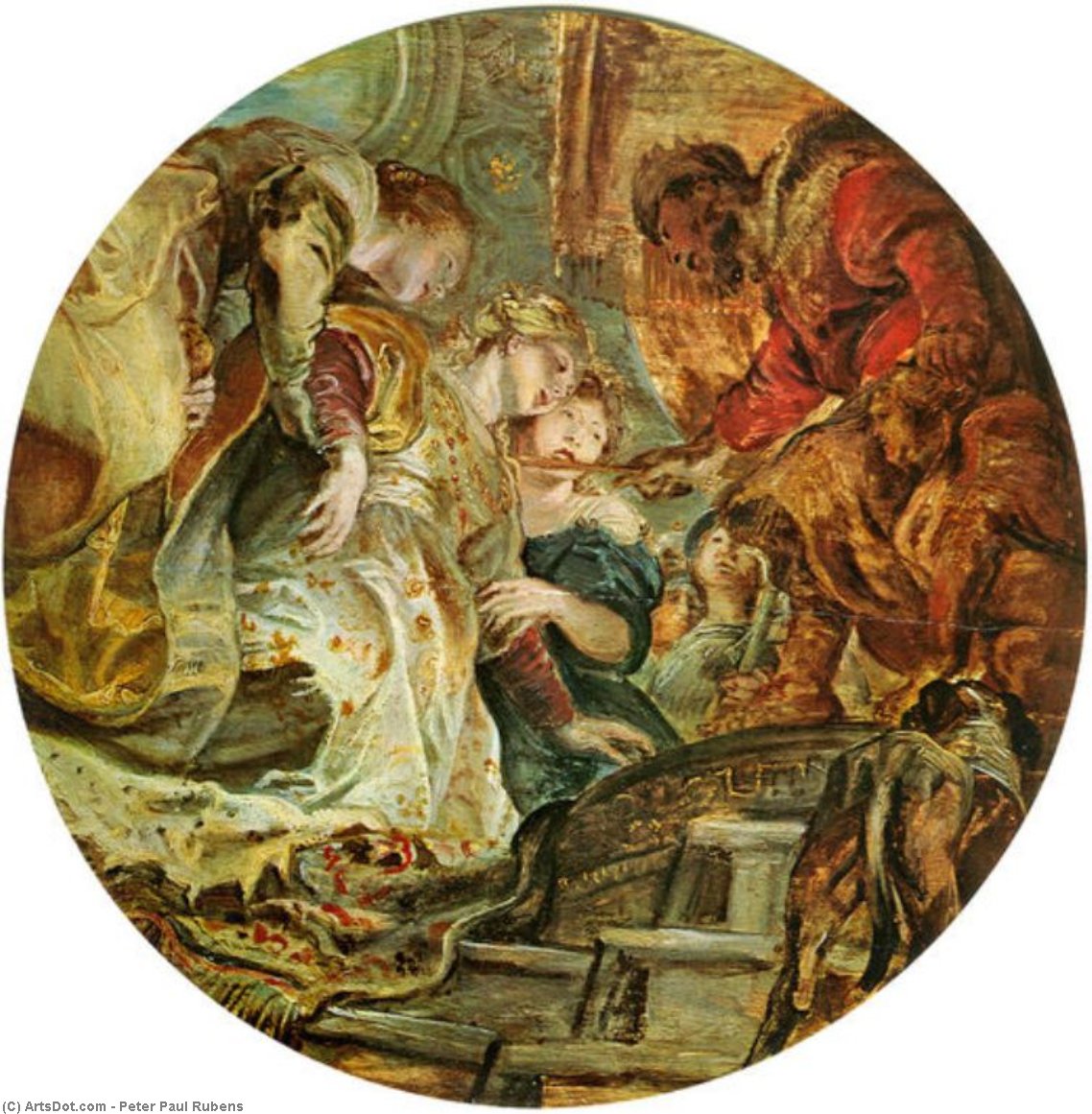
Peter Paul Rubens’ “Esther and Ahasverus” (1606) is a breathtaking example of High Baroque painting, radiating both opulence and emotional intensity. The scene depicts a pivotal moment from the Book of Esther – the Jewish queen Esther pleading before her husband, King Ahasuerus of Persia, to save her people from annihilation. This wasn’t merely a historical or religious narrative for Rubens; it was an opportunity to showcase his mastery of color, composition, and dramatic storytelling.
Decoding the Composition & Artistic Technique
Rubens employs a dynamic, theatrical composition characteristic of the Baroque period. The figures are not static but caught in a moment of heightened emotion – Esther’s desperate plea contrasted with Ahasuerus's regal yet attentive posture. Multiple supporting characters add to the scene’s complexity, their gestures and expressions contributing to the overall narrative tension.
The painting is executed in oil on canvas, measuring an impressive 121 x 194 cm. Rubens’ technique is marked by *loose, expressive brushwork* and a masterful use of chiaroscuro – the dramatic interplay of light and shadow. This creates depth, highlights key figures (particularly Esther), and amplifies the emotional impact. The rich color palette—deep reds, golds, and warm browns—further enhances the sense of luxury and drama. Note how Rubens uses fabric to create movement and texture, a hallmark of his style.
Historical Context & Symbolism
Created during the Counter-Reformation, “Esther and Ahasverus” reflects the period’s emphasis on religious themes intended to inspire faith and devotion. The story of Esther resonated deeply with 17th-century audiences as a tale of courage, faith, and divine providence. The painting also subtly alludes to contemporary political anxieties – the vulnerability of minority groups and the power dynamics between rulers and their subjects.
Symbolism is woven throughout the work:
- Esther’s prostration before the king signifies humility and desperation, but also her courage in risking her life for her people.
- Ahasuerus’s throne symbolizes his power and authority, while his gesture of listening suggests a potential for mercy.
- The opulent setting – rich fabrics, elaborate architecture – underscores the wealth and grandeur of the Persian court, but also hints at its potential for excess and corruption.
Emotional Resonance & Lasting Influence
“Esther and Ahasverus” is not simply a depiction of a biblical story; it’s an exploration of universal human emotions – fear, hope, courage, and compassion. Rubens' ability to convey these emotions through dynamic composition, expressive figures, and masterful use of light and color makes this painting profoundly moving.
Rubens was a pivotal figure in the Flemish Baroque tradition, influencing generations of artists with his dramatic style and technical virtuosity. His work continues to inspire awe and admiration today, making “Esther and Ahasverus” a timeless masterpiece. The painting currently resides at the Koninklijk Museum voor Schone Kunsten (Royal Museum of Fine Arts) in Antwerp, Belgium – a testament to its enduring cultural significance.
Bringing Baroque Splendor into Your Space
For those captivated by Rubens’ artistry, high-quality reproductions offer an accessible way to experience the beauty and drama of “Esther and Ahasverus.” A reproduction can serve as a stunning focal point in a living room, dining room, or study, adding a touch of historical elegance and artistic sophistication to any interior. The painting's rich colors and dynamic composition make it particularly well-suited for spaces seeking a sense of grandeur and emotional depth.