Sir Peter Paul Rubens: A Baroque master! Known for dynamic compositions, vibrant colors & iconic works like 'The Massacre of the Innocents.' Explore his life & art.
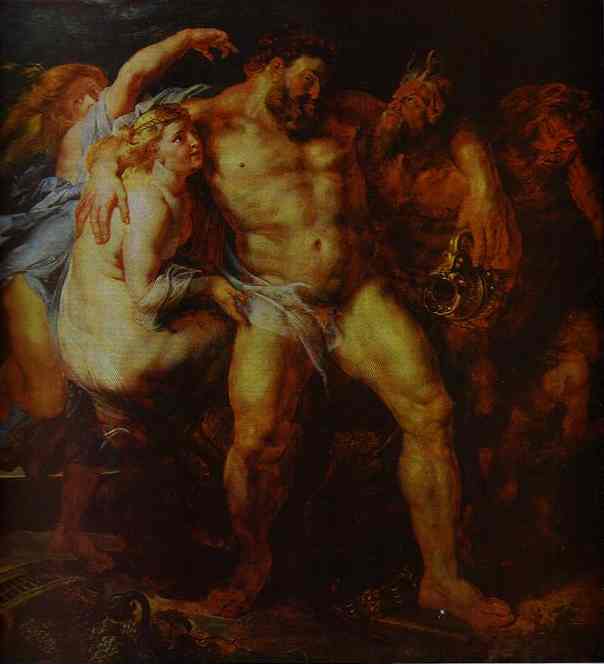
Hercules Drunk, Being Led Away By a Nymph and a Satyr
Peter Paul Rubens’ *Hercules Drunk, Being Led Away by a Nymph and a Satyr* stands as an emblem of Baroque grandeur—a monumental canvas brimming with dynamism, opulent color palettes, and profound psychological insight. Executed around 1612/14 during Rubens's prolific period in Rome, this masterpiece transcends mere depiction; it embodies the spirit of its time and continues to captivate viewers centuries later. Housed at the Gemaldegalerie Donaueschingen, Germany, it exemplifies Rubens’ unparalleled mastery of oil painting and his ability to distill complex mythological narratives into emotionally resonant visual experiences.
Artistic Style and Technique
Rubens's signature style is instantly recognizable—characterized by a masterful blend of realism and theatricality. He employed *tenebrism*, a technique pioneered by Caravaggio, plunging the scene into dramatic chiaroscuro, where stark contrasts between light and dark heighten emotional intensity and sculpt the figures with breathtaking precision. The artist meticulously rendered musculature, drapery folds, and skin textures, demonstrating an unwavering commitment to anatomical accuracy—a cornerstone of Baroque art’s humanist ethos. Rubens utilized a rich tapestry of colors—deep reds, blues, golds—to infuse the painting with vibrancy and convey a sense of opulent splendor. These hues weren't merely decorative; they served as conduits for conveying mood and emotion, mirroring the turbulent psychological landscape depicted within the artwork.
Symbolism and Interpretation
Beyond its visual splendor, *Hercules Drunk* carries layers of symbolic meaning rooted in classical mythology. Hercules—the legendary hero famed for his strength and resilience—is portrayed in a state of intoxication, symbolizing vulnerability and the perilous allure of indulgence. The nymph and satyr figures represent opposing forces: the nymph embodies purity and grace, while the satyr embodies primal instinct and sensual pleasure. Their presence underscores the theme of moral struggle—Hercules’ downfall is not merely physical but spiritual, highlighting the dangers inherent in abandoning virtue for fleeting gratification. Rubens skillfully juxtaposes these contrasting elements to provoke contemplation on human nature and the consequences of unchecked desires.
Other Works by Peter Paul Rubens
Rubens's artistic output was astonishingly diverse, encompassing monumental altarpieces, portraits of royalty and nobility, landscapes imbued with atmospheric grandeur, and imaginative depictions of biblical narratives. Notable examples include *Festoon of Flowers and Fruits and Angels*, a breathtaking celebration of floral beauty and divine grace; *Geburt der Venus*, a sensual portrayal of the birth of Aphrodite—Venus—capturing the goddess’s ethereal form amidst swirling clouds and shimmering light; *Generosity of Scipio*, a historical painting commemorating Roman statesman Scipio Africanus's magnanimity; and *Diana Returning from Hunt*, an evocative depiction of Artemis—Diana—the huntress goddess, conveying movement and dynamism with remarkable skill. These works collectively demonstrate Rubens’ unwavering dedication to exploring the human condition through art—a legacy that continues to inspire artists and scholars alike.
Conclusion
*Hercules Drunk,* Being Led Away By a Nymph and a Satyr*, is more than just a painting; it's a testament to Peter Paul Rubens’ artistic genius and his profound understanding of Baroque aesthetics. Its masterful technique, evocative symbolism, and dramatic composition solidify its place as one of the most enduring masterpieces of European art history. For those seeking inspiration or desiring to acquire a stunning reproduction of this iconic artwork, exploring *Peter Paul Rubens* on ArtsDot.com offers a comprehensive journey into the life and oeuvre of a true artistic visionary—a figure whose influence resonates powerfully across centuries.