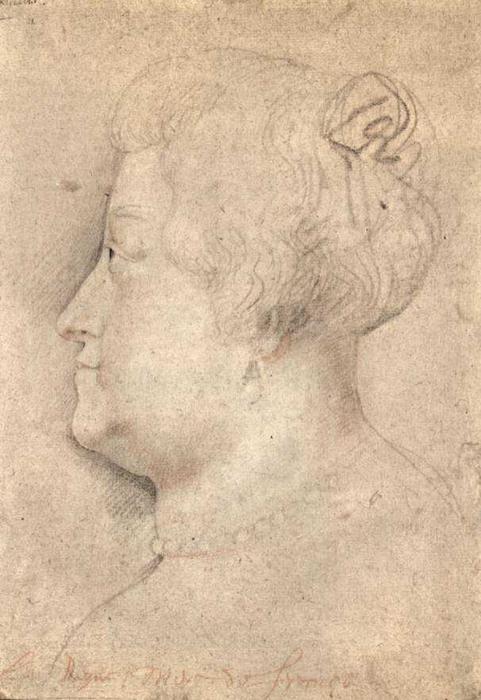
Admire Rubens’ stunning 'Portrait of Marie de Medici,' a meticulously detailed pencil drawing showcasing Renaissance elegance & Baroque realism. A captivating piece for art lovers.
Sir Peter Paul Rubens: A Baroque master! Known for dynamic compositions, vibrant colors & iconic works like 'The Massacre of the Innocents.' Explore his life & art.
A Regal Study: Peter Paul Rubens’ Portrait of Marie de' Medici (1622)
This exquisite pencil drawing offers a captivating glimpse into the world of 17th-century portraiture and provides valuable insight into the artistic process of one of the Baroque period’s most celebrated masters, Peter Paul Rubens. Measuring 30 x 21 cm, this work is not a finished portrait *per se*, but rather a meticulous preparatory study for larger compositions featuring Marie de' Medici, Queen of France.
Subject and Historical Context
The subject is undoubtedly Marie de’ Medici, a pivotal figure in European history. Born into the powerful Florentine Medici family, she became Queen consort of France through her marriage to Henry IV. Following his assassination, Marie served as regent for her son, Louis XIII, navigating complex political landscapes and wielding considerable influence. Rubens was commissioned by Marie de’ Medici herself to create a grand series of paintings – the *Marie de' Medici Cycle* – documenting her life and achievements. This drawing dates from 1622, during the early stages of that ambitious project. Understanding this context is crucial; it wasn’t intended as a standalone display piece but as an essential step in realizing a much larger artistic vision.
Style and Technique
The style is firmly rooted in the classical tradition, echoing Renaissance drawing techniques while foreshadowing the dynamism of the Baroque era. Rubens was renowned for his ability to synthesize Italian influences (particularly those of Leonardo da Vinci) with Flemish realism. This study exemplifies that blend. The technique is masterful: layers of precisely applied pencil strokes build up tonal values, creating a remarkable sense of depth and volume. The artist expertly utilizes varying pressure to define contours and details – from the delicate curve of her lips to the intricate texture of her hair. Chiaroscuro, the dramatic contrast between light and shadow, is subtly employed to sculpt the form and draw attention to Marie’s features.
Composition and Artistic Choices
The composition is tightly cropped, focusing solely on the head and shoulders of the Queen. This intimate framing emphasizes her likeness and allows for a concentrated study of her facial anatomy. The dark background serves to accentuate the luminosity of her skin and the delicate details of her attire (though largely implied). Rubens’s choice of a profile view is significant; it lends an air of dignity and formality, befitting a royal subject. While seemingly straightforward, this drawing demonstrates Rubens' keen eye for capturing not just physical resemblance but also a sense of character and presence.
Symbolism and Emotional Impact
While the drawing doesn’t overtly employ symbolic elements, its very existence speaks to the power of portraiture as a means of constructing and preserving an image – both personal and political. The meticulous detail suggests reverence for the subject and a desire to present her in the most flattering light. The overall emotional impact is one of quiet dignity and regal composure. It’s a study that invites contemplation, offering a rare glimpse into the creative process of a master artist and the fascinating life of a powerful queen.
For Collectors & Designers
A high-quality reproduction of this work would be an exceptional addition to any collection. Its monochromatic palette lends itself well to a variety of interior design schemes, providing a sophisticated touch of historical elegance. The drawing’s intimate scale makes it suitable for smaller spaces, while its artistic merit ensures it will serve as a compelling focal point. Consider pairing it with other works from the *Marie de' Medici Cycle* or portraits from the Baroque period to create a cohesive and visually stunning display.