A Window into Baroque Genius: Examining Rubens’ Self Portrait
Sir Peter Paul Rubens, a titan of the Baroque era, wasn't merely a painter; he was an orchestrator of visual grandeur, a diplomat shaping European politics, and a scholar steeped in humanist ideals. Born in Siegen, Germany, in 1577, his formative years were marked by upheaval—a childhood spent navigating religious persecution and familial displacement—experiences that subtly imbued his artistic vision with an undeniable dramatic resonance. This early exile instilled within him not only resilience but also a profound understanding of how circumstance informs creative expression. Following his father’s untimely death in 1587, Rubens returned to Antwerp, where he received a comprehensive education before dedicating himself to mastering the craft of painting around 1590, apprenticing under Tobias Verhaecq—a partnership that would prove instrumental in shaping his distinctive artistic trajectory.
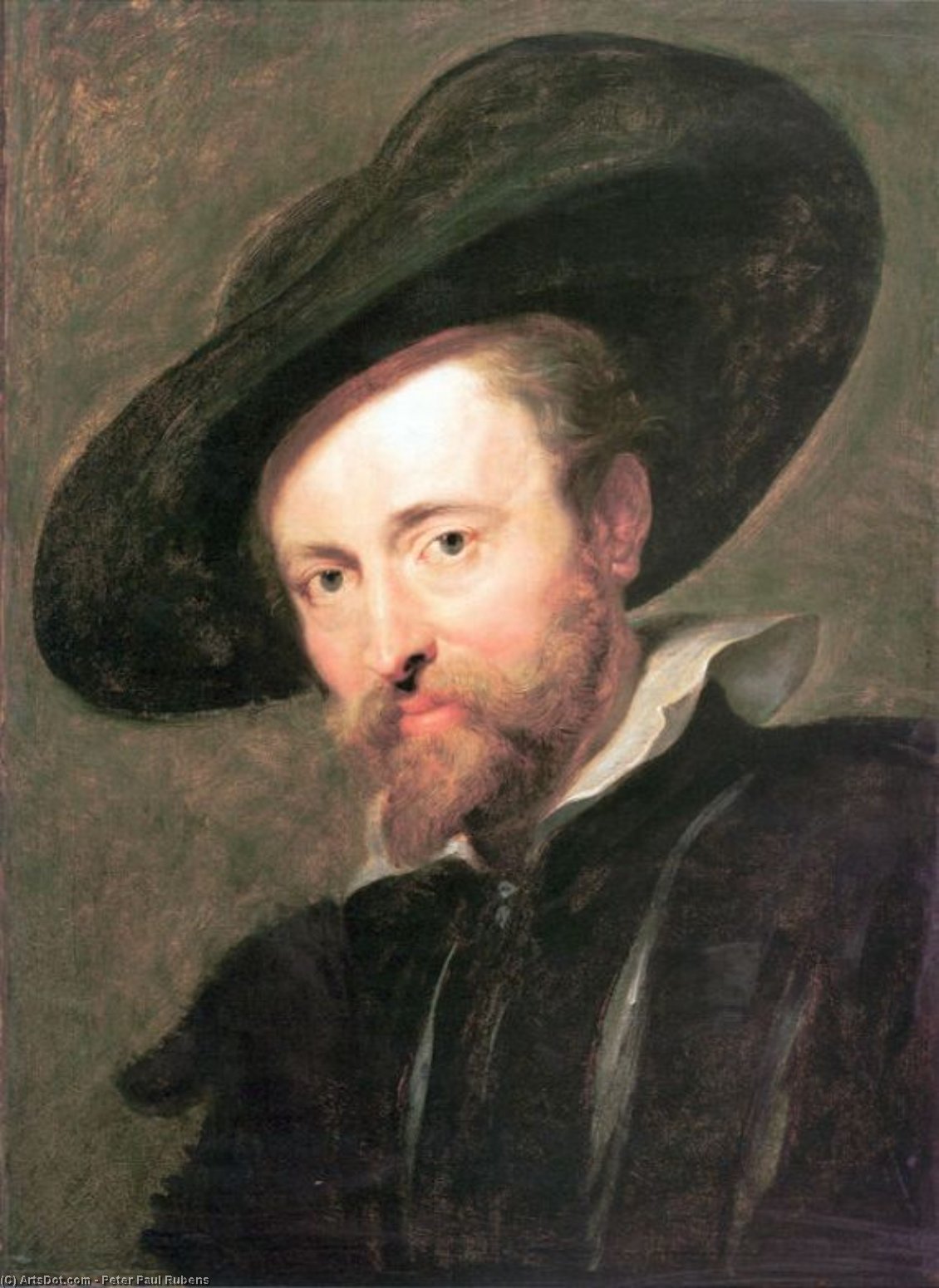
- Subject Matter: The portrait depicts Rubens himself, presenting an intimate glimpse into the mind and visage of one of Europe’s most celebrated artists.
- Style: Characteristic of Rubens' Baroque style, this piece embodies dynamism and grandeur—a hallmark of the period’s artistic fervor.
Rubens’ meticulous technique is immediately apparent. Executed in oil on canvas, he employed a layering process known as *glazing*, applying thin translucent layers of pigment over thicker undercoats to achieve luminous color saturation and unparalleled depth. The artist skillfully utilized chiaroscuro—the dramatic interplay between light and shadow—to sculpt Rubens' form with remarkable precision, emphasizing musculature and conveying an aura of confident repose. Notice the careful rendering of textures: the velvety sheen of his beard, the subtle folds of his clothing, all testament to Rubens’ unwavering dedication to realism within a stylized framework.
- Composition: The portrait's arrangement is thoughtfully balanced, featuring Rubens seated against a backdrop that incorporates a chair, dining table and vase—elements that contribute to the overall sense of sophistication and stability.
- Symbolism: The inclusion of these objects speaks to Rubens’ status as a wealthy patron and scholar, reflecting his intellectual pursuits alongside his artistic achievements.
Beyond its aesthetic qualities, ‘Self Portrait’ offers a poignant reflection on the artist's inner life—a rare opportunity to observe Rubens contemplating his own identity amidst the turbulent currents of 17th-century Europe. The gaze directed outwards conveys both introspection and awareness of his role as a cultural figure, solidifying Rubens’ legacy as an unparalleled innovator and one of the Baroque period’s most enduring icons. This artwork stands as a testament to Rubens' mastery—a captivating visual record of a man who transformed art history forever.
Exploring Further Artistic Treasures
- Consider examining Rubens’ monumental “Decius Mus Addressing the Legions” – a stirring depiction of Roman heroism infused with classical influences.
- Don't miss "Venus in Fur Coat," showcasing Rubens’ masterful command of color and sensual beauty, capturing the essence of Baroque opulence.
Bringing Rubens’ Vision Home
A high-quality reproduction of ‘Self Portrait’ can infuse your interior space with the spirit of Baroque grandeur—a celebration of artistic brilliance and humanist ideals.