A Study in Mythological Drama: Rubens’ Silenus and Satyrs
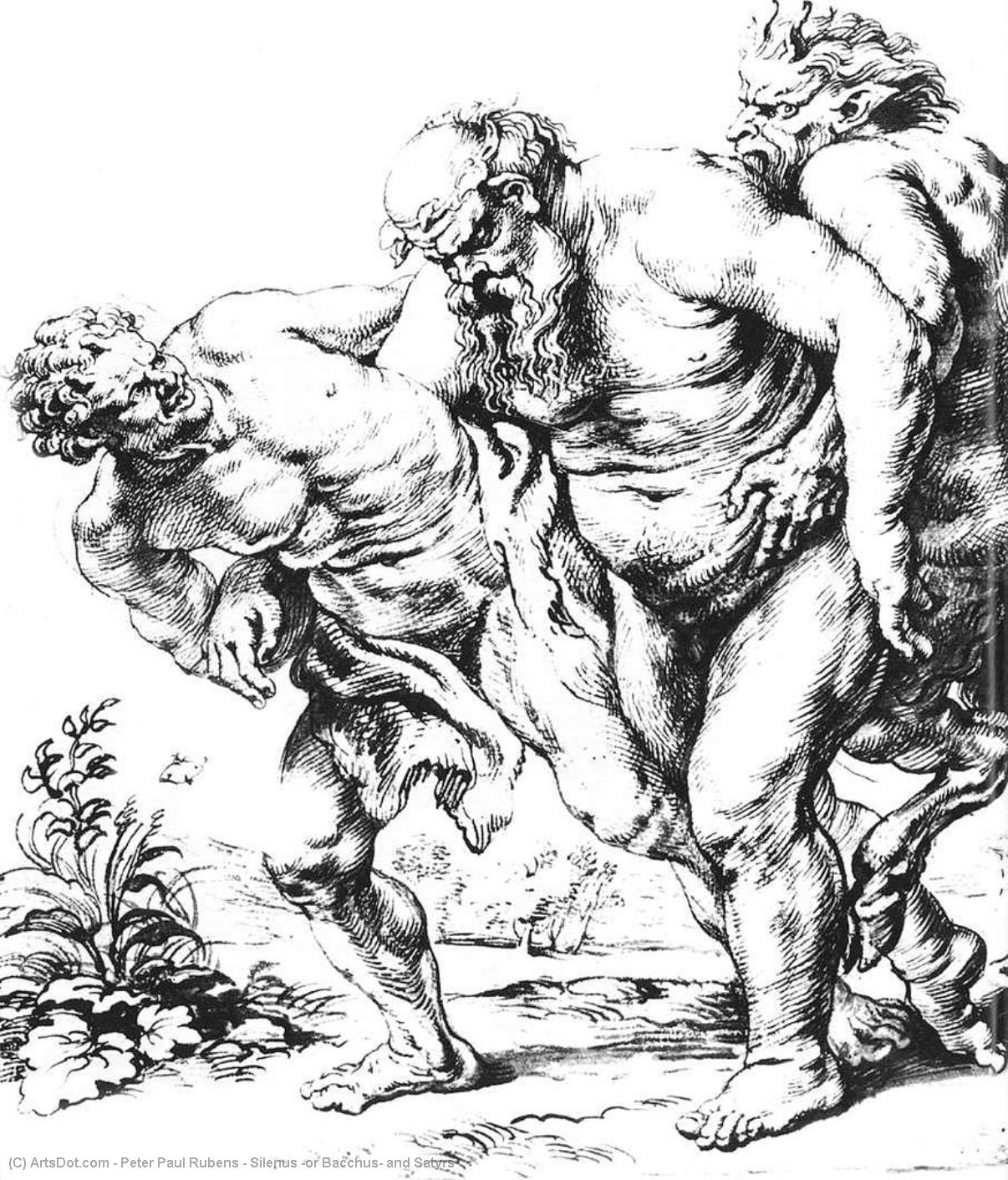
Peter Paul Rubens’ “Silenus (or Bacchus) and Satyrs,” completed around 1616, stands as a testament to the artist's unparalleled ability to distill complex mythological narratives into powerfully expressive visual form. More than just a depiction of Dionysian revelry—a cornerstone of Baroque art—this drawing represents a crucial preparatory study for a larger canvas, offering invaluable insight into Rubens’ artistic process and his profound understanding of human anatomy and emotion.
- Subject Matter & Context: The scene draws inspiration from Greek mythology, portraying Silenus, the aged tutor of Dionysus (Bacchus), surrounded by Satyrs – mischievous spirits embodying wildness and sensual indulgence. Rubens’ fascination with classical antiquity was evident throughout his oeuvre, reflecting a broader cultural preoccupation with reviving Greco-Roman ideals during the Counter Reformation.
- Style & Technique: Executed in charcoal on paper, “Silenus and Satyrs” exemplifies Rubens’ signature Baroque style—characterized by dynamism, dramatic lighting, and meticulous attention to detail. The artist employed a masterful blend of hatching and crosshatching techniques, layering lines with remarkable precision to build up volume and texture, capturing the palpable physicality of the figures.
- Composition & Anatomy: Rubens skillfully utilizes a triangular compositional structure, anchoring the central male figures while directing the viewer’s gaze towards the core action. The anatomical rendering is exceptional, demonstrating Rubens' meticulous observation of human musculature and conveying an astonishing level of realism. Each muscle fiber is painstakingly rendered, contributing to the overall impression of movement and tension.
- Symbolism & Emotion: Beyond its visual splendor, “Silenus and Satyrs” resonates with symbolic significance. The postures and expressions of the figures communicate a spectrum of emotions – exertion, defiance, and contemplation—reflecting the inherent contradictions within human experience. The interaction between Silenus and the Satyrs speaks to themes of wisdom versus instinct, restraint versus abandon.
- Historical Significance: Created during Rubens’ prolific period in Antwerp and later Brussels, this drawing underscores his role as a leading artistic innovator. It foreshadows the grandeur and emotional intensity that would define his monumental paintings, cementing his legacy as one of the greatest Baroque artists of all time. Its inclusion in preparatory sketches highlights Rubens' dedication to perfecting his craft before embarking on larger commissions.
A reproduction of “Silenus (or Bacchus) and Satyrs” captures not only the visual beauty of Rubens’ masterful technique but also the spirit of Baroque art—a celebration of human potential and a profound engagement with timeless mythological themes. Bring this iconic artwork into your home or office and experience its enduring power.