A Vision of Divine Judgment: Exploring Rubens’ “Small Last Judgement”
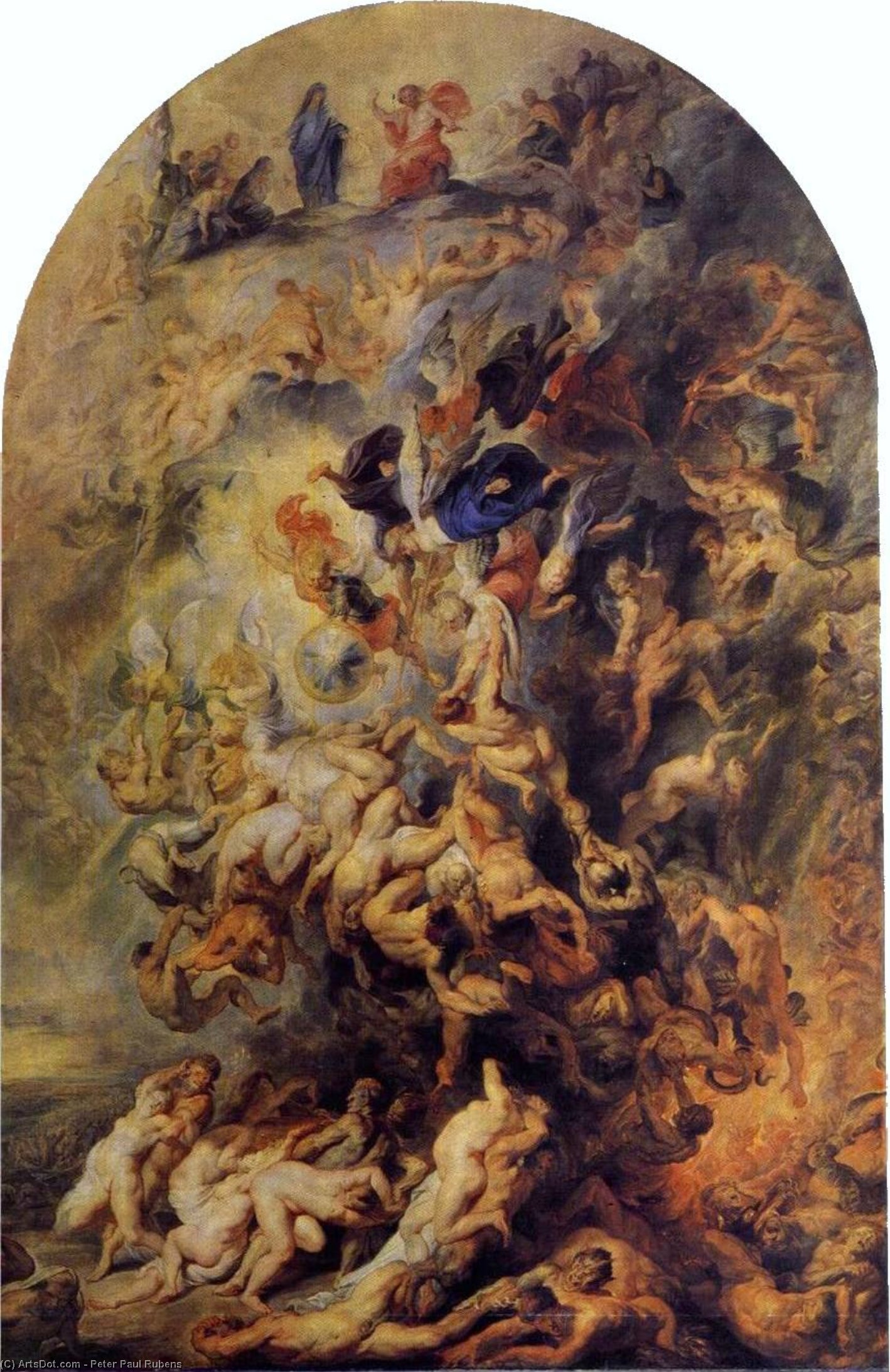
Peter Paul Rubens' "Small Last Judgement" is a powerful and dynamic depiction of one of Christianity’s most potent narratives – the final reckoning. Painted in 1619, this oil on canvas (183 x 119 cm) housed at the Alte Pinakothek in Munich isn’t merely an illustration of biblical prophecy; it's a masterclass in Baroque drama and emotional intensity. The painting explodes with movement, swirling figures caught between hope and despair, all orchestrated around the central figure of Christ as Judge. Rubens doesn’t offer serene contemplation but rather a visceral experience of divine power and human consequence.
Baroque Brilliance: Style & Technique
The artwork is quintessential Rubens – embodying the hallmarks of the Baroque style.
Dynamic composition, rich color palettes, and dramatic *chiaroscuro* (the interplay of light and shadow) are all prominently featured. Rubens’ technique is characterized by a masterful handling of oil paint; layers of glaze build depth and luminosity, creating a sense of palpable texture in the billowing draperies, muscular bodies, and turbulent skies. The sheer number of figures – angels, demons, resurrected souls – crammed into the canvas contributes to the overwhelming feeling of chaos and urgency. Notice how Rubens uses diagonal lines to propel the viewer’s eye through the scene, emphasizing the upward movement towards divine judgment and the downward spiral into damnation.
- Brushwork: Loose and expressive, conveying energy and emotion.
- Color Palette: Warm tones dominate – reds, golds, and browns – contrasted with darker shades to heighten drama.
- Compositional Focus: A central vortex draws the eye towards Christ, while surrounding figures react in fear or hope.
Historical & Religious Context
“Small Last Judgement” emerges from a period of religious and political upheaval. The Counter-Reformation was in full swing, and the Catholic Church sought to reaffirm its doctrines through powerful visual imagery. Rubens, a devout Catholic, responded with works that were both intellectually sophisticated and emotionally engaging. This painting reflects the anxieties of the time – the fear of divine retribution and the importance of faith and repentance. It’s also important to note Rubens' deep understanding of classical art; he drew inspiration from Renaissance masters like Michelangelo, evident in the muscular figures and dynamic poses. The subject matter itself—the Last Judgement—was a popular theme during this era, serving as a potent reminder of mortality and the need for spiritual preparedness. The existence of a “Great Last Judgement” by Rubens suggests this smaller version may have been intended for more private devotion or a different setting than its larger counterpart.
Symbolism & Emotional Resonance
Every element within "Small Last Judgement" carries symbolic weight.
The cross, central to the composition, represents salvation and redemption. Angels descend from heaven bearing symbols of judgment – trumpets and scales. Demons drag the damned into the fiery depths of hell. The figures themselves embody a range of human emotions: terror, anguish, hope, and resignation. Rubens doesn’t shy away from depicting the horrors of damnation, but he also offers glimpses of grace and mercy. The painting isn't simply about punishment; it's about the consequences of choices and the ultimate triumph of divine justice. The emotional impact is profound – a reminder of our own mortality and the importance of living a virtuous life. For interior designers, this artwork provides a dramatic focal point, adding depth and sophistication to any space. Its rich colors and dynamic composition complement both traditional and contemporary settings.