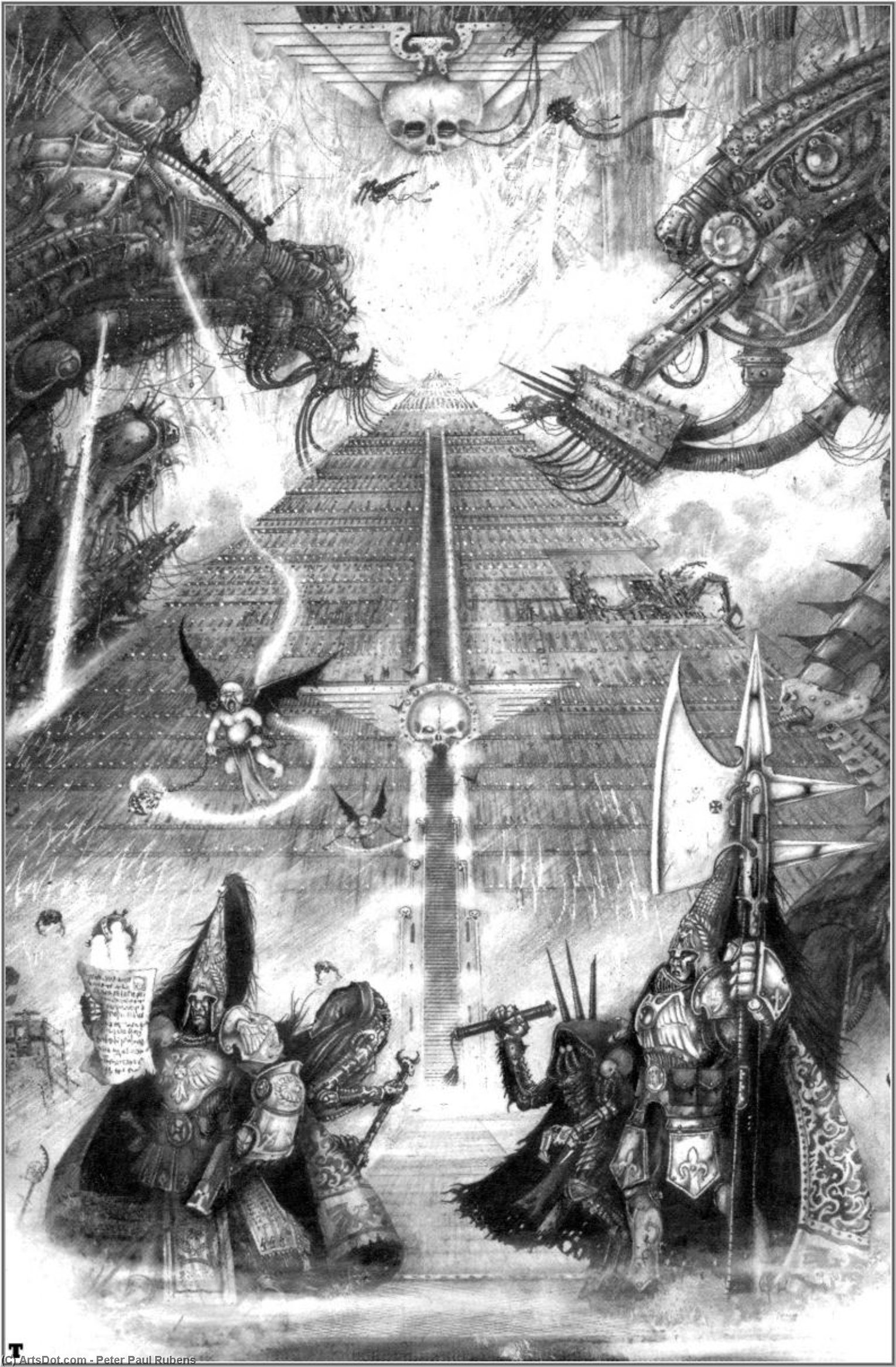
A Dramatic Encounter Within Spiritual Reflection
Peter Paul Rubens’ “St. Onufrij Instruct Monk,” completed around 1635, stands as a testament to the fervor and intellectual depth of the Baroque era. More than just a depiction of religious iconography, it's an immersive experience into a meticulously crafted tableau that speaks volumes about humanist ideals and the profound contemplation of mortality – themes central to the Counter-Reformation’s artistic ambitions.
- Artist: Sir Peter Paul Rubens (1577–1640) – A Flemish titan whose influence extended across Europe, Rubens was celebrated for his dynamic compositions and masterful use of color.
- Dimensions: 42 x 28 cm – This relatively modest size belies the monumental ambition conveyed within its frame.
- Date: Unknown – The precise timeframe remains elusive, adding to the artwork’s mystique and cementing its place as a cornerstone of Baroque artistic heritage.
Style & Technique: Baroque Dynamism Embodied
Rubens' signature style is instantly recognizable—characterized by exuberant movement, rich color palettes, and an unparalleled sensitivity to human emotion. “St. Onufrij Instruct Monk” exemplifies these principles perfectly. Executed primarily in oil on canvas using hatching, cross-hatching, and stippling techniques, the artist achieved remarkable tonal variations that capture the subtle nuances of light and shadow.
The meticulous linework—primarily employed to delineate architectural elements and armor—creates a palpable sense of texture. Rubens’ masterful handling of perspective contributes significantly to the artwork's illusionistic depth, transporting viewers into a convincingly rendered monastic setting. The artist skillfully utilized wooden panels as support medium for this monumental piece.
Symbolism & Narrative Depth
Beyond its aesthetic brilliance, “St. Onufrij Instruct Monk” is laden with symbolic significance. The central figure of St. Onufrij—a revered saint known for his unwavering faith and ascetic devotion—represents spiritual wisdom and guidance. His posture exudes solemn contemplation as he holds a skull – a potent reminder of human mortality and the importance of confronting existential questions.
The monk kneeling before him embodies humility and receptiveness, symbolizing the pursuit of divine knowledge through prayer and scripture. The surrounding landscape—characterized by rugged rock formations—further reinforces the theme of solitude and spiritual retreat. These elements converge to create a narrative that transcends mere visual representation, inviting viewers to engage in profound introspection.
Emotional Impact & Legacy
"St. Onufrij Instruct Monk" resonates with an enduring emotional power – conveying both solemn reverence and palpable drama. Rubens’ ability to capture the human spirit within a framework of religious symbolism cemented his place as one of the most influential artists of his time, inspiring generations of painters and shaping the artistic landscape of Europe.
A reproduction of this masterpiece offers an opportunity to experience firsthand the grandeur and intellectual richness of Baroque art. Bring the contemplative atmosphere of Rubens’ studio into your home or office – a timeless testament to human artistry and spiritual contemplation.