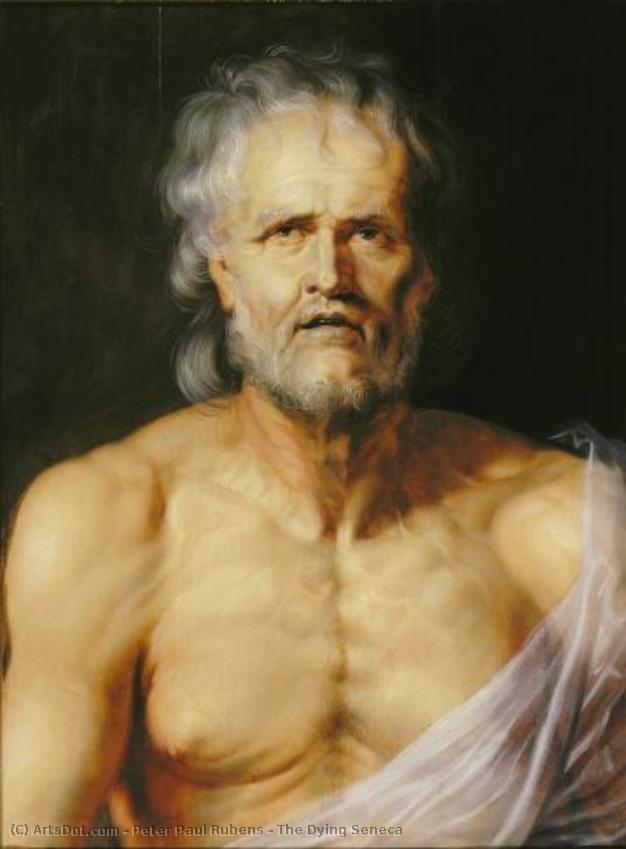
Rubens’ "The Dying Seneca": A stunning Baroque portrait of wisdom & mortality. Witness meticulous detail, dramatic lighting & rich textures in this classic masterpiece.
Sir Peter Paul Rubens: A Baroque master! Known for dynamic compositions, vibrant colors & iconic works like 'The Massacre of the Innocents.' Explore his life & art.
A Portrait of Decline: Examining Rubens’ “The Dying Seneca”
Sir Peter Paul Rubens' "The Dying Seneca" stands as a monumental achievement in Baroque portraiture, capturing not merely an image but an essence—the poignant confrontation between intellect and mortality. Painted circa 1609-10 during his prolific period in Rome, this masterpiece transcends mere representation; it’s a profound meditation on the human condition, rendered with unparalleled skill and imbued with symbolic resonance. The artwork immediately commands attention through its dramatic composition: a tightly cropped depiction of Seneca, the Roman philosopher renowned for his stoicism and erudition, lying prone upon a draped cloth. Rubens eschews conventional grandeur, opting instead for an intimacy that compels viewers to confront the subject’s vulnerability—a deliberate choice reflecting the Baroque fascination with psychological realism.
Style and Technique: The Baroque Embrace of Emotion
Rubens' mastery is evident in every brushstroke. He employs the hallmarks of Baroque style – intense chiaroscuro (contrast between light and dark) – skillfully manipulating illumination to sculpt Seneca’s face and torso, emphasizing wrinkles and shadows that convey age and suffering. Thick impasto technique—applying paint thickly onto the canvas—creates a palpable textural richness, mirroring the physicality of decay. The artist meticulously observes anatomical detail, capturing the subtle musculature beneath the skin with astonishing accuracy. Furthermore, Rubens utilizes color palettes dominated by muted browns, grays, and ochres, mirroring the somber mood of the scene and reinforcing the overarching theme of decline. These colors aren’t merely decorative; they communicate a deep understanding of how pigment can evoke emotion and convey psychological states.
Historical Context: Stoicism Under Siege
“The Dying Seneca” emerged during a turbulent period in European history—the Counter-Reformation—when Catholic dogma sought to reaffirm its authority amidst the challenges posed by Protestantism. Seneca’s philosophy, advocating acceptance of fate and detachment from worldly desires, resonated powerfully with humanist ideals prevalent at the time. Rubens' depiction reflects this intellectual climate, presenting Seneca as a figure grappling with mortality while embodying the virtues of wisdom and resilience. The artwork serves as a visual commentary on the anxieties surrounding death and decay—themes central to Baroque art’s exploration of human experience.
Symbolism: Beyond Appearance – A Reflection of Inner Turmoil
The symbolism embedded within “The Dying Seneca” extends far beyond its surface depiction. The slumped posture signifies defeat, yet simultaneously embodies Seneca's unwavering commitment to philosophical contemplation. The drapery—a common motif in Baroque art—represents the shroud of death and underscores the inevitability of mortality. Subtle hints of purple in Seneca’s hair and skin tones symbolize royalty and dignity, juxtaposed with the vulnerability of physical deterioration. Rubens skillfully utilizes visual cues to communicate complex ideas about human nature and spiritual fortitude.
Emotional Impact: A Moment Frozen in Time
Ultimately, “The Dying Seneca” succeeds in capturing a profound emotional response from the viewer. The artwork’s unsettling realism confronts us with the fragility of life and prompts contemplation on themes of suffering, wisdom, and acceptance. Rubens' masterful technique—particularly his dramatic lighting and textural richness—creates an immersive experience that transcends mere visual observation. It is this ability to evoke empathy and provoke introspection that secures “The Dying Seneca” its place as one of the most enduring portraits of the Baroque era – a testament to Rubens’ unparalleled artistic vision.