A Moment of Defiance Captured in Baroque Splendor
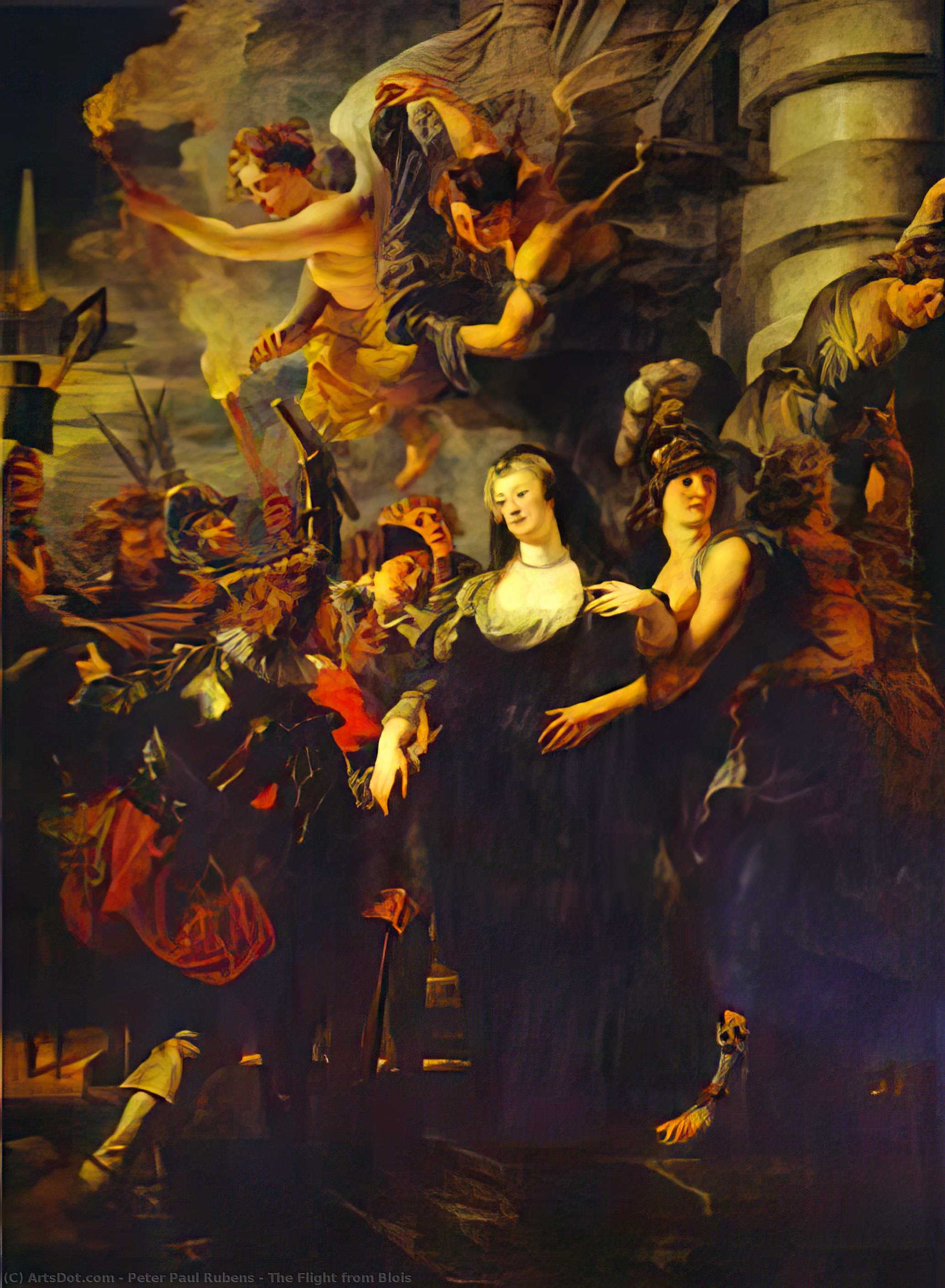
In the grand tapestry of European history, few moments possess the cinematic tension found in Peter Paul Rubens’ The Flight from Blois. This masterpiece is far more than a mere historical record; it is a visceral snapshot of courage and political upheaval. Created between 1622 and 1625, the painting serves as a pivotal chapter in the expansive Marie de’ Medici cycle, a series commissioned by the Queen herself to immortalize her journey from a Florentine princess to the formidable Queen of France. As viewers gaze upon the canvas, they are transported to a time of dynastic maneuvering and religious strife, witnessing a moment where the fate of a monarchy hangs in the balance.
The scene unfolds with an almost breathless urgency, capturing the Queen’s escape from confinement during the turbulent reign of Henry IV and Louis XIII. Rubens does not merely depict a departure; he orchestrates a drama of survival. The composition is thick with movement, as figures clash and surge across the canvas, creating a sense of palpable chaos that is simultaneously held together by the artist's masterful hand. For the collector or lover of fine art, this piece offers an unparalleled window into the high stakes of 17th-century court life, making it a profound centerpiece for any collection dedicated to the era of absolute monarchs.
The Mastery of Light and Allegorical Grandeur
Technically, The Flight from Blois is a triumph of the Flemish Baroque style. Rubens employs the dramatic technique of tenebrism, utilizing sharp, theatrical contrasts between deep shadows and brilliant highlights to sculpt the figures and heighten the emotional stakes. This use of chiaroscuro lends a three-dimensional weight to the characters, making the folds of Marie’s gown and the glint of steel on soldiers' swords feel strikingly real. His brushwork is meticulous yet energetic, ensuring that even amidst the swirling battle, every expression and texture contributes to the overarching narrative of tension.
Beyond the physical struggle, Rubens weaves a complex web of symbolism into the composition. The central figure of Marie de’ Medici stands with an unwavering resolve, her strength bolstered by allegorical figures that transcend the immediate violence. A majestic lion, representing France, and the presence of Aurora, the goddess of dawn, serve as powerful emblems of hope, renewal, and the inevitable rise of a new era. By omitting depictions of pure despair and instead focusing on heroic determination, Rubens elevates a political escape into a mythic triumph. This layer of intellectual depth makes the painting an exquisite choice for interior spaces that demand both visual impact and narrative sophistication.
An Eternal Legacy for the Discerning Eye
For interior designers and art enthusiasts seeking to infuse a space with historical gravity, this work offers a unique opportunity to engage with the very essence of the Baroque movement. The vibrant palette—pulsating with rich pigments that capture the dynamism of the scene—provides a sophisticated focal point that can anchor a room with elegance and drama. Whether displayed in a formal gallery or as a statement piece in a contemporary study, the painting’s ability to evoke emotion is timeless.
Owning a high-quality reproduction of such a significant work allows one to bring the grandeur of the Gemaldegalerie Donaueschingen into the private home. It is an invitation to contemplate the resilience of the human spirit and the artistry of a master who could turn a moment of political flight into an eternal dance of light, shadow, and heroism. The Flight from Blois remains a testament to Rubens’ genius, offering a profound sense of movement and majesty that continues to captivate the modern imagination.