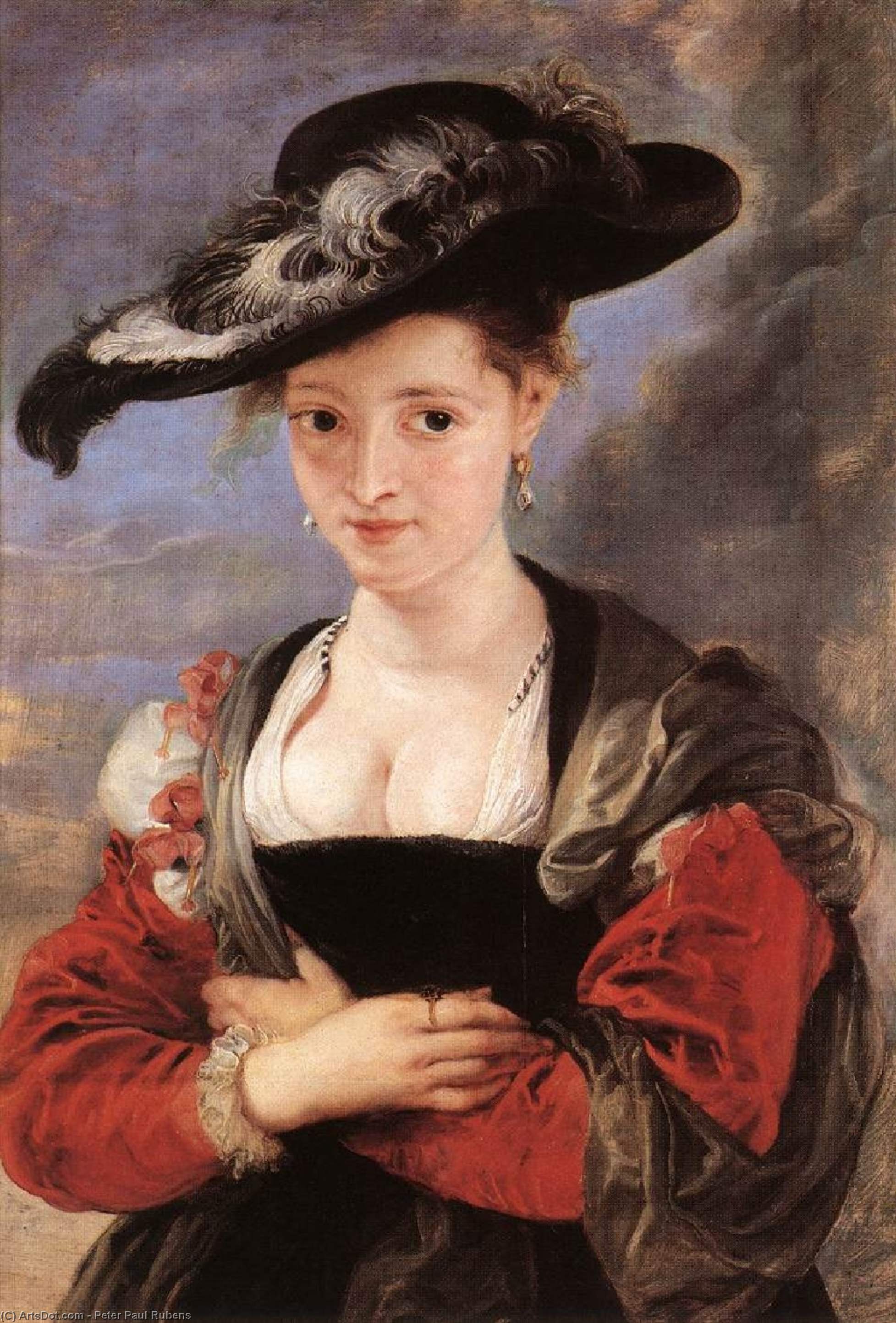
A captivating Baroque portrait of a woman in an elegant feathered hat by master Peter Paul Rubens captures timeless grace through dramatic light and shadow, inviting you to bring this piece of history into your collection.
Sir Peter Paul Rubens: A Baroque master! Known for dynamic compositions, vibrant colors & iconic works like 'The Massacre of the Innocents.' Explore his life & art.
Explore European art from the 13th-19th centuries at London's National Gallery! Discover masterpieces by Van Gogh, Rembrandt & more – free entry!
A Portrait Steeped in Baroque Drama: Examining Rubens’ “The Straw Hat”
“The Straw Hat,” painted by Sir Peter Paul Rubens in 1625, transcends mere visual representation; it embodies the very spirit of the Baroque era—a period defined by opulent grandeur, theatrical emotion, and a masterful manipulation of light and shadow. Currently residing within the hallowed halls of the National Gallery in London, this canvas offers an unparalleled glimpse into the artistic sensibilities of one of Europe’s most influential figures.
Subject Matter and Composition
At its core lies a captivating portrait of a woman whose gaze holds the viewer captive. Rubens meticulously captures her expression—a subtle blend of serenity and contemplation—against a backdrop of a turbulent sky, mirroring the emotional intensity characteristic of Baroque art. The hat itself, adorned with feathers and embellished with pearls, serves as more than just an accessory; it symbolizes status and refinement, reflecting the societal values prevalent during Rubens’ time. The artist's keen eye for detail ensures that every element contributes to the overall narrative, creating a harmonious balance between subject and environment.
Rubensian Style: Chiaroscuro and Dynamic Movement
Rubens’ distinctive Baroque style is immediately apparent through his masterful use of chiaroscuro—the dramatic interplay of light and dark—which sculpts the woman's face and imbues the painting with palpable energy. Unlike earlier Renaissance styles, Rubens prioritized conveying emotion over idealized beauty, prioritizing dynamism and movement to capture the essence of human experience. The brushstrokes are loose and expressive, reflecting a desire to portray not just what is seen but also what is felt. This technique elevates “The Straw Hat” beyond a simple likeness, transforming it into an embodiment of Baroque artistic ideals.
Historical Context: Rubens’ Patronage and Artistic Legacy
Born in Siegen, Germany, in 1577, Peter Paul Rubens ascended to prominence as a diplomat and artist during the reign of James I of England. His prolific output—spanning monumental canvases like “The Descent from Calvary” and “The Elevation of the Cross”—established him as a cornerstone of Flemish Baroque art. Rubens’ commissions frequently drew inspiration from classical mythology and Christian narratives, demonstrating his erudition and reflecting the intellectual currents of his era. The patronage he secured from influential figures solidified his position at the forefront of artistic innovation, ensuring that his legacy would endure for centuries to come.
Symbolism Beyond Appearance
The pearl necklace encircling the woman’s neck symbolizes purity and virtue—values considered paramount in Baroque society. Furthermore, the feathers adorning her hat represent nobility and elegance, reinforcing the portrait's message of refined femininity. Rubens skillfully employs symbolism to enrich the narrative, inviting viewers to contemplate deeper meanings beneath the surface beauty of the image.
Emotional Resonance: A Window into Human Experience
“The Straw Hat” continues to resonate with audiences today because it captures a profound truth about human emotion—the ability to convey inner thoughts and feelings through outward expression. Rubens’ masterful technique allows for an intimate connection between the viewer and the subject, fostering contemplation on themes of beauty, grace, and resilience. It stands as a testament to the enduring power of art to illuminate the complexities of the human condition.