Hand-painted reproduction of Caravaggio’s iconic biblical scene.
Sir Peter Paul Rubens: A Baroque master! Known for dynamic compositions, vibrant colors & iconic works like 'The Massacre of the Innocents.' Explore his life & art.
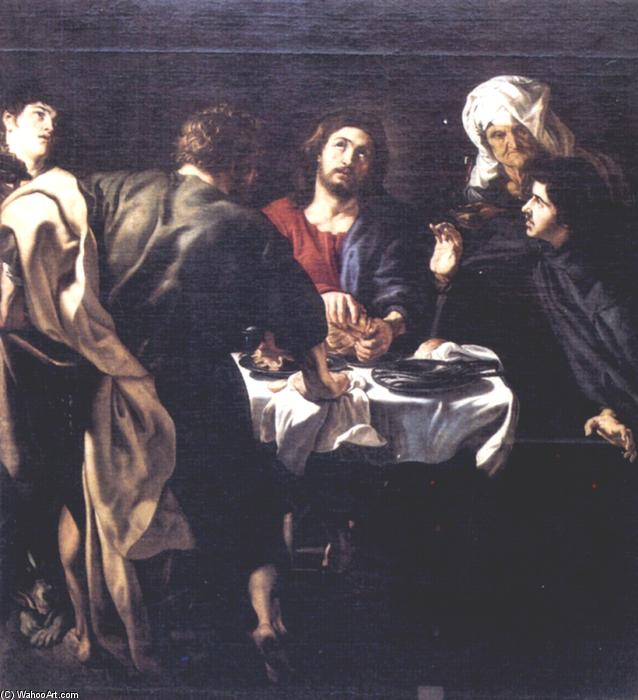
The Supper at Emmaus
Peter Paul Rubens’ *The Supper at Emmaus* stands as a cornerstone of Baroque art, embodying the movement's dramatic flair and profound spiritual contemplation. Created in 1610 during a period of artistic ferment in Antwerp—a city brimming with intellectual curiosity and papal patronage—this monumental oil painting transcends mere depiction; it strives to convey an experience of revelation itself. Measuring 205 x 188 cm, the canvas currently resides within the Rubens House Museum, offering visitors a privileged glimpse into the artist’s creative process and artistic vision.
A Symphony of Light and Shadow
Rubens' masterful manipulation of chiaroscuro—the interplay between light and dark—immediately establishes the painting's dominant mood. Unlike the serene idealism prevalent in Renaissance art, Baroque painters sought to capture emotion with visceral intensity. Rubens achieves this through a calculated use of tenebrism, plunging much of the scene into darkness while highlighting Jesus’s figure and his disciples with radiant illumination. This technique isn’t merely stylistic; it serves as a conduit for conveying spiritual drama—the sudden appearance of Christ disrupting the mundane ritual of communion underscores the transformative power of faith. The dramatic lighting draws the viewer's gaze directly to the central character, emphasizing his divine presence amidst human vulnerability.
Influences from Caravaggio and Italian Baroque
Rubens’ artistic sensibilities were undeniably shaped by the revolutionary style pioneered by Michelangelo Merisi da Caravaggio. Caravaggio’s groundbreaking approach to illumination—characterized by stark contrasts and theatrical realism—provided Rubens with a crucial precedent for portraying biblical narratives with unprecedented emotional depth. As evidenced in *The Supper at Emmaus*, Rubens adopted Caravaggio's technique of using dramatic lighting to heighten the tension and expressiveness of his subjects, mirroring the Baroque preoccupation with capturing human emotion as it unfolds. This influence extends beyond mere stylistic imitation; it reflects a broader engagement with Italian artistic ideals—a desire to move beyond formal conventions toward a more visceral representation of spiritual experience.
The Narrative Depth of Biblical Symbolism
Beyond its technical brilliance, *The Supper at Emmaus* is rich in symbolic significance. The scene depicts Jesus’s resurrected appearance to two disciples who had initially doubted his divinity. The inclusion of the scallop shell—a symbol of pilgrimage and devotion—represents Cleopas's journey toward spiritual understanding. Furthermore, the gesture of Cleopas reaching out towards Jesus embodies the yearning for divine grace and acceptance. Rubens skillfully portrays these elements within a carefully constructed composition that speaks to universal themes of faith, hope, and redemption. The painting’s stillness contrasts sharply with the dynamism of Caravaggio’s works, highlighting Rubens's commitment to conveying profound emotion through subtle gestures and expressions.
A Legacy Enduring Centuries
Today, *The Supper at Emmaus* continues to captivate audiences worldwide—a testament to Rubens’ enduring artistic legacy. Its masterful execution—combined with its evocative depiction of a pivotal biblical moment—solidifies its place among the greatest achievements of Baroque art. The painting's ability to inspire contemplation and convey the transformative power of faith resonates across cultures and generations, ensuring that Rubens’ vision remains relevant in the 21st century. Explore this masterpiece at the Rubens House Museum in Antwerp and immerse yourself in the splendor of Baroque artistic expression.