A Celebration of Feminine Grace: Unveiling Rubens’ Masterpiece
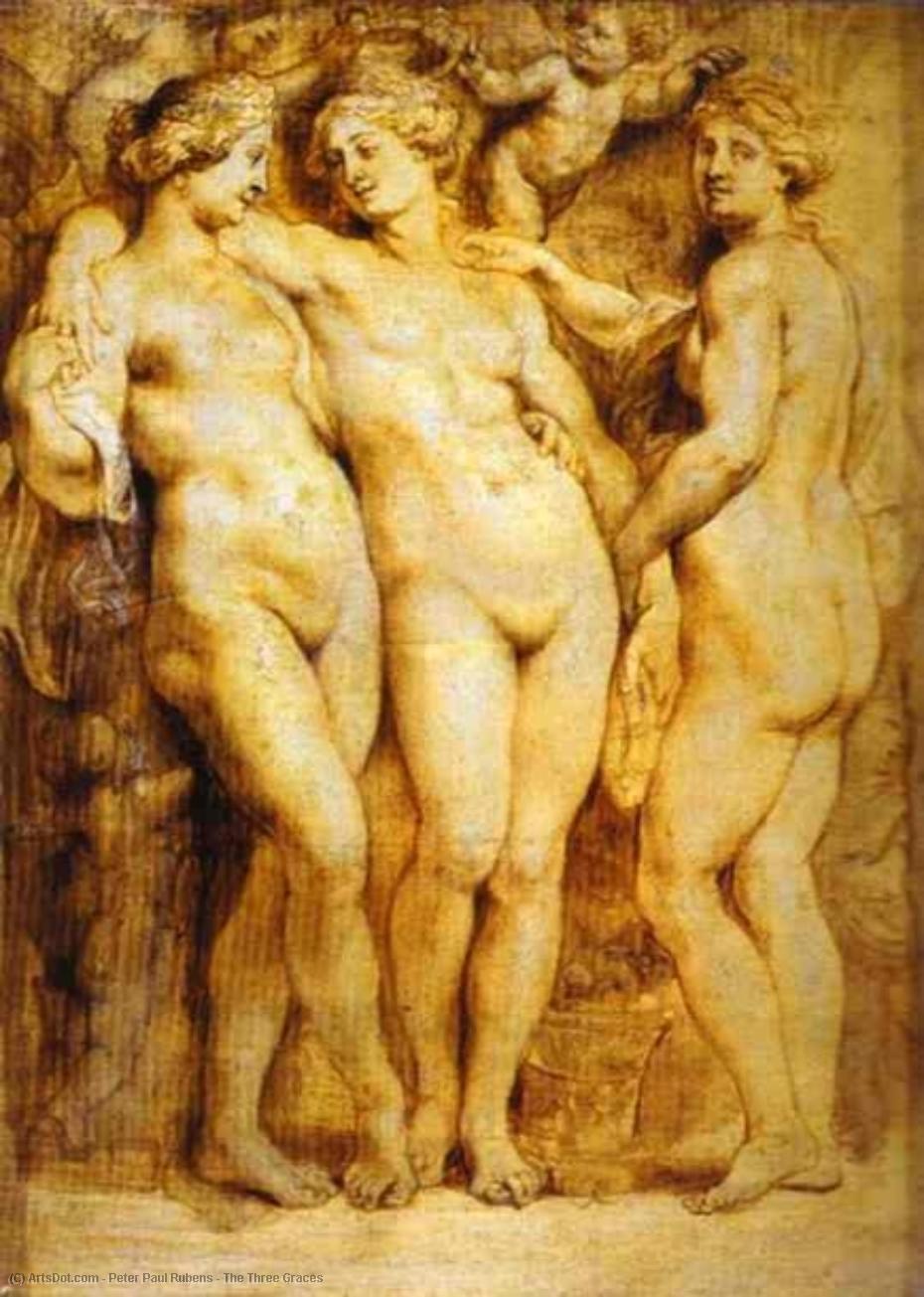
Peter Paul Rubens' *The Three Graces* is a captivating embodiment of Baroque artistry, radiating beauty and sensuality. This iconic oil painting, existing in multiple versions (most famously at the Museo del Prado in Madrid), isn't merely a depiction of mythological figures; it’s an exploration of ideal form, harmonious composition, and the very essence of grace itself.
Mythological Roots & Renaissance Revival
The subject matter draws from classical mythology – the Three Graces (Aglaea, Euphrosyne, and Thalia) were goddesses of charm, beauty, nature, human creativity, goodwill, and fertility. Rubens doesn’t present a narrative scene but rather a *tableau vivant*, a living picture showcasing their ethereal presence. The concept itself has roots in ancient Greek art, notably sculptures like the famed antique group discovered during the Renaissance which profoundly influenced artists of Rubens' time. He skillfully revives this classical ideal within a Baroque framework.
Baroque Brilliance: Style & Technique
Rubens was a leading figure of the Flemish Baroque movement, and *The Three Graces* exemplifies its key characteristics. The painting is characterized by
dynamic composition, rich color palettes—warm flesh tones contrasted with subtle background hues—and dramatic use of light and shadow (chiaroscuro). His brushwork is fluid and energetic, creating a sense of movement and vitality within the figures’ intertwined forms. Rubens' mastery lies in his ability to render anatomical detail with both realism *and* idealization; these are not simply nude women but embodiments of perfect beauty.
Symbolism & Interpretation
Beyond their individual attributes, the Three Graces collectively symbolize the qualities that enhance life – joy, brilliance, and flourishing. Their intertwined pose suggests a harmonious relationship, representing the interconnectedness of these virtues. Some interpretations also see them as representing different aspects of love: beauty, charm, and creativity. The subtle inclusion of a cherub in some versions adds to the painting’s allegorical depth, hinting at divine blessing or playful innocence.
Historical Context & Rubens' Legacy
Created between 1630-1635, *The Three Graces* reflects the artistic and intellectual climate of 17th-century Europe. Rubens served as a diplomat alongside his artistic pursuits, exposing him to diverse cultural influences. His work was highly sought after by royalty and nobility, and he became one of the most influential artists of his time. This painting demonstrates his ability to blend classical ideals with Baroque dynamism, establishing a style that would inspire generations of artists.
Emotional Impact & Interior Design
*The Three Graces* evokes feelings of serenity, beauty, and sensuality. The soft curves of the figures and harmonious composition create a visually pleasing experience. Its warm tones and graceful forms make it an ideal focal point for interiors seeking to convey elegance and sophistication. A reproduction of this masterpiece would lend a touch of classical refinement to living rooms, bedrooms, or studies—a timeless addition to any art collection.
- Ideal For: Collectors of Baroque art, enthusiasts of mythology, those seeking elegant wall décor.
- Pairing Suggestions: Complement with antique furniture, rich textiles, and warm lighting to enhance the painting’s luxurious feel.
- Considerations: The painting's nude figures may not be suitable for all environments. Choose a setting where its artistic merit can be fully appreciated.