A Vision of Sensuality and Myth: Peter Paul Rubens’ *Venus at Her Toilet*
The Goddess Revealed
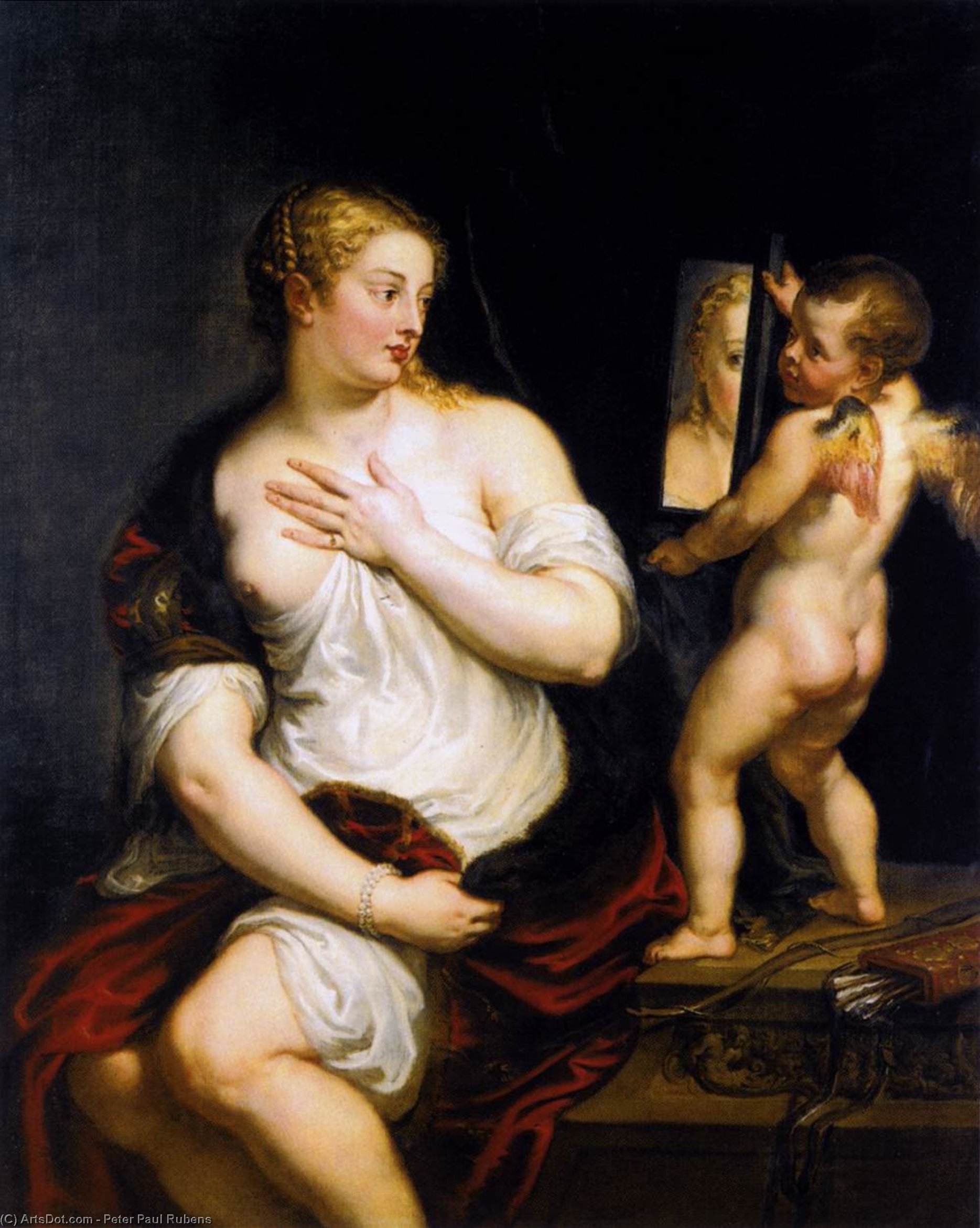
Peter Paul Rubens' *Venus at Her Toilet*, painted between 1613-1614, is a breathtaking depiction of the Roman goddess Venus – embodying love, beauty, and desire. The painting presents a moment of intimate preparation as Venus, attended by her handmaidens and Cupid, gazes into a mirror, seemingly contemplating her own allure. This isn’t merely a portrait; it's an exploration of feminine grace and the captivating power of beauty.
Baroque Grandeur & Artistic Technique
A quintessential example of Baroque artistry, *Venus at Her Toilet* showcases Rubens’ mastery of dynamic composition, rich color palettes, and dramatic chiaroscuro – the interplay of light and shadow. The figures are arranged in a circular pattern, drawing the viewer's eye towards Venus as the focal point. Rubens employed a layered oil painting technique, building up textures and luminosity through glazes, resulting in skin tones that appear remarkably lifelike and fabrics that shimmer with depth. His brushwork is visible yet refined, contributing to the overall sense of movement and vitality. The large scale (178 x 205 cm) commands attention, enveloping the viewer in the scene’s opulent atmosphere.
Historical Context & Rubens' Flourishing Career
Created during Rubens’ most prolific period while working in Antwerp, *Venus at Her Toilet* reflects the artistic climate of the early 17th century. The Baroque style was favored by royal courts and wealthy patrons who sought art that was both visually stunning and emotionally engaging. Rubens, having studied extensively in Italy, synthesized Italian Renaissance influences with Flemish traditions, creating a unique and powerful aesthetic. He became the leading painter of the Counter-Reformation, producing works for churches as well as aristocratic collectors.
Symbolism & Allegorical Meaning
Beyond its surface beauty, *Venus at Her Toilet* is rich in symbolism. The mirror doesn’t simply reflect Venus's physical form; it represents vanity, self-awareness, and the fleeting nature of beauty. Cupid, playfully present, symbolizes love and desire. The handmaidens assisting Venus represent not only her attendants but also aspects of feminine care and adornment. The partially draped figures allude to classical mythology and celebrate the human body as a source of pleasure and inspiration. Some scholars suggest the painting subtly references Rubens’ own marriage and his idealization of his wife, Helena Fourment, who is believed to have been the model for Venus.
Emotional Impact & Lasting Legacy
*Venus at Her Toilet* evokes a complex range of emotions – sensuality, contemplation, vulnerability, and perhaps even a touch of melancholy. The dark background creates an intimate atmosphere, drawing the viewer into Venus’s private world. Rubens doesn't present a cold or distant goddess; instead, he portrays a woman who is both powerful and relatable. This masterpiece continues to captivate audiences centuries later, inspiring artists, designers, and art lovers alike. Currently housed in the
Musée du Louvre in Paris, it remains one of Rubens’ most celebrated achievements.
Bringing Masterpiece Home: Reproduction Options
- For Collectors: Own a meticulously crafted, handmade oil painting reproduction of *Venus at Her Toilet*, capturing the nuances and brilliance of the original.
- For Interior Designers: Elevate any space with this iconic artwork. A high-quality reproduction adds sophistication and timeless elegance to homes, offices, or galleries.
- Available Formats: Choose from canvas prints or traditional oil paintings on canvas, tailored to your preferences and budget.