A Tender Embrace: Exploring Rubens’ “Virgin and Child”
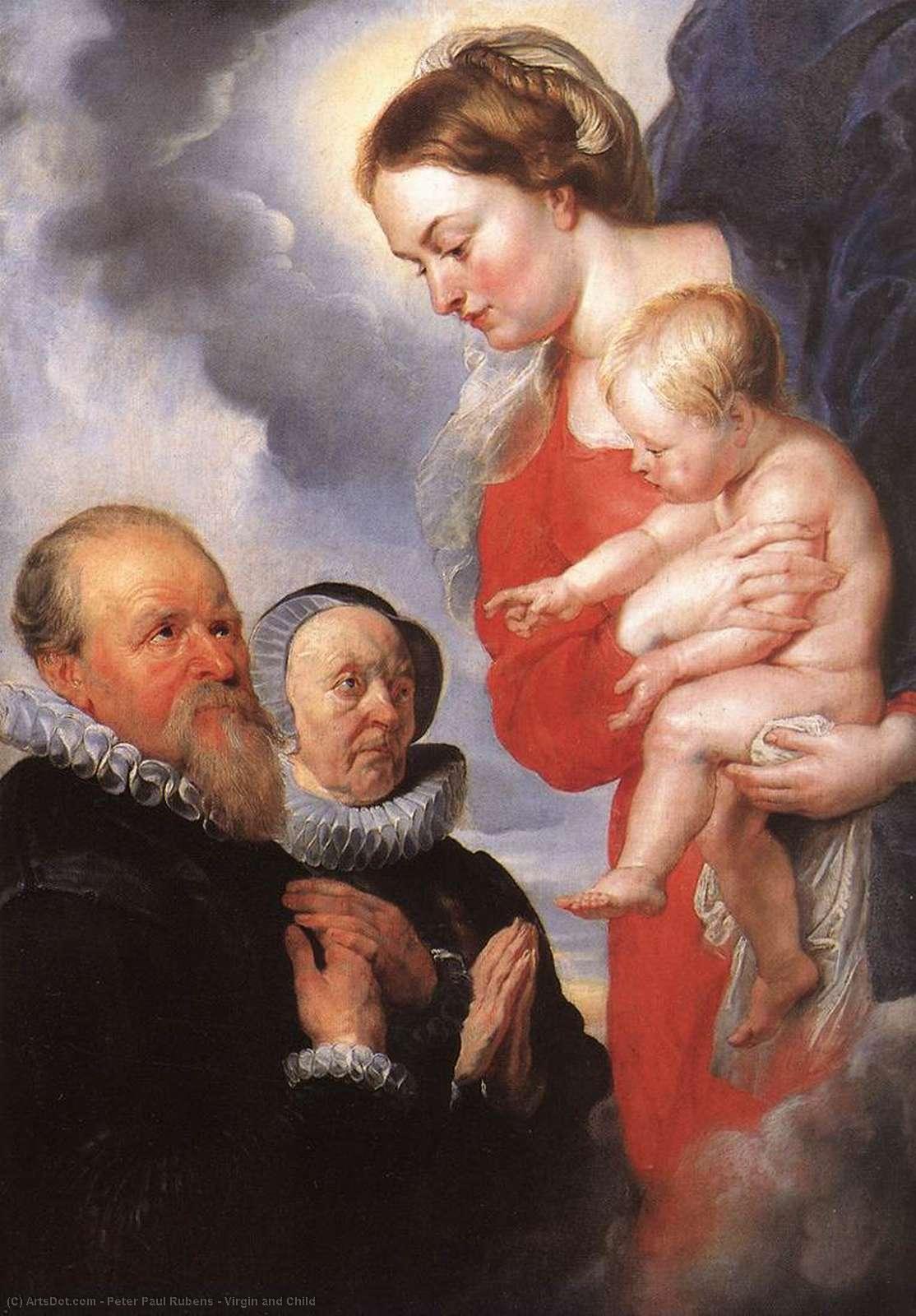
Peter Paul Rubens' "Virgin and Child," painted in 1604, is a captivating example of Baroque artistry that continues to resonate with viewers centuries later. Housed within the Musée des Beaux-Arts de Tours in France, this oil on panel painting offers a deeply moving depiction of maternal love and divine grace.
Subject and Composition
The artwork centers around the iconic image of the Virgin Mary tenderly holding the infant Jesus. The composition is intimate yet monumental, drawing the viewer into a scene of quiet devotion. Two figures are subtly present in the background, adding depth without distracting from the central focus. A carefully placed rock formation further enhances the sense of space and grounding within the painting. The pyramidal structure – with Mary and Christ at its apex – lends stability and visual harmony to the piece.
Baroque Style and Technical Mastery
Rubens, a leading figure of the Baroque movement, masterfully employs techniques characteristic of the era. The use of *chiaroscuro*—the dramatic interplay of light and shadow—creates depth, highlights key figures, and imbues the scene with emotional intensity. His brushwork is fluid and expressive, bringing a remarkable sense of life to the drapery folds and facial expressions. The rich color palette, achieved through layers of oil paint on panel, contributes to the painting’s overall warmth and luminosity.
Historical Context and Religious Symbolism
Created during the Counter-Reformation, “Virgin and Child” reflects a renewed emphasis on religious imagery intended to inspire faith and devotion. The book near the bottom left corner symbolizes sacred texts and spiritual knowledge, reinforcing the painting’s theological message. Rubens skillfully blends classical influences with Christian themes, a hallmark of Baroque art. His ability to portray human emotion with such sensitivity was highly sought after by patrons across Europe.
Emotional Impact and Interpretation
The painting evokes feelings of serenity, tenderness, and reverence. Mary’s gaze, filled with love and protectiveness, invites contemplation on the profound bond between mother and child. The gentle expression on the infant Jesus' face suggests a quiet acceptance of his divine destiny. Rubens doesn’t simply depict a religious scene; he creates an emotionally resonant experience for the viewer.
Key Details
- Artist: Peter Paul Rubens
- Title: Virgin and Child
- Date: 1604
- Medium: Oil on Panel
- Location: Musée des Beaux-Arts de Tours, France
- Style: Baroque
This masterpiece is a testament to Rubens’ genius and continues to inspire awe and admiration in all who encounter it. A stunning addition to any collection or interior space, “Virgin and Child” offers a timeless expression of faith, love, and artistic brilliance.