Sir Peter Paul Rubens: A Baroque master! Known for dynamic compositions, vibrant colors & iconic works like 'The Massacre of the Innocents.' Explore his life & art.
A Portrait of Grace Amidst Baroque Ornamentation: Examining Rubens’ ‘Woman’
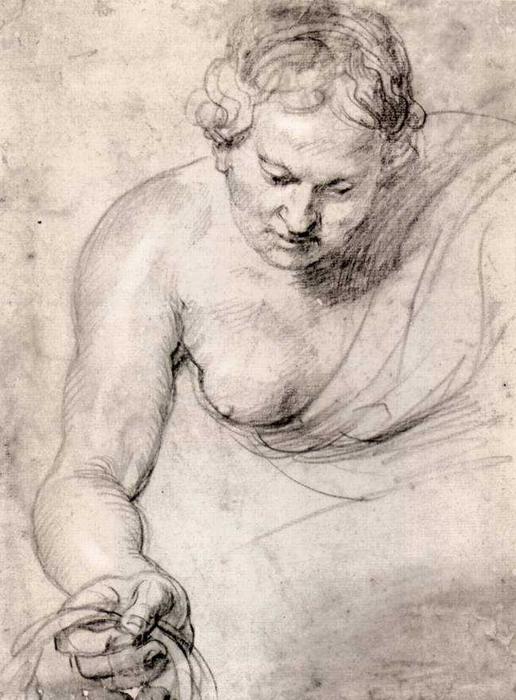
Sir Peter Paul Rubens's “Woman,” completed around 1628, stands as a testament to the grandeur and sophistication of the Baroque era—a period characterized by dramatic flair, opulent decoration, and an intense exploration of human emotion. Measuring just 32 x 24 centimeters, this unassuming canvas belies its profound artistic significance, offering a glimpse into Rubens’ meticulous approach to portraiture and his masterful command of color and form. The painting depicts a woman adorned in a toga—a symbol of Roman dignity and authority—holding a ball aloft with serene contemplation. This seemingly simple gesture encapsulates the essence of Baroque aesthetics: balance between restraint and exuberance, intellect and feeling.
Style and Technique: Rubens’ Signature Baroque Vision
Rubens's style is instantly recognizable through its dynamic composition and vibrant palette. Unlike earlier Renaissance portraits that prioritized idealized beauty and static poses, “Woman” vibrates with movement—captured subtly in the drapery folds and the woman’s posture. The artist employed a technique known as sfumato, blurring edges and softening contours to create an illusion of depth and luminosity. This masterful manipulation of light contributes significantly to the painting's ethereal quality, emphasizing the subject’s face and conveying a sense of inner tranquility. Rubens skillfully blended oil paints with glazing techniques—applying thin layers of translucent pigment over thicker undercoats—resulting in rich colors that shimmer and glow on the surface. The use of warm browns and reds dominates the color scheme, reflecting the prevailing artistic tastes of the time and enhancing the painting’s dramatic impact.
Historical Context: Antwerp's Artistic Zenith
“Woman” was created during Rubens’s prolific period in Antwerp—a city that served as a cultural epicenter for Flemish art during the 17th century. Rubens himself was deeply involved in shaping artistic trends, attracting artists from across Europe and fostering an environment of innovation. The portrait reflects the aristocratic patronage prevalent at the time, commissioned by wealthy families eager to showcase their status and refinement. Furthermore, it aligns with broader Baroque ideals—celebrating human beauty, commemorating heroic deeds, and conveying religious fervor—themes that resonated powerfully within the cultural landscape of Rubens’s era.
Symbolism: The Ball as Emblematic Gesture
The woman's hand holding a ball is more than just a decorative element; it functions as a symbolic gesture laden with meaning. Balls were frequently used in aristocratic circles to signify social status and sophistication, representing wealth, leisure, and refined taste. By presenting the ball—a tangible object—the woman’s gaze directs attention downwards, suggesting introspection or perhaps an appreciation for beauty itself. This subtle nuance underscores Rubens's ability to imbue his artwork with layers of psychological complexity—capturing not only physical appearance but also inner character.
Emotional Impact: Tranquility and Dignity Embodied
Ultimately, “Woman” succeeds in conveying a profound sense of tranquility and dignity. The woman’s serene expression and graceful posture embody the Baroque ideal of noble composure—a deliberate contrast to the turbulent emotions prevalent in other artistic expressions of the period. Rubens's meticulous attention to detail—particularly in rendering the texture of fabric and capturing the subtle nuances of light—creates an immersive experience for the viewer, inviting contemplation on themes of beauty, femininity, and inner peace. This remarkable portrait remains a cornerstone of Baroque art history, demonstrating Rubens’ unparalleled skill as both artist and humanist thinker.