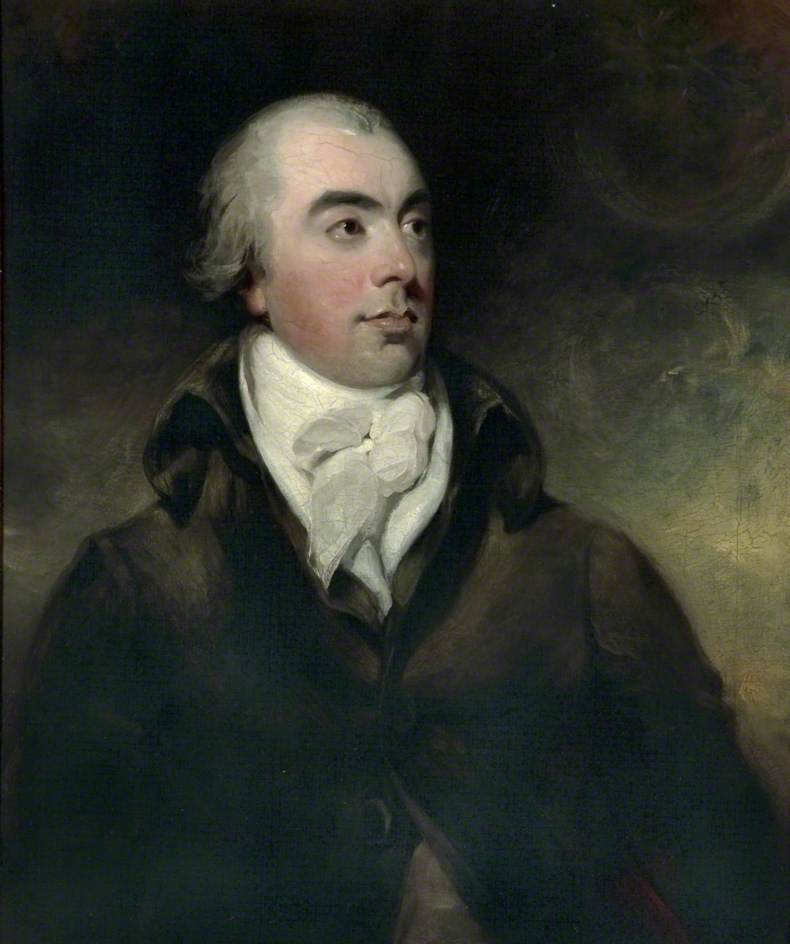
A Portrait of Quiet Authority: John Bradburne by Sir Thomas Lawrence
Sir Thomas Lawrence’s “John Bradburne,” painted in 1800, is more than just a likeness; it's a carefully constructed embodiment of Regency-era dignity and restrained power. This portrait, measuring 76 x 64 cm, offers a captivating glimpse into the social landscape of early 19th century Britain, showcasing the artist’s mastery of capturing both physical appearance and inner character within the Romantic style burgeoning at the time. The painting immediately draws the viewer in with its muted palette – browns, whites, and grays – creating an atmosphere of quiet contemplation and understated elegance. Lawrence's skill lies not merely in replicating a face, but in imbuing it with a sense of composure and self-assurance that speaks volumes about the subject’s status.
Technique and Style: The Brushstrokes of a Master
Lawrence’s technique is characterized by a remarkable blending of colors and the use of loose, yet controlled, brushstrokes. This approach, typical of his era, avoids harsh lines, instead favoring a smooth, flowing quality that lends itself to an almost porcelain-like texture in Bradburne's skin. The artist skillfully employs light – diffused and seemingly emanating from an unseen source – to accentuate key features: the cheekbones, nose, and forehead, creating a three-dimensional effect that transcends a simple representation. Notice how the draped cloth or shawl isn’t merely a backdrop; it’s integrated into the composition, adding depth and subtly suggesting wealth and refinement. The painting exemplifies the Romantic style's emphasis on capturing emotion and atmosphere alongside accurate depiction.
Symbolism and Context: A Man of His Time
Bradburne’s attire – a tailored suit with a white shirt and tie, complemented by a dark coat – immediately places him within the context of late 18th/early 19th century British society. The pose itself is deliberately formal, reflecting the conventions of portraiture at the time, where status was visually communicated through clothing and bearing. The direct gaze, a hallmark of Lawrence’s portraits, conveys confidence and composure, suggesting not just dignity but also an awareness of his position. This painting offers a window into a world of social hierarchy and carefully cultivated appearances – a world increasingly shaped by the burgeoning influence of the British aristocracy.
Emotional Impact and Legacy
"John Bradburne" possesses a quiet emotional resonance that continues to captivate viewers today. It’s not an overtly dramatic portrait; rather, it exudes a sense of understated authority and refined taste. The painting's enduring appeal lies in its ability to evoke a feeling of timeless elegance and the dignity associated with a man who commanded respect. Sir Thomas Lawrence’s meticulous attention to detail and his masterful use of light and shadow ensure that this portrait remains a significant example of Romantic-era portraiture, offering a valuable insight into both the artistic sensibilities of the time and the social customs of Regency Britain.