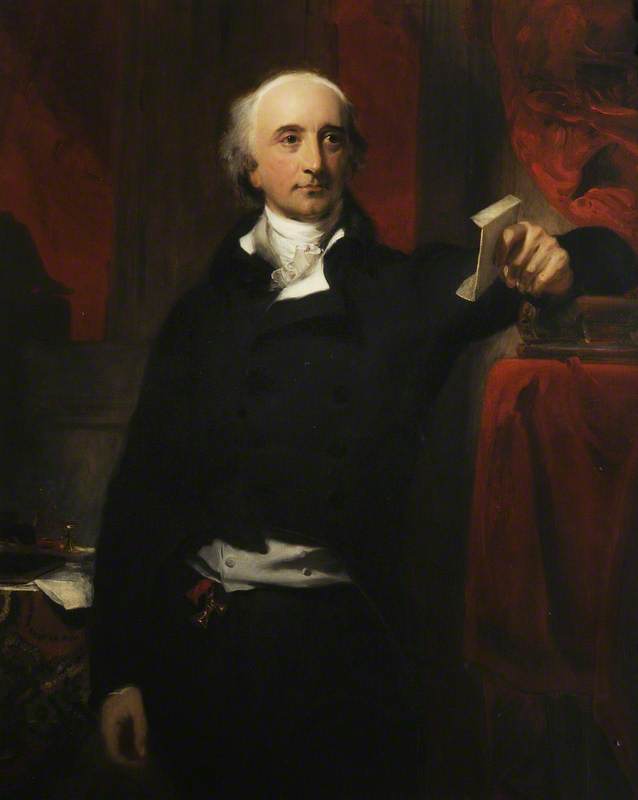
Sir Thomas Lawrence’s 1803 portrait of William Windham embodies Regency power through meticulous Beaux Arts style and a luminous depiction of the influential British politician. Discover this stunning artwork and own a piece of history.
Sir Thomas Lawrence: A Regency master of portraiture, capturing the elegance and charm of British aristocracy with his distinctive style and virtuoso technique.
Explore University College, Oxford – one of the oldest colleges at the world-renowned university! Discover its rich history, stunning architecture, and notable alumni like Attlee & Hawking. A captivating glimpse into academic life.
A Portrait of Power and Patronage: Sir Thomas Lawrence’s William Windham
Sir Thomas Lawrence's portrait of William Windham stands as a quintessential emblem of the Regency era, encapsulating not merely likeness but also ambition, intellect, and the pervasive influence of aristocratic patronage. Completed in 1803, this canvas transcends mere representation; it is an astute distillation of Windham’s character and social standing within the political landscape of Britain at the time. Lawrence's masterful technique—characterized by meticulous detail and a luminous palette—elevates the portrait beyond a simple likeness into a compelling visual narrative.
Style and Technique: The Beaux Arts Ideal
Lawrence adhered rigorously to the Beaux Arts style, which dominated British art during his prolific career. This aesthetic prioritized clarity of form, balanced composition, and idealized beauty, reflecting Enlightenment ideals of rationality and order. The artist employed oil paints on canvas with a glazing technique—a layering process that builds up color gradually, resulting in rich tonal variations and an ethereal glow. Careful attention was paid to capturing the subtle nuances of light and shadow, creating a palpable sense of depth and realism despite the idealized portrayal of Windham’s features. The drapery folds are rendered with painstaking accuracy, demonstrating Lawrence's exceptional skill in conveying texture and volume.
Historical Context: Serving Britain’s Interests
William Windham (1750–1810) was a prominent figure in British politics during the Napoleonic Wars, serving as MP, Lord Lieutenant of Ireland, and Secretary for War successively. His role was crucial in bolstering national defense and shaping governmental policy—a testament to his dedication and intellect. Lawrence’s commission reflects the importance placed on securing influential individuals within the aristocracy to bolster Britain's reputation and influence abroad. Portraits like Windham’s were commissioned by wealthy patrons eager to commemorate their status and solidify their legacy, demonstrating the social dynamics of the era.
Symbolism: Dignity and Reflection
The pose of Windham—seated formally with a book in his hand—is laden with symbolic significance. The seated posture conveys dignity and composure, reflecting Windham’s position as a respected statesman. Holding the book symbolizes erudition and intellectual pursuits – qualities highly valued during the Enlightenment. Furthermore, the gaze directed towards the viewer establishes an intimate connection between subject and artist, inviting contemplation on Windham's inner life and conveying a sense of confidence and self-assuredness. The inclusion of the red curtains serves as a subtle visual cue, referencing royal grandeur and reinforcing Windham’s association with power and authority.
Emotional Impact: Capturing Essence
Lawrence skillfully captures Windham’s essence—a man of intellect, conviction, and unwavering dedication to duty—transforming him into an enduring symbol of Regency virtue. The portrait's luminous quality imbues the subject with warmth and vitality, conveying a sense of inner strength and resilience. It is more than just a depiction; it’s an invitation to consider Windham’s character and legacy, prompting viewers to appreciate the artist’s ability to convey profound psychological insight through visual artistry. The overall impression is one of quiet contemplation—a testament to Lawrence's mastery in capturing not only appearance but also spirit.