A Portrait of Courage: Examining William Beechey’s St Vincent
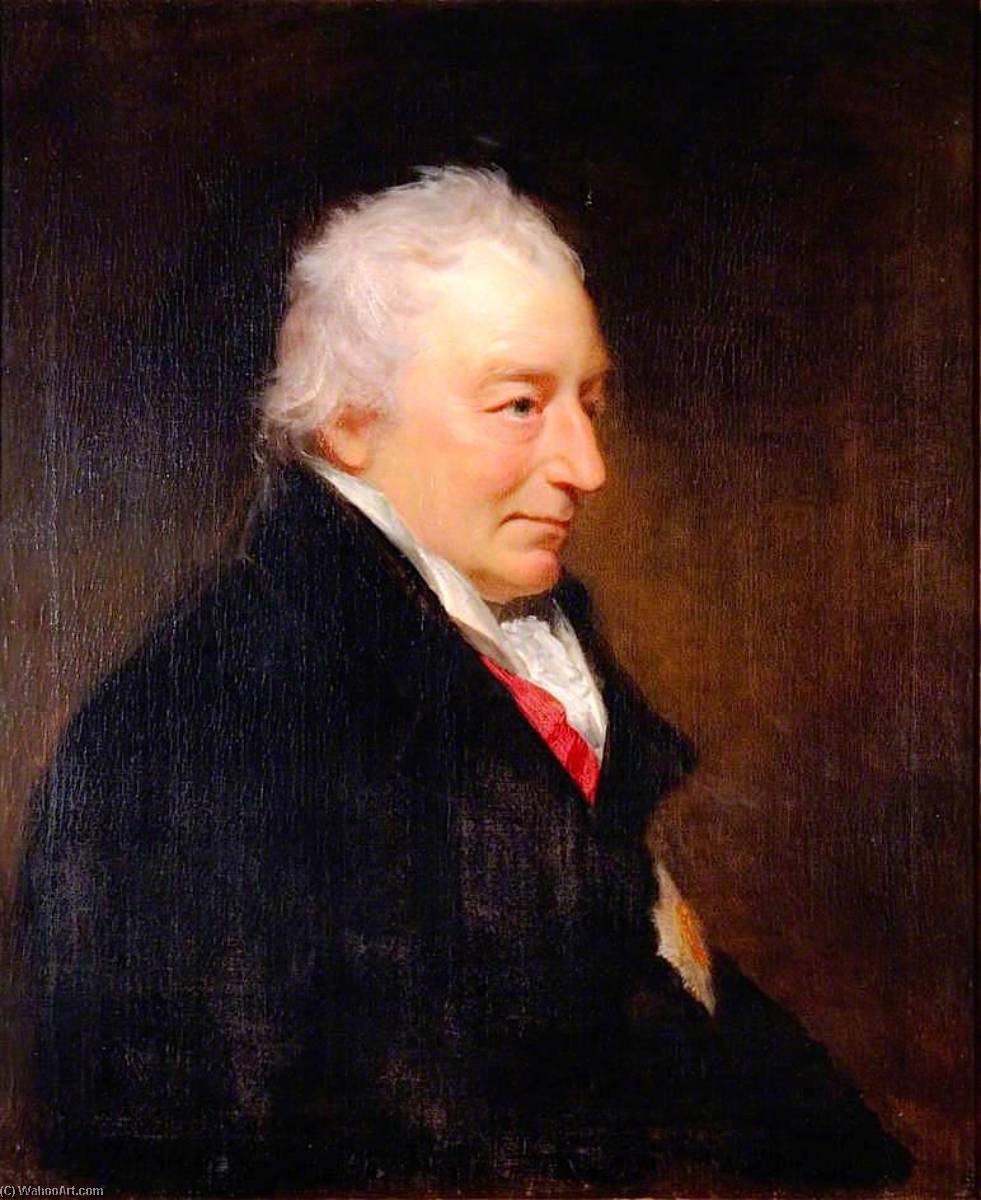
The canvas holds an arresting gaze – John Jervis, 1st Earl of St Vincent, rendered in meticulous detail by Sir William Beechey in 1807. This portrait transcends mere likeness; it embodies the spirit of naval leadership and reflects the artistic sensibilities of its time, offering a fascinating glimpse into British history and artistic achievement. Examining Beechey’s masterful execution reveals layers of significance beyond the surface appearance.
- Subject Matter & Historical Context: St Vincent commanded HMS Rodney and HMS Collingwood during the Napoleonic Wars, achieving decisive victories against French naval forces at Trafalgar in 1805 – a triumph that secured Britain's dominance on the seas and fundamentally reshaped European geopolitics. Beechey’s decision to commemorate this pivotal moment speaks volumes about the importance placed upon military prowess within Victorian society.
- Style & Technique: Beechey adhered to the prevailing neoclassical style, prioritizing clarity of form and idealized representation. The portrait utilizes a three-quarter view, presenting St Vincent with dignified composure—a characteristic pose reflecting the aristocratic ethos of the era. Beechey’s technique is characterized by smooth brushwork and careful blending of colors, creating an illusionistic depth that captures the subtleties of light and shadow.
- Composition & Symbolism: The central figure dominates the canvas, framed against a muted background that serves to accentuate his presence. Lines delineate facial contours and clothing folds, establishing solidity and form—elements consistent with neoclassical principles. Subtle atmospheric perspective lends depth to the scene, hinting at the grandeur of St Vincent’s accomplishments.
- Color Palette & Lighting: Beechey employs a restrained color palette dominated by earthy tones – browns, creams, and ochres – reflecting the seriousness of subject matter. The upper left serves as the primary source of illumination, casting shadows across St Vincent's face and highlighting strands of hair—a deliberate artistic choice that conveys both realism and emotional resonance.
- Emotional Impact & Artistic Legacy: Beyond its factual accuracy, Beechey’s portrait communicates a profound sense of dignity and fortitude. The artist skillfully captures St Vincent’s gaze – direct yet contemplative – conveying an inner strength that transcends the confines of the canvas. This enduring image exemplifies the neoclassical ideal of portraying human subjects with grace and intelligence—a testament to Beechey's artistic skill and his contribution to British portraiture.
The resulting artwork is more than just a depiction; it’s an embodiment of Victorian values – honor, duty, and unwavering resolve. A reproduction captures not only the visual splendor but also the intellectual depth that distinguishes Beechey’s masterpiece from lesser works of art. It stands as a timeless reminder of courage, leadership, and the enduring power of artistic expression.