A Glimpse Through the Looking Glass: The Soul of Sir William Beechey
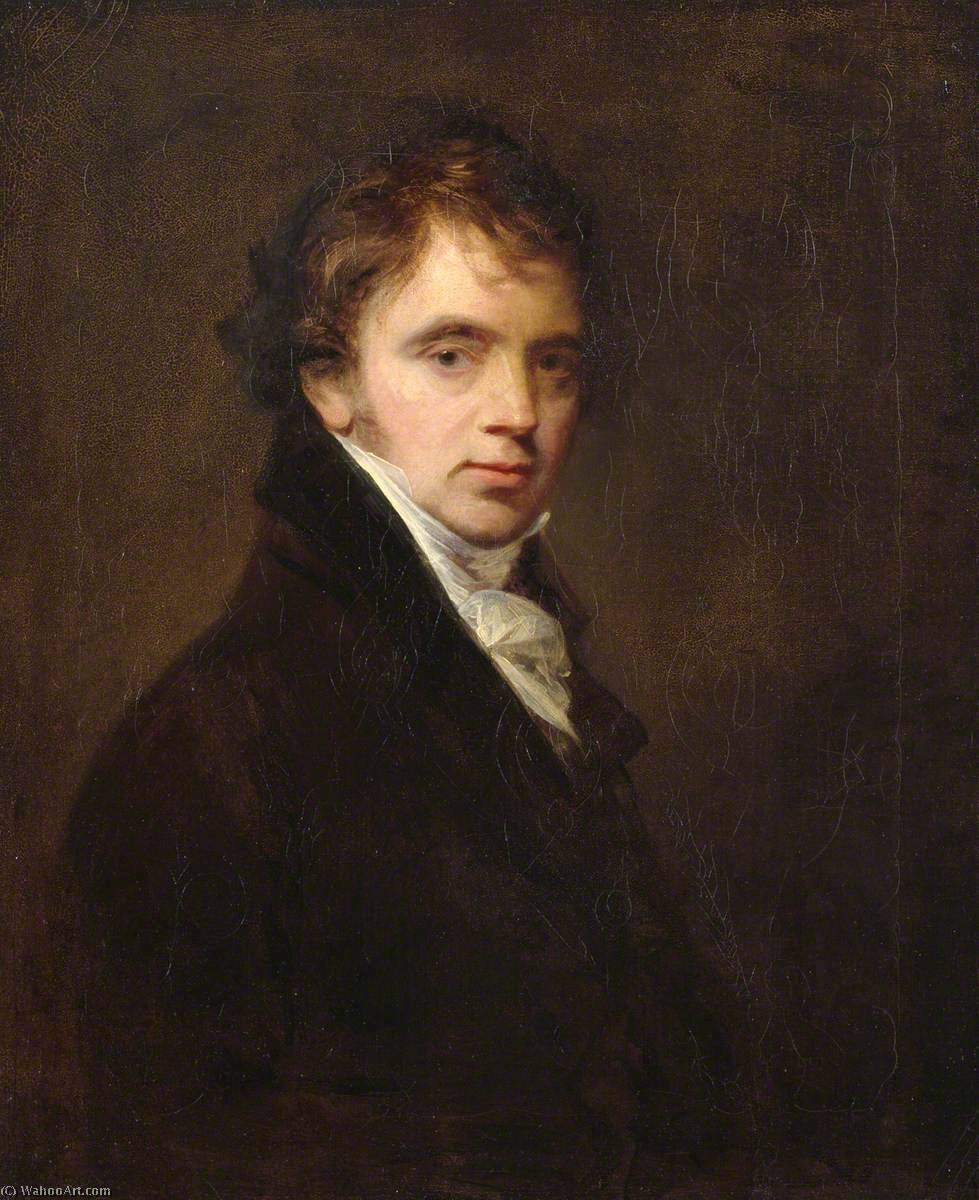
In the quiet intimacy of Self Portrait, painted in 1793, we are invited into a profound moment of introspection. This work serves as more than just a likeness; it is a window into the psyche of Sir William Beechye, one of the most distinguished British portraitists of the Georgian era. As the artist gazes directly at the viewer, there is an undeniable sense of connection, a silent dialogue between the creator and the observer that transcends the centuries. The subject, presented in the dignified attire of the late 18th century, wears a meticulously rendered suit, white shirt, and tie, topped with a wig that speaks to the formal elegance of his age. Every brushstroke seems designed to capture not just the physical presence of the man, but the quiet confidence and intellectual depth of an artist at the height of his observational powers.
The technique employed in this masterpiece reflects the refined neoclassical sensibilities that defined Beechey’s career. The painting is characterized by a remarkable precision, where the textures of fabric, the subtle sheen of silk, and the delicate details of facial features are rendered with masterful control. There is a soft, luminous quality to the skin tones, achieved through careful layering that gives the portrait a lifelike, breathing vitality. This level of detail does not merely serve a decorative purpose; it anchors the subject in reality, making his presence feel immediate and tangible. For the collector or interior designer, such technical excellence ensures that the piece commands attention, acting as a sophisticated focal point that brings a sense of historical weight and academic rigor to any curated space.
Beyond the surface beauty lies a deeper historical resonance. Created during a period of immense political and social transformation in Great Britain, this self-portrait embodies the stability and grace sought by the aristocracy of the time. Beechey, who rose from an orphaned youth in Oxfordshire to become a favored painter of royalty, uses this work to assert his own place within the grand tradition of European portraiture. The subtle symbolism of his attire—the formal wig and structured clothing—functions as a testament to his social standing and professional success. To possess a reproduction of this work is to hold a fragment of the Enlightenment, capturing an era where art, identity, and status were intricately woven together in a pursuit of eternal elegance.
For those looking to infuse their homes or galleries with a sense of timelessness, this portrait offers an unparalleled emotional impact. It evokes a mood of contemplative stillness, making it an ideal addition to libraries, study halls, or classic living spaces where conversation and reflection are encouraged. The painting does not shout; rather, it whispers stories of heritage, craftsmanship, and the enduring human spirit. It is an investment in atmosphere, providing a touch of 18th-century grandeur that remains as captivating today as it was when Beechey first set brush to canvas.